Indian desserts: Sweet treats from traditional sweets to modern favorites
When you think of Indian desserts, a vibrant array of sweet dishes rooted in centuries of tradition, often made with milk, sugar, nuts, and spices like cardamom and saffron. Also known as mithai, these treats aren’t just after-meal snacks—they’re part of celebrations, rituals, and daily comfort. Unlike Western cakes or cookies, Indian desserts often rely on slow-cooked milk solids, fried dough soaked in syrup, or spun sugar shaped by hand. You won’t find artificial flavors here—just real ingredients passed down through generations.
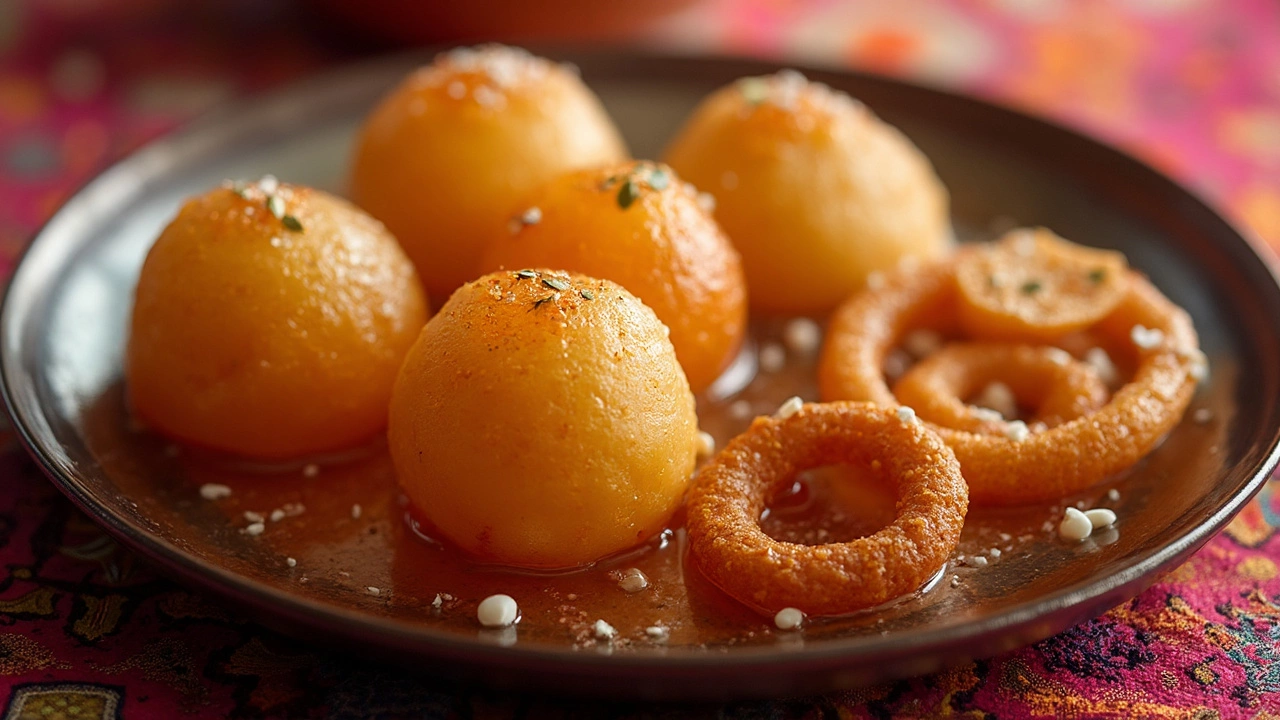
One of the most surprising examples is pashmak, a delicate, hand-spun sugar treat similar to cotton candy but made without machines or dyes, often flavored with cardamom or rosewater. It’s not just candy—it’s a craft, served at weddings and festivals. Then there’s kheer, a creamy rice pudding made with slow-simmered milk, cardamom, and nuts, often cooked for hours until it thickens naturally. And let’s not forget gulab jamun, soft fried dough balls soaked in sugar syrup, so popular they’ve become a staple in Indian restaurants worldwide.
What ties all these together isn’t just sweetness—it’s texture, timing, and technique. Many Indian desserts require patience: milk must be reduced slowly, dough needs to rest, syrup has to reach the right consistency. Store-bought versions often skip these steps, which is why homemade ones taste so different. Even something as simple as paneer can become a dessert—fried, soaked in syrup, and topped with nuts. It’s not just about sugar; it’s about how you use what you have.
You’ll find these desserts in every corner of India, but each region has its own twist. In the north, you’ll get rich, ghee-laden sweets. In the south, coconut and jaggery take center stage. And in the east, milk-based puddings rule. The collection below brings you real stories behind these treats—not just recipes, but why they matter, how they’re made, and what makes them stand out. Whether you’re curious about the science behind pashmak or want to know if you can make dessert from leftover milk, you’ll find answers here—no fluff, no guesswork, just clear, practical insights from real kitchens.