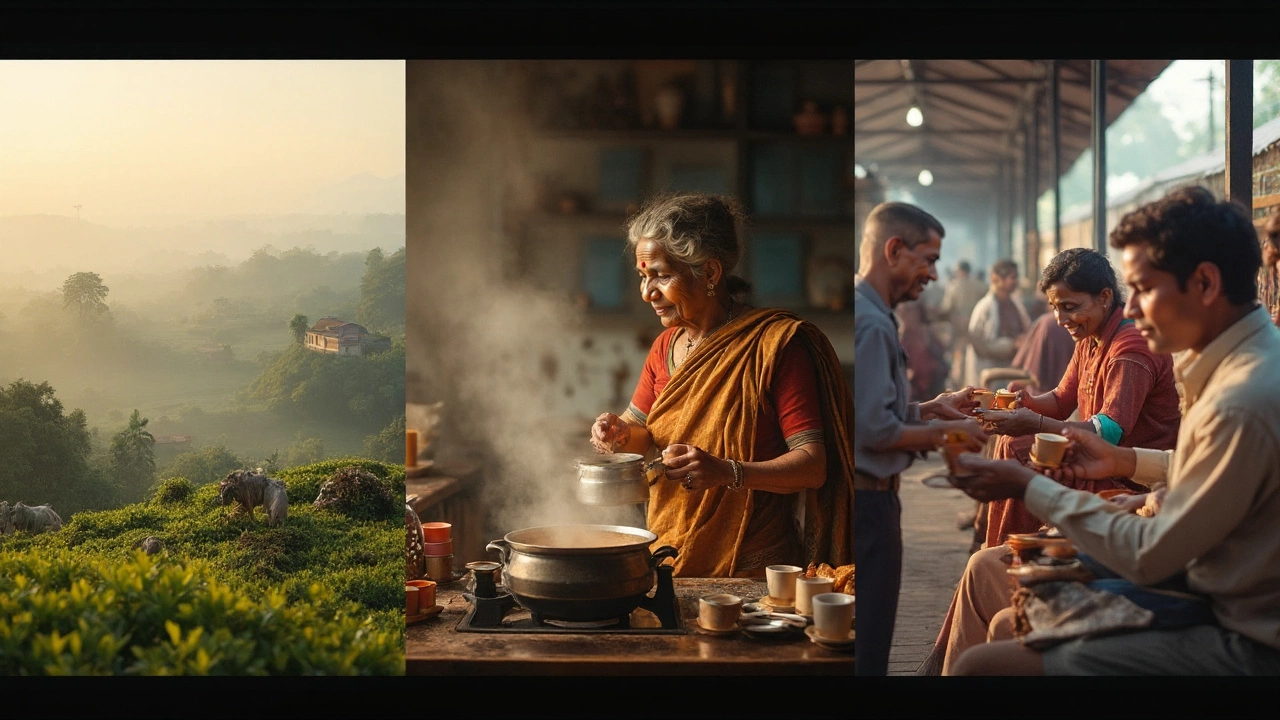
Indian Milk Tea: The Spiced Drink That Powers Daily Life in India
When you think of Indian milk tea, a rich, spiced beverage made with black tea, milk, sugar, and aromatic spices like cardamom, cinnamon, and ginger. Also known as masala chai, it’s the daily fuel for millions across India—sold on street corners, sipped in homes, and served in offices with the same quiet reverence as morning prayer. This isn’t just tea with milk. It’s a blend of culture, chemistry, and comfort. The way it’s brewed—simmered, not steeped—makes all the difference. Boiling the tea leaves with spices and milk extracts deeper flavor and releases the oils from cardamom and cloves that you’d never get from a teabag in hot water.
What sets masala chai, the traditional Indian version of spiced milk tea, often made with loose black tea and whole spices apart from Western tea is the heat. Indian households don’t pour boiling water over leaves. They boil everything together: tea, milk, water, sugar, and spices. This method turns the drink into a thick, fragrant elixir that warms you from the inside. And the spices? They’re not just for taste. Ginger aids digestion, cardamom soothes the stomach, and cinnamon helps balance blood sugar. That’s why people drink it after meals, not just in the morning.
It’s also not one-size-fits-all. In Mumbai, it’s strong and sweet. In Delhi, they use less milk. In South India, some add a pinch of pepper. Even the type of tea matters—Assam leaves give it body, while Ceylon adds brightness. You’ll find it made with cow’s milk, buffalo milk, or even plant-based alternatives now. But the core stays the same: tea, milk, spice, heat. It’s the kind of drink that doesn’t need a fancy name or a five-star review. You know it’s good when your hands warm up before your first sip.
Behind every cup of Indian milk tea, a daily ritual in Indian households, often prepared with loose black tea, milk, sugar, and whole spices like cardamom and ginger is a story. Maybe it’s your grandmother’s recipe passed down through generations. Or the chaiwallah who knows exactly how long to boil it for the perfect foam. Or the time you drank it after a long day and felt like everything was okay again. That’s the power of this drink. It’s not about perfection. It’s about presence.
Below, you’ll find real, practical posts that break down how to make it right, what spices work best, how to fix common mistakes, and even how it compares to other tea traditions around the world. No fluff. No theory. Just the kind of advice you’d get from someone who’s been making it for 30 years.