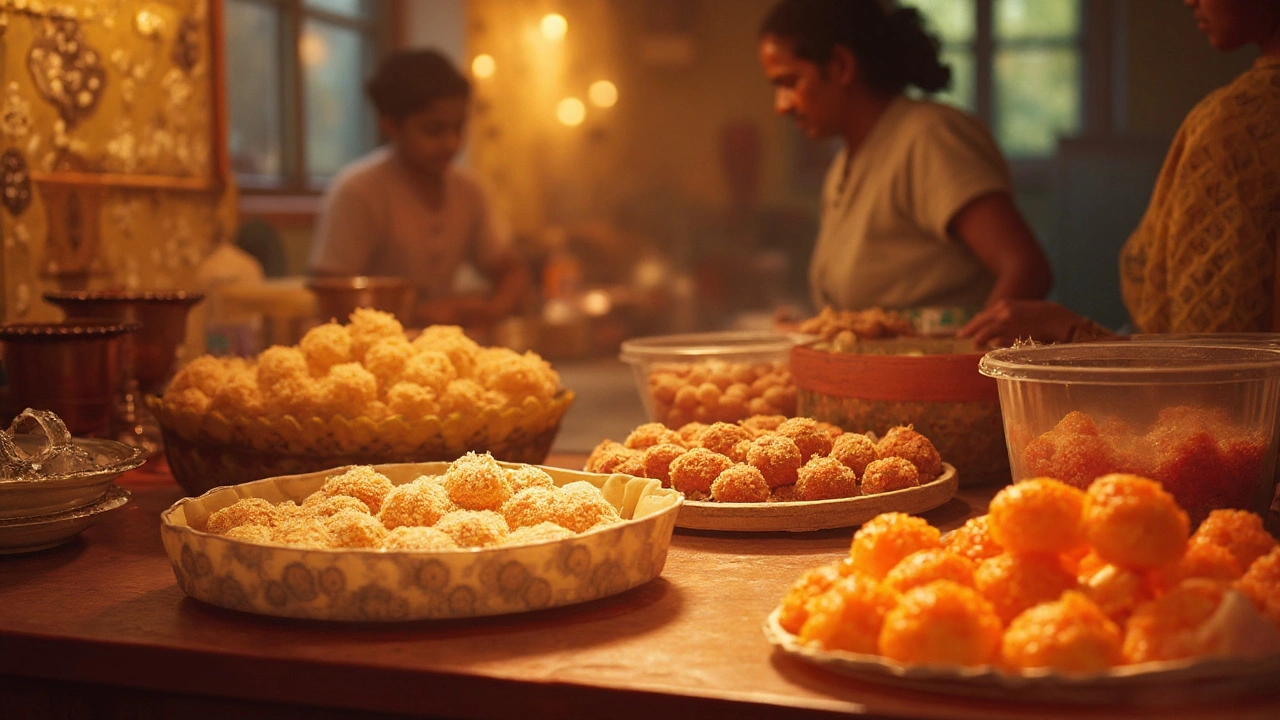
Indian Sweet Storage Tips: Keep Sweets Fresh Longer Without Spoilage
When you make Indian sweets, traditional desserts like laddoos, barfi, and pashmak made with sugar, ghee, and natural flavors. Also known as mithai, these treats are central to celebrations, gifts, and daily indulgences. But if you don’t store them right, they dry out, get sticky, or worse—go bad. The good news? You don’t need fancy containers or refrigerators. Just a few smart moves based on the type of sweet can keep them fresh for days, even weeks.
Take jaggery, a natural unrefined sugar used in many Indian sweets like gur ka laddoo or gur ki kheer. Also known as gur, it’s prone to moisture absorption. Store it in an airtight glass jar with a silica gel packet or a dry piece of bread to soak up humidity. Never use plastic bags—they trap moisture and make jaggery sticky and moldy. For sweets made with paneer, a fresh Indian cheese used in rasgulla, rasmalai, and other milk-based desserts. Also known as Indian cottage cheese, it spoils quickly if not handled right, refrigeration is non-negotiable. Keep paneer-based sweets in a sealed container with a paper towel underneath to absorb excess moisture. They last 3–4 days max. If you need more time, freeze them—thaw slowly in the fridge before serving.
Pashmak, the delicate, hand-spun Indian candy floss made from sugar and cardamom. Also known as Indian cotton candy, it’s airy and fragile—one humid day and it turns into a sticky mess. Store it in a dry, cool place, never in the fridge. A tin box with a tight lid works best. Keep it away from strong smells too; pashmak absorbs odors like a sponge. For oil-heavy sweets like gulab jamun or burfi, use parchment paper between layers to prevent sticking. And never stack them without separation—pressure crushes the texture.
Temperature matters more than you think. Room temperature is fine for dry sweets like chikki or khaja if your kitchen stays cool and dry. But if it’s hot or humid, even those can sweat or attract bugs. Refrigeration isn’t always the answer—it can make some sweets hard or change their texture. The trick? Know your sweet. If it’s made with milk, sugar, and fat, treat it like dairy. If it’s mostly dry sugar and nuts, treat it like a cookie. And always label your containers with the date. That way, you never guess if that leftover barfi is still good or not.
What you’ll find below are real, tested ways to store the most common Indian sweets people make at home. No fluff. No guesswork. Just clear, simple tips based on what actually works—and what doesn’t. From how to keep jaggery from turning into a glue pot to why freezing rasgulla is better than leaving it out, these posts give you the facts you need to stop wasting food and start enjoying your sweets the way they’re meant to be enjoyed.