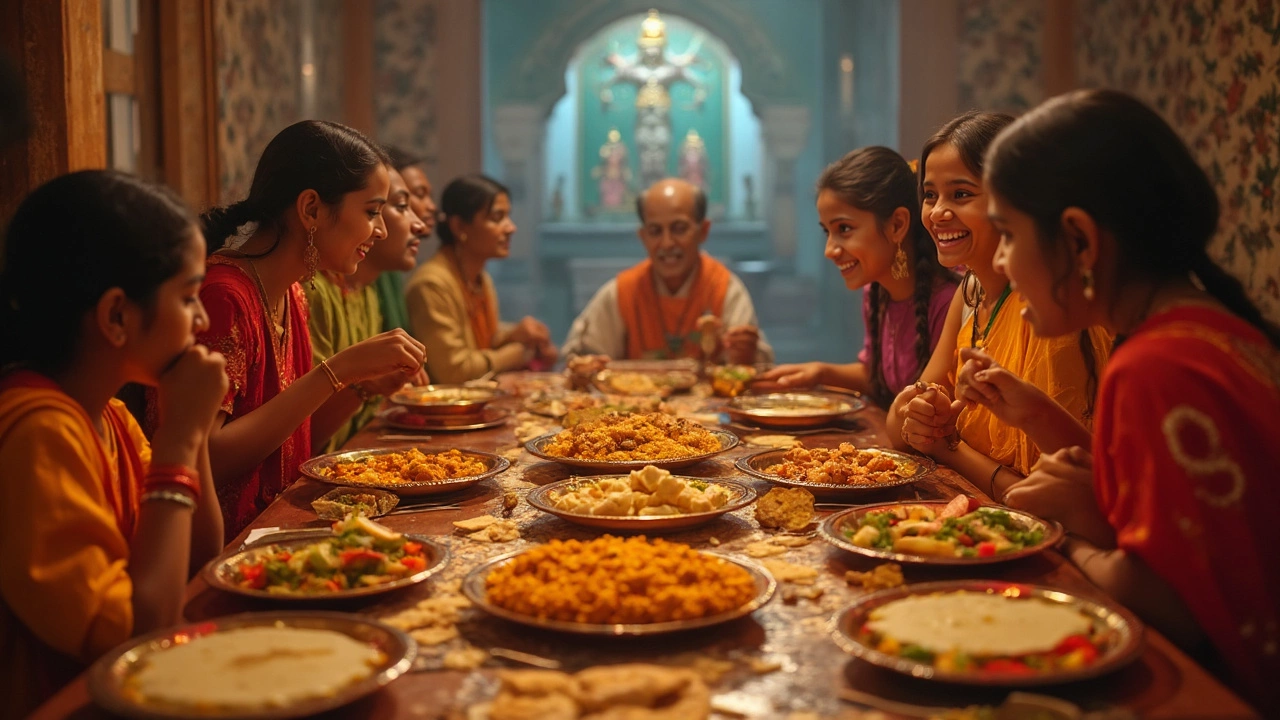
Indian Vegetarians: Simple Meals, Big Flavor
For millions of Indian vegetarians, people who follow a plant-based diet rooted in cultural, religious, or health traditions across India. Also known as vegetarian households in South Asia, they rely on a system of cooking that’s been fine-tuned for thousands of years—no meat, no problem. This isn’t about skipping protein—it’s about getting it smarter. Lentils like dal, a category of dried, split legumes used daily in Indian kitchens as the main source of plant-based protein, and paneer, a fresh, non-melting cottage cheese made by curdling milk with lemon or vinegar, central to countless vegetarian curries and snacks are the backbone of the diet. You won’t find a single household where these aren’t on the table at least once a day.
What makes Indian vegetarian eating so powerful isn’t just what’s included—it’s how it’s combined. A bowl of dal isn’t just lentils boiled in water. It’s tempered with cumin, mustard seeds, garlic, and dried red chilies. Paneer doesn’t just sit in a curry—it’s grilled, fried, or tossed with tomatoes and spices to create dishes like paneer tikka masala that rival any meat-based meal in richness. Even simple breakfasts like poha or idli pack in flavor and energy without a single animal product. And yes, you can make paneer at home with just milk and lemon juice—no fancy equipment needed. Store-bought versions often turn out hard because they’re pressed too long or stored too long. Fresh is always better, and it’s easier to make than you think.
Indian vegetarians don’t just eat for taste—they eat for digestion. That’s why soaking dal before cooking matters, why chutneys made with fresh coriander or tamarind help your gut, and why eating lentils at night isn’t always a good idea. The tradition isn’t random—it’s built on centuries of observation. You’ll find recipes here that explain exactly how to avoid bloating, how to get creamy dal without overcooking, and how to make dosa batter that’s crisp and light without waiting days for fermentation. There’s no need for expensive supplements or exotic superfoods. The health is already in the pantry: moong dal for easy digestion, chana dal for fiber, jaggery instead of white sugar in sweets. This collection doesn’t just give you recipes—it gives you the why behind them. Whether you’re new to Indian food or have been cooking it for years, you’ll find practical fixes, clear science, and real solutions to everyday problems like hard paneer, gassy dal, or bland curries. What you’ll see below isn’t a list of dishes—it’s a guide to eating well, the Indian way.