Instant Dosa: Quick Recipes, Best Rice, and Easy Tips for Crispy Dosa Every Time
When you need a crispy, fluffy instant dosa, a fast, fermented rice-lentil batter-based South Indian crepe that’s ready in minutes without overnight soaking. Also known as quick dosa, it’s the go-to breakfast for busy mornings when you still want something authentic and satisfying. Unlike traditional dosa that needs 8–12 hours of fermentation, instant dosa uses pre-soaked or ready-to-mix powders, or shortcuts like yogurt and baking soda to mimic that tangy, airy texture—without waiting.
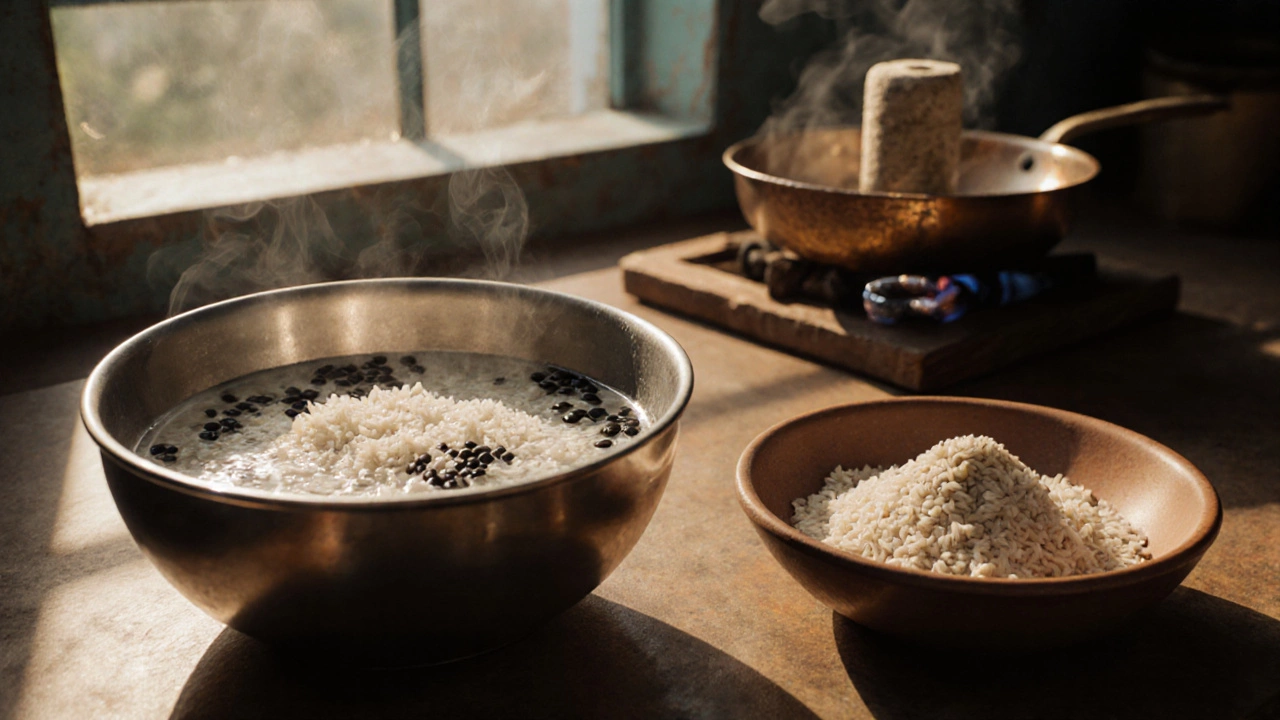
The secret to a good instant dosa isn’t just speed—it’s the rice, the base grain that gives dosa its crispness and structure. Also known as dosa rice, it’s shorter and starchier than regular rice, and it’s what makes the batter hold together without turning gummy. If you skip the right kind, your dosa will tear, stick, or stay soft. Most recipes fail because people use regular white rice or even idli rice, which doesn’t crisp up the same way. You don’t need to hunt down specialty stores—many Indian grocery sections carry dosa rice blends labeled for quick batter. And if you’re out? A mix of parboiled rice and a little urad dal can work in a pinch.
Then there’s the dosa batter, the mixture of rice and lentils that ferments or reacts chemically to create lift and texture. Also known as dosa mix, it’s not just about blending—it’s about balance. Too much water? Your dosa turns into a soggy pancake. Too little? It cracks and won’t spread. Most instant recipes fix this with yogurt or baking soda to mimic fermentation, but the real trick is letting the batter rest for just 30 minutes after mixing. That’s enough time for the starches to hydrate and the leavening agents to activate. And if your batter is too thick? Add water, one tablespoon at a time. If it’s too thin? Add a spoon of rice flour. No guesswork.
And let’s talk about the pan. A cast iron tawa is ideal, but even a nonstick skillet works if it’s properly heated. The mistake most people make? Pouring the batter too soon. Wait until the pan is hot enough that a drop of water sizzles and evaporates instantly. Then pour, spread fast, and drizzle oil around the edges. That’s how you get that golden, lacy crispness. No oil? Your dosa sticks. Too much oil? It fries instead of cooks.
What you’ll find in the posts below aren’t just recipes—they’re fixes. Real ones. Like why store-bought instant dosa mix often fails, how to salvage a failed batter with a pinch of salt and a little patience, and which rice brands actually work outside India. You’ll also see how to make dosa without urad dal, how to turn leftover dosa into a snack, and why your dosa tastes flat even when you follow the steps. These aren’t theory posts. They’re kitchen-tested, mistake-proofed, and built for people who need flavor without the wait.