Junk Food: What It Really Is and How Indian Homes Are Fighting Back
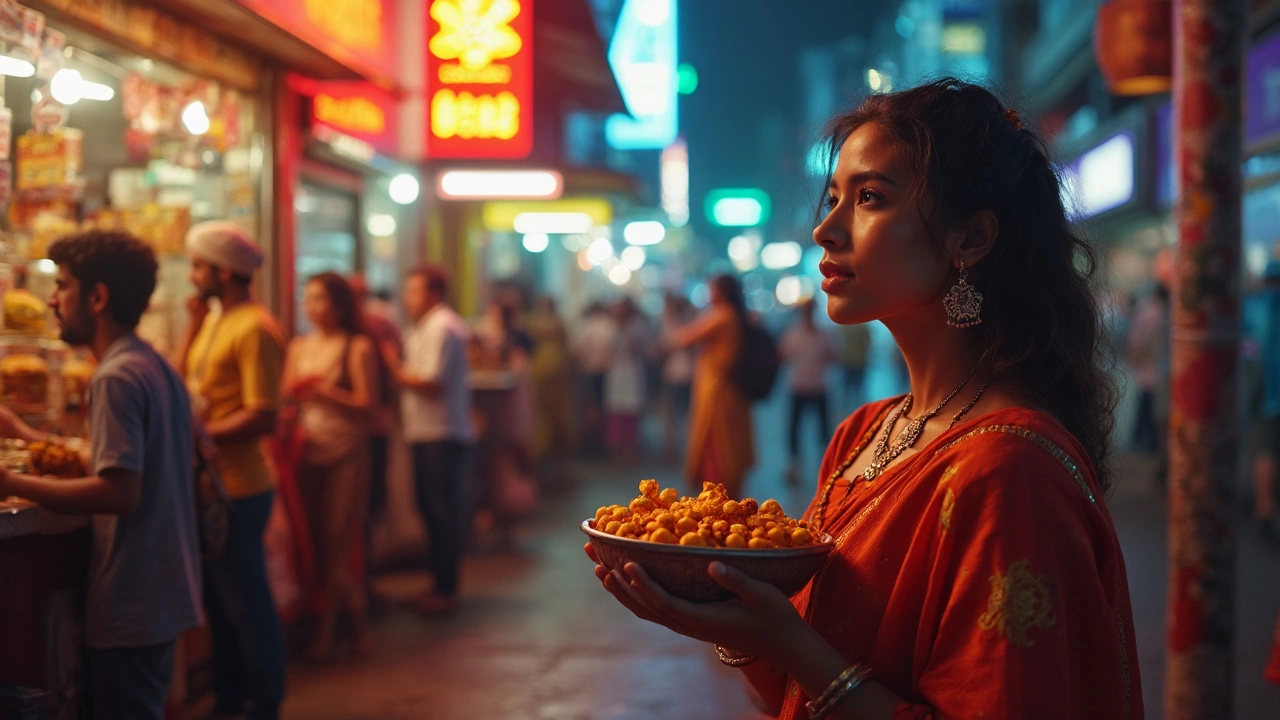
When we talk about junk food, cheap, highly processed snacks loaded with sugar, salt, and unhealthy fats that offer little to no nutrition. Also known as fast food or processed food, it’s the kind of thing that fills vending machines, corner stores, and sometimes even our pantries—quick, cheap, and hard to resist. But here’s the thing: in India, junk food isn’t just pizza rolls or chips. It’s the masala puff, the fried samosa from the street cart, the packaged namkeen with hidden trans fats, and the sugary cold drinks sold as "energy boosters." These aren’t occasional treats—they’ve become daily habits, especially for kids and busy adults who think they’re saving time.
What makes junk food dangerous isn’t just the calories—it’s the way it tricks your body. High fructose corn syrup in packaged drinks spikes blood sugar fast, then crashes it, leaving you hungrier than before. Salt hides in masala mixes and instant noodles, raising blood pressure over time. And those fried snacks? They’re often cooked in oil reused dozens of times, creating harmful compounds your liver struggles to clear. Studies from the Indian Council of Medical Research show that over 40% of urban Indian children consume junk food daily, and that’s linked to rising cases of childhood diabetes and fatty liver disease—conditions we used to think only affected older adults.
But here’s the good news: Indian kitchens have always had the tools to fight back. Think about it—your grandma didn’t use packaged snacks. She made poha in minutes, boiled moong dal with turmeric, or fried a few besan cheelas. These aren’t "healthy alternatives"—they’re real food, cooked fresh, full of fiber and protein, and naturally low in sugar. The same spices that make curry flavorful—cumin, coriander, turmeric—also help digestion and reduce inflammation. You don’t need fancy superfoods. You need to remember what your grandparents knew: real food doesn’t come in plastic bags with a 12-month shelf life.
Below, you’ll find real stories from Indian homes—how people swapped out packaged snacks for quick, tasty alternatives, how they learned to spot hidden sugar in "healthy" labels, and how simple changes in morning meals or evening snacks made a real difference in energy, digestion, and even mood. No gimmicks. No detoxes. Just practical, everyday swaps that work in a busy Indian household.