Kitchen Knife Skills: Essential Techniques for Indian Cooking
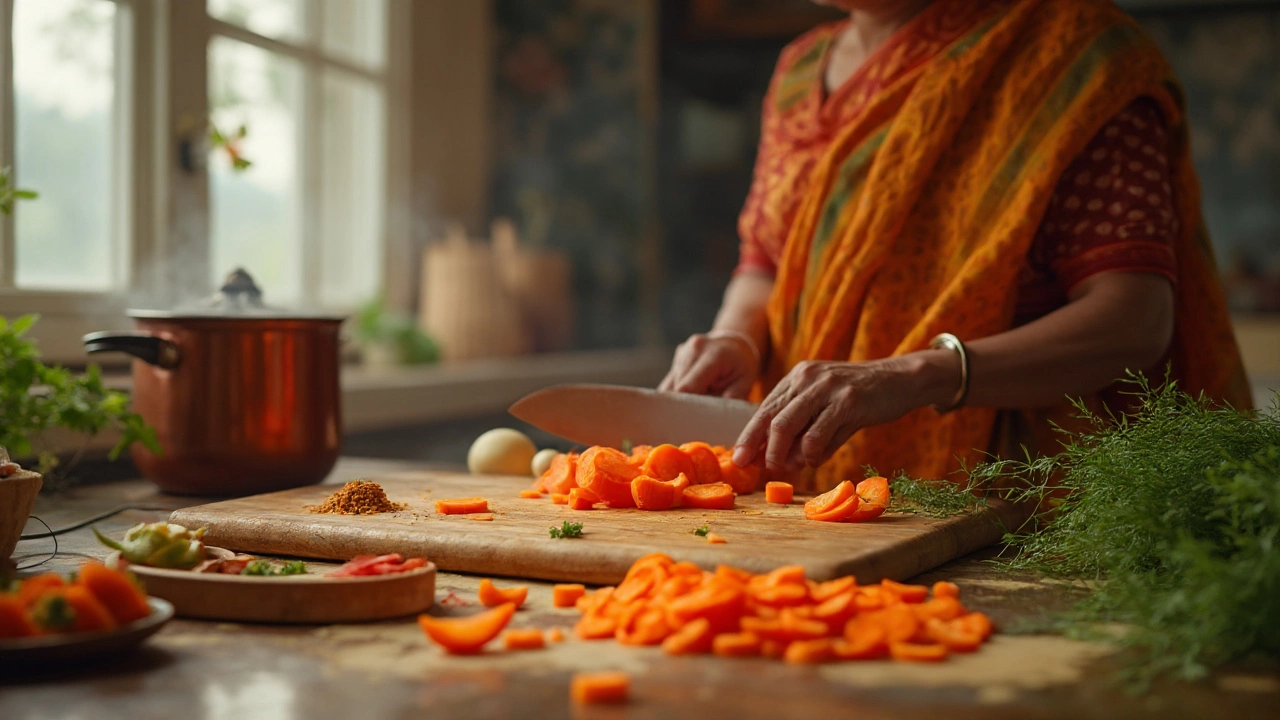
When you're making kitchen knife skills, the ability to safely and efficiently cut, chop, and mince ingredients with precision. Also known as culinary cutting techniques, it's the foundation of every great Indian meal—whether you're dicing onions for a curry, slicing ginger for chutney, or mincing garlic for tadka. You don’t need expensive knives. You need to know how to hold one, how to stabilize your food, and how to move your hand with control.
Good knife safety, the practice of handling blades to avoid injury while maximizing efficiency isn’t optional. A slip with a dull knife is far more dangerous than a sharp one. Most home cooks in India use the same knife for everything—from breaking open coconuts to finely chopping coriander. But that’s where things go wrong. A sharp chef’s knife, held with a pinch grip, lets you rock through tomatoes, cilantro, or green chilies without crushing them. And when you’re prepping for a big batch of dal or biryani, those seconds add up. If your knife is dull, you’re not just slow—you’re risking cuts, bruised veggies, and uneven cooking.
chopping techniques, specific methods like julienne, dice, mince, and chiffonade used to prepare ingredients for Indian dishes change how flavors release. A coarse chop on ginger gives a bold, spicy punch. A fine mince lets it melt into the oil and infuse the whole curry. The same goes for onions—sliced thin, they caramelize into sweetness. Chopped roughly, they stay crisp and add texture. In Indian cooking, where spice layers matter, your knife is your first spice grinder. And if you’ve ever wondered why your masalas taste flat, it’s not always the spices—it’s how you prepped them.
Knife sharpening is the quiet hero most people ignore. A knife that’s been sitting in a drawer for months won’t cut through a potato cleanly. You don’t need a professional sharpener. A ceramic rod or even a steel mug’s rim can restore edge. Do it once a week. It takes 30 seconds. Your wrists will thank you. And your food will taste better.
These aren’t fancy restaurant tricks. These are the small, daily habits that turn average cooks into confident ones. The posts below show you exactly how to handle knives when prepping for dal, chutney, biryani, paneer, and more. You’ll see how to chop onions without crying, how to slice ginger without shredding it, and why a good cut makes your curry taste deeper. No fluff. Just what works.