Making Dosa: Best Rice, Fermentation Tips, and Quick Alternatives
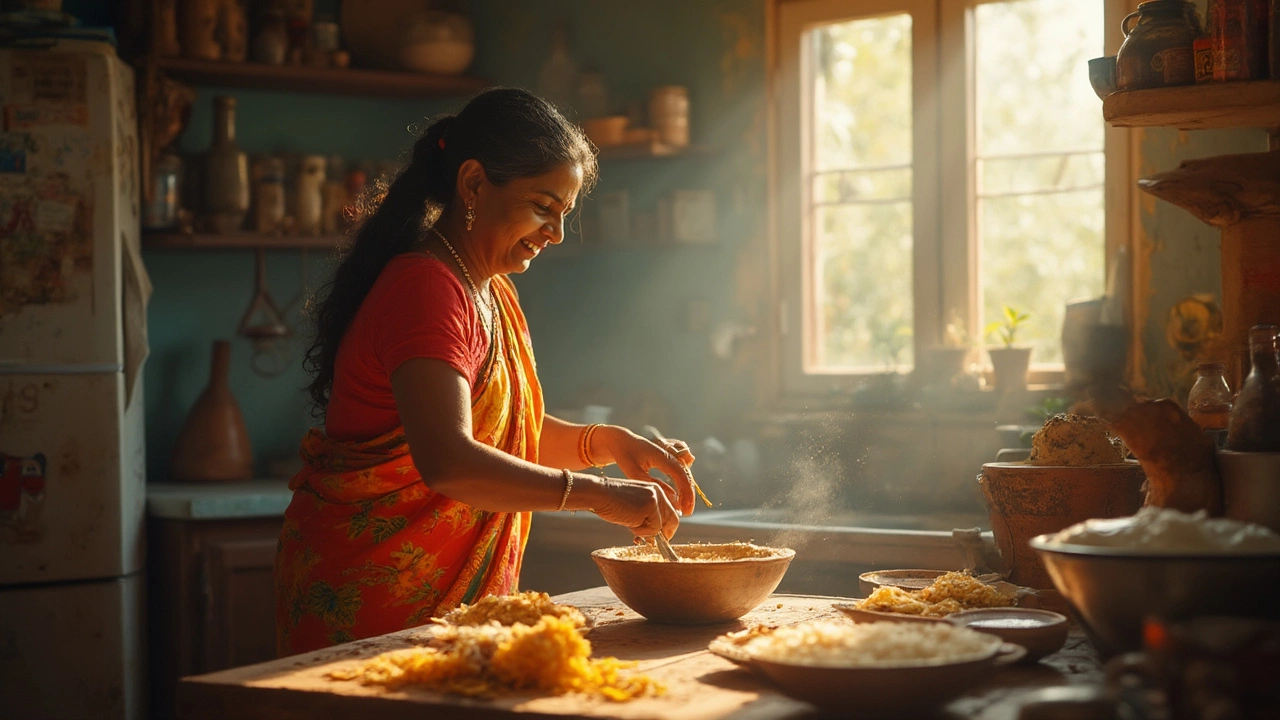
When you're making dosa, a thin, crispy fermented rice and lentil pancake from South India. Also known as dosai, it's more than just breakfast—it's a daily ritual for millions, built on simple ingredients but perfect technique. The secret isn’t in fancy spices or expensive tools. It’s in the batter. And the batter starts with the rice, specifically short-grain parboiled rice used in traditional South Indian kitchens. Also known as idli rice, it’s not the same as basmati or jasmine. Use the wrong kind, and your dosa won’t crisp up or puff right. You don’t need to import it—look for labels like "dosa rice" or "idli rice" at Indian grocery stores. If you can’t find it, a 3:1 ratio of regular white rice to urad dal works, but it’s not the same.
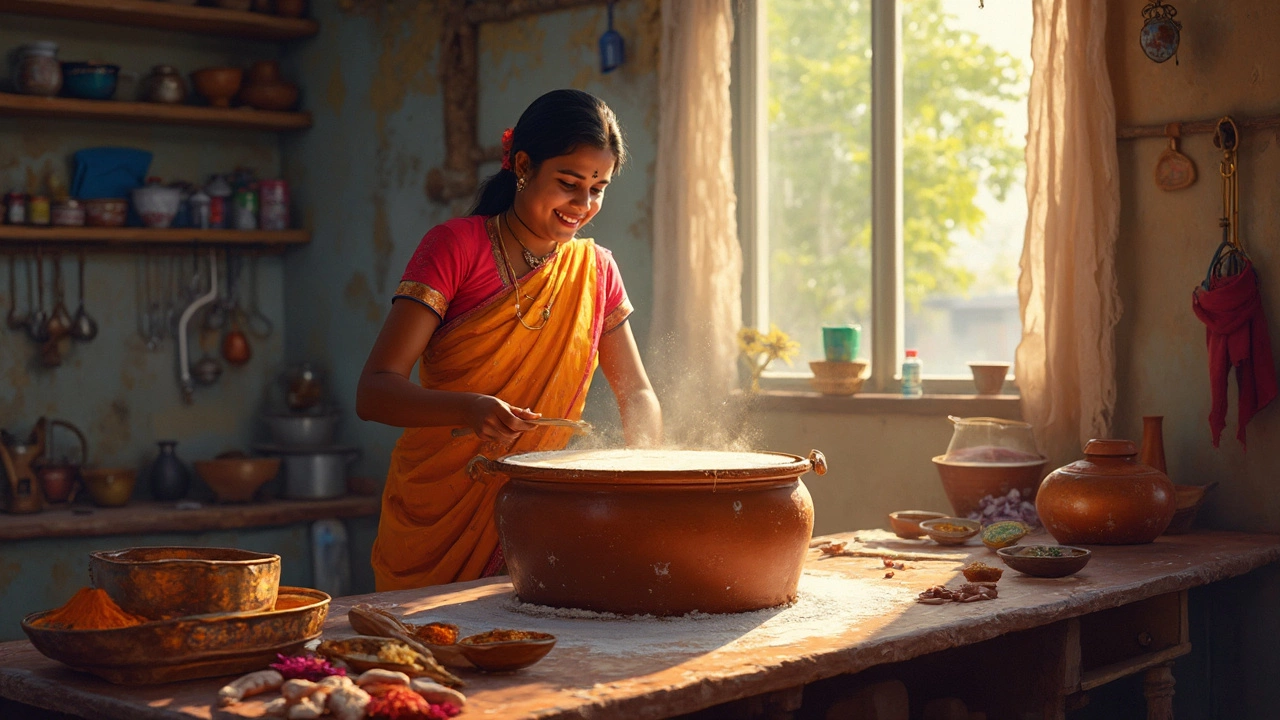
Then there’s fermentation, the natural process where bacteria and yeast turn the batter sour, light, and airy. Also known as natural leavening, it’s what gives dosa its signature texture and digestibility. Most people think you need 8–12 hours. But if you live in a cold climate or just don’t have time, you can skip it. Baking powder, lemon juice, or even a spoonful of leftover fermented batter can jumpstart the process. You won’t get the same depth of flavor, but you’ll still get a crispy, edible dosa. That’s the real win—flexibility without compromise.
And don’t forget the urad dal, the black lentil that gives dosa its fluffiness and binding power. Also known as black gram, it’s not just a side ingredient—it’s the backbone of the batter. Too little, and your dosa breaks. Too much, and it turns rubbery. The standard is 1 part urad dal to 3 parts rice, soaked separately, ground to a smooth, airy paste, then mixed. No shortcuts here. But you can grind it ahead and refrigerate the paste overnight to save time.
People ask: "Can I make dosa without soaking?" Yes—but it’ll take longer to cook and won’t be as digestible. "Can I use leftover rice?" Not really. Freshly ground batter makes all the difference. "Why does my dosa stick?" Usually because the pan isn’t hot enough, or you’re not using enough oil. A cast iron tawa is ideal, but a nonstick pan works fine if you preheat it right.
What you’ll find below isn’t just recipes. It’s the real talk from home cooks who’ve made hundreds of dosas—some perfect, some burned, some stuck to the pan. You’ll learn which rice actually works, how to tell if your batter is ready without waiting for it to double, and what to do when your kitchen is too cold for fermentation. No fluff. No theory. Just what happens when you follow the steps—and what happens when you don’t.