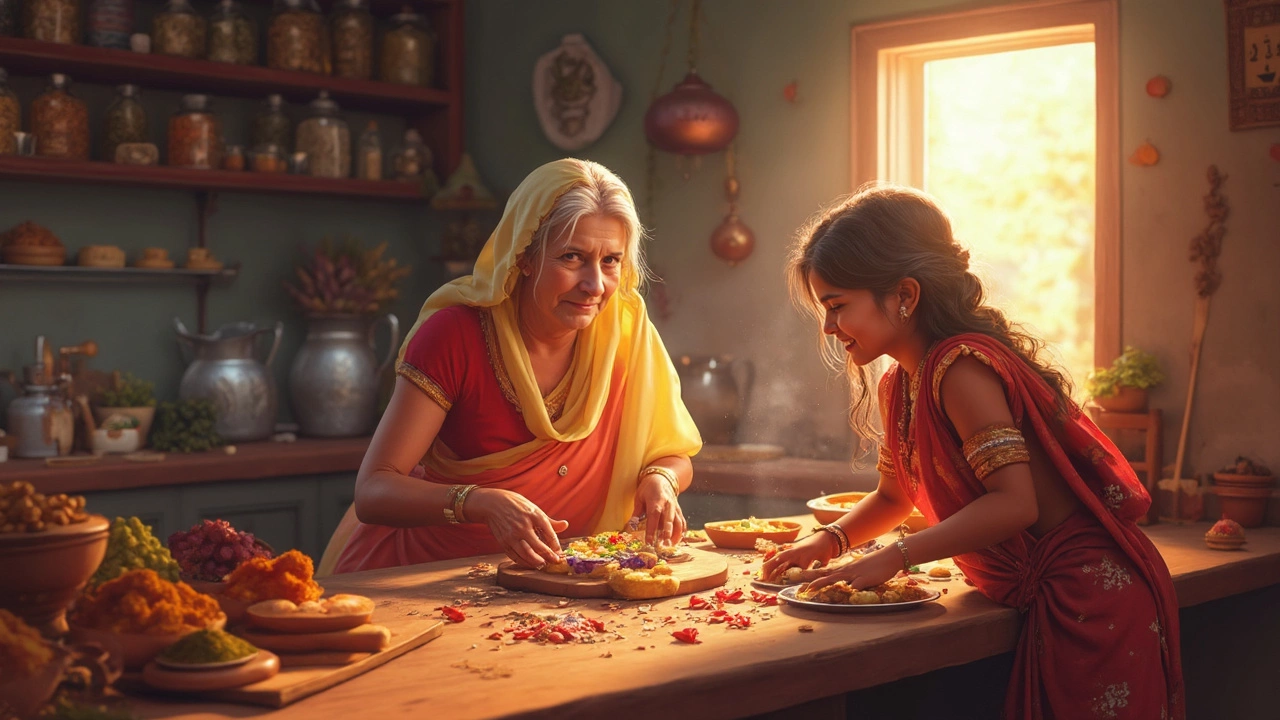
Mithai: The Sweet Heart of Indian Desserts and Traditional Sweets
When you think of mithai, a broad category of traditional Indian sweets made with milk, sugar, nuts, and spices. Also known as Indian desserts, it's not just something you eat—it's something you experience at weddings, festivals, and even as a simple gesture of hospitality. From the sticky, syrup-soaked gulab jamun to the crumbly, cardamom-kissed barfi, mithai carries the taste of home across India’s diverse regions. Unlike Western candies, mithai isn’t just about sugar—it’s about texture, timing, and technique. Many recipes rely on slow-cooked milk solids, hand-spun sugar threads, or fermented batter, turning simple ingredients into something magical.
What makes mithai truly special isn’t just the flavor—it’s the ingredients behind it. jaggery, an unrefined cane sugar used in place of white sugar in many traditional recipes. Also known as gur, it adds a deep, earthy sweetness that white sugar can’t match. You’ll find it in ladoos from Gujarat, in chikki from Maharashtra, and even in some versions of rasgulla. Then there’s paneer, a fresh, unaged cheese made by curdling milk with lemon or vinegar. Also known as Indian cottage cheese, it’s the star in sweets like rasgulla and chhena peda, giving them that soft, melt-in-your-mouth quality. These aren’t just ingredients—they’re the backbone of a sweet tradition that’s been passed down for generations.
People often assume mithai is all about excess, but that’s not true. Many traditional recipes use minimal sugar, rely on natural sweetness from fruits or milk, and are made in small batches without preservatives. The real sugar overload in modern India comes from packaged snacks and sweetened tea—not from homemade barfi or pashmak. And while store-bought mithai might look shiny and perfect, the best versions are often made in kitchens, not factories, with hands that know exactly when the milk has thickened just right.
Whether you’re making mithai for Diwali, a birthday, or just because you miss the taste of your grandmother’s kitchen, the process matters as much as the result. It’s about patience. It’s about heat control. It’s about knowing when to stop stirring. And yes—it’s about knowing when a piece of barfi is ready to snap cleanly, not crumble. The posts below cover all of it: how to make mithai from scratch, why certain sweeteners work better than others, how to fix common mistakes, and even how to store these sweets so they stay fresh. You’ll find guides on pashmak, paneer-based desserts, sugar alternatives, and how to avoid the pitfalls that turn sweet treats into sticky disasters. This isn’t just a collection of recipes—it’s a guide to understanding the soul behind every bite of mithai.