Paan: The Traditional Indian Betel Leaf Chew with Spice, History, and Culture
When you think of paan, a traditional Indian chew made from betel leaf, areca nut, and spices, often served after meals for its refreshing and digestive properties. Also known as betel quid, it’s not just a snack—it’s a ritual that’s been passed down for centuries across homes, street corners, and festivals in India. You’ll find it in every corner of the country, but no two paans are exactly alike. Some are sweet with fennel and rose petals, others are spicy with cardamom and cloves, and a few even come with a kick of tobacco—though that version is fading fast. What stays constant is how deeply it’s tied to Indian life: weddings, festivals, business deals, and even funerals often include paan as a sign of respect, hospitality, or closure.
At its core, paan is built on three key ingredients: the betel leaf, a heart-shaped, aromatic green leaf from the Piper betle plant, known for its natural antiseptic and digestive properties, the areca nut, a seed from the areca palm, chewed for its mild stimulant effect and slightly bitter taste, and a mix of spices like fennel, cardamom, cloves, and sometimes saffron or rosewater. These aren’t random additions—they’re chosen for how they balance flavor, texture, and function. The leaf wraps everything together, while the nut gives a subtle chew, and the spices make your mouth feel clean and alive. It’s why many Indians eat it after a heavy meal: it’s not just tradition—it’s digestion aid in disguise.
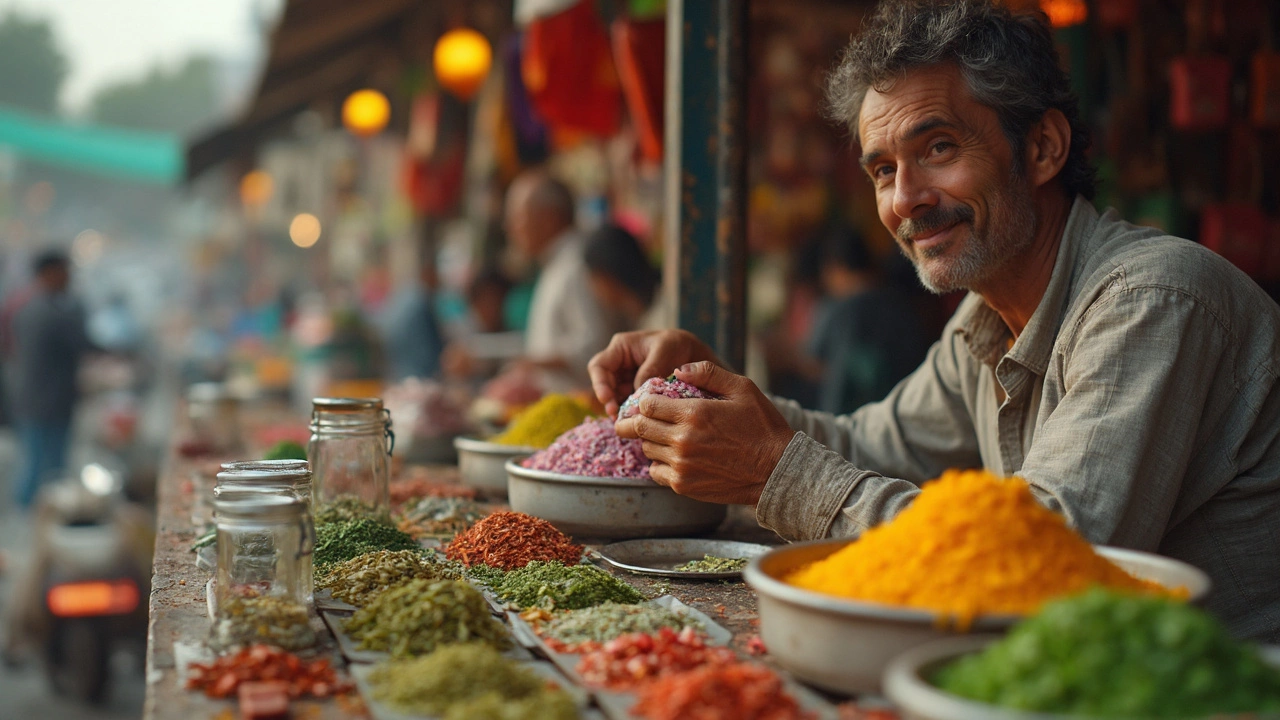
There’s no single recipe for paan. In Bengal, it’s sweet and floral. In Gujarat, it’s spicy and crunchy. In South India, it’s often wrapped with coconut and lime. Even the way it’s prepared varies—from hand-rolled street vendor versions to fancy, gold-leafed ones served at weddings. You won’t find paan in a grocery store, but you’ll find it everywhere else: outside temples, at train stations, in family kitchens, and even in modern cafes that serve it as a nostalgic treat. The real magic isn’t in the ingredients—it’s in how it brings people together. Whether you’re sharing a paan with a friend after dinner or offering one to a guest as a sign of welcome, it’s a gesture that says, "I’m here with you."
What you’ll find in the posts below isn’t just recipes or history—it’s the full story of paan as it lives today. From how to make it at home without the mess, to why some versions are healthier than others, to the surprising links between paan and Indian digestion habits. You’ll also see how it connects to other Indian traditions like chutney, jaggery, and even how we use spices after meals. This isn’t about nostalgia. It’s about understanding why something so simple still matters so much.