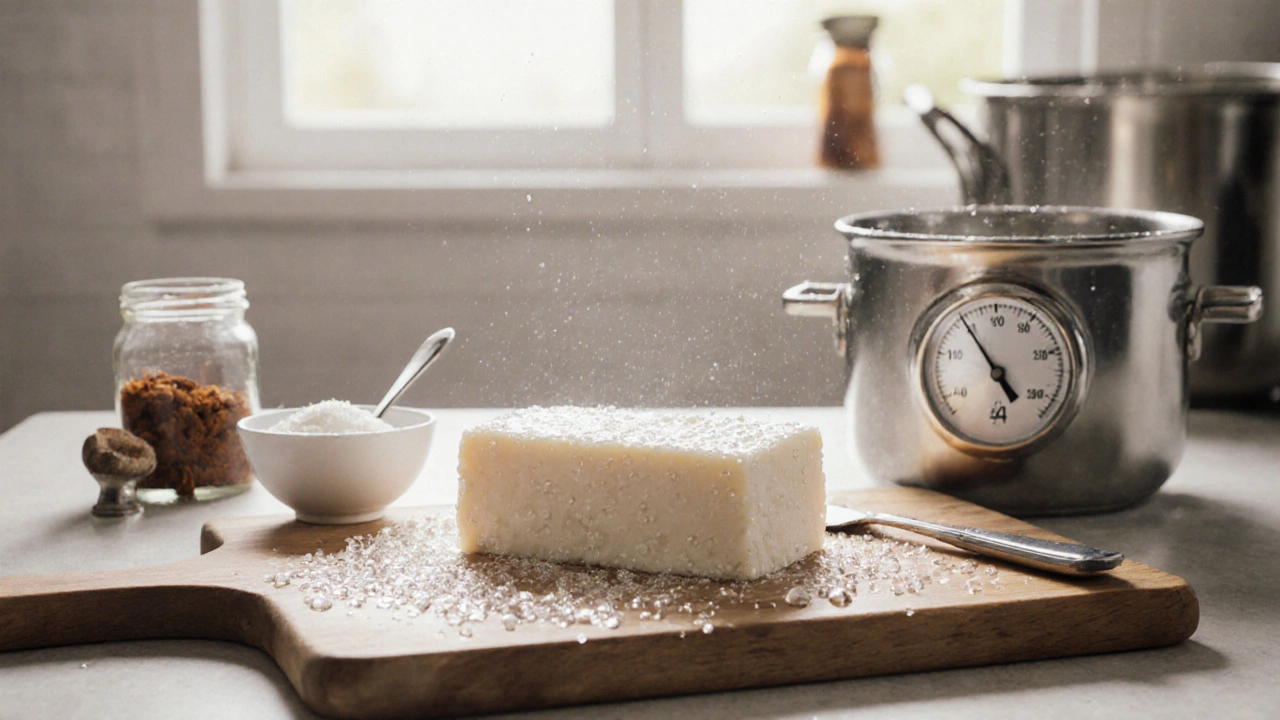
Paneer Storage Tips: Keep It Fresh, Soft, and Ready to Cook
When you make or buy paneer, a fresh, non-melting Indian cheese made from curdled milk. Also known as Indian cottage cheese, it’s a kitchen staple for curries, stir-fries, and snacks. But if you don’t store it right, it turns hard, dry, or sour—wasting both money and flavor. The difference between perfect paneer and rubbery paneer isn’t the recipe—it’s how you keep it after cooking or buying.
Storing paneer isn’t just about putting it in the fridge. It’s about managing moisture, temperature, and air exposure. Fresh paneer, a soft, moist cheese typically made daily in Indian homes needs to stay wet to stay tender. If it dries out, it turns chewy and loses its ability to soak up spices. And if it’s left in warm water or sealed too tightly, it can spoil faster than you think. Paneer shelf life, how long paneer stays safe and tasty depends entirely on your storage method. Refrigerated properly, it lasts 3–4 days. Frozen? Up to 3 months. But only if you prep it right first.
Many people soak paneer in water after buying it, thinking it helps. But using tap water or leaving it too long can make it soggy or introduce bacteria. The real trick? Submerge it in cold, salted water and change it daily. Or wrap it in a damp cloth inside a sealed container—that’s how Indian households keep it soft for days. If you freeze it, slice or cube it first, then flash-freeze on a tray before bagging. That way, you pull out only what you need without thawing the whole block.
Store-bought paneer often comes in plastic with excess water. Don’t just toss it in the fridge as-is. Drain the water, pat it dry, then rehydrate it properly using the salted soak method. You’ll notice the texture change instantly—less chalky, more creamy. And if you’re making paneer at home, don’t skip pressing it long enough. Under-pressed paneer falls apart in curry; over-pressed becomes brick-like.
Temperature matters too. Keep your fridge at or below 4°C. Don’t store paneer on the door—it heats up every time you open it. The back shelf, where it’s coldest and most stable, is best. And never leave it out for more than two hours, even if you’re prepping a meal. Heat and time are its enemies.
These aren’t just tips—they’re the quiet habits that separate home cooks who serve restaurant-quality paneer from those who keep throwing it out. You don’t need fancy tools. Just water, salt, a container, and a little attention. The next time you reach for paneer, you won’t be fighting texture or waste. You’ll have soft, flavorful cubes ready to melt into your kadai, tandoor, or grilled skewers.
Below, you’ll find real stories and fixes from people who’ve been there—how to rescue hard paneer, why some brands go bad fast, and the one mistake most beginners make. No fluff. Just what works.