Paneer Texture: How to Get Perfect Crumbly, Juicy, or Firm Paneer Every Time
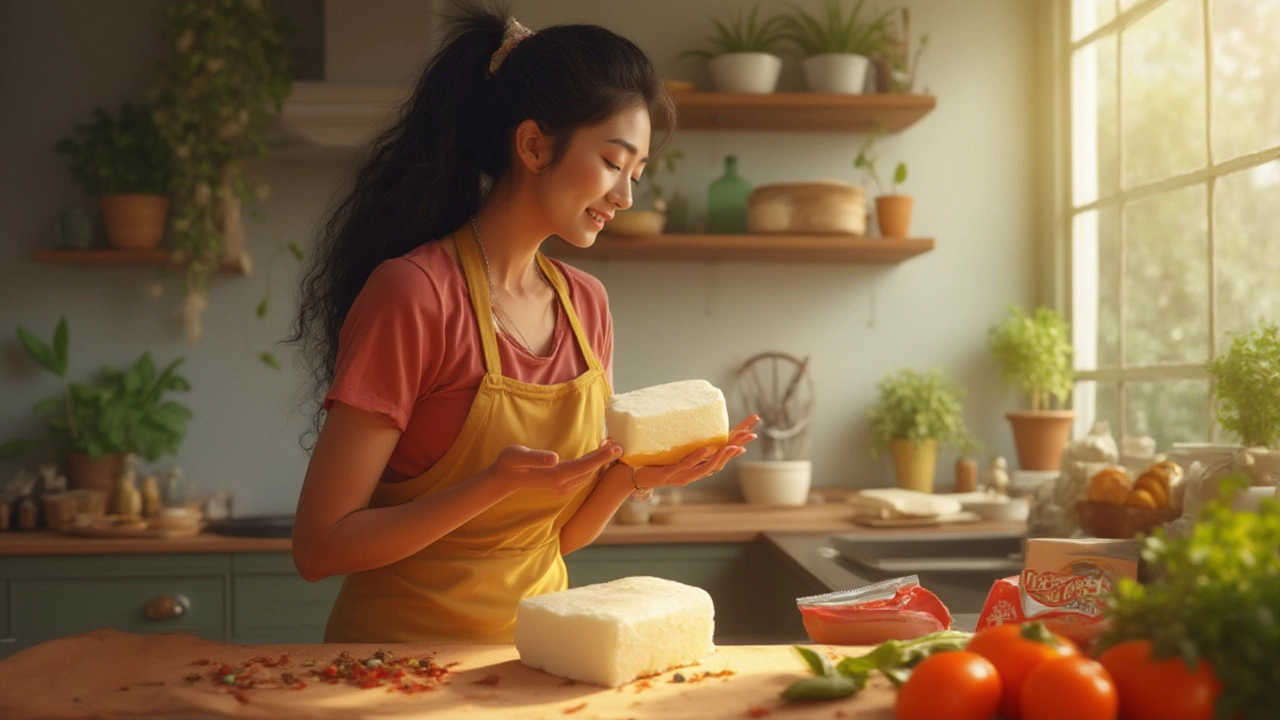
When you make paneer, a fresh, non-melting cheese common in Indian cooking. Also known as Indian cottage cheese, it's not just a protein source—it's the backbone of dozens of dishes, from paneer tikka to palak paneer. The texture of your paneer changes everything: too soft and it falls apart in gravy; too hard and it’s chewy like rubber. Getting it right isn’t luck—it’s science.
What you do before, during, and after curdling the milk decides whether your paneer will be tender, crumbly, or dense. If you use milk that’s too cold, or don’t press it long enough, you’ll end up with wet, mushy chunks that dissolve in your curry. On the flip side, over-pressing or using high heat when frying turns it dry and tough. The key is moisture control. Fresh paneer should hold its shape but still melt slightly on your tongue. That’s why recipes often say to soak it in warm water after pressing—it rehydrates the curds without making them soggy. And if you’re wondering why store-bought paneer feels different? It’s usually made with additives and pressed under industrial pressure, which kills the natural creaminess you get at home.
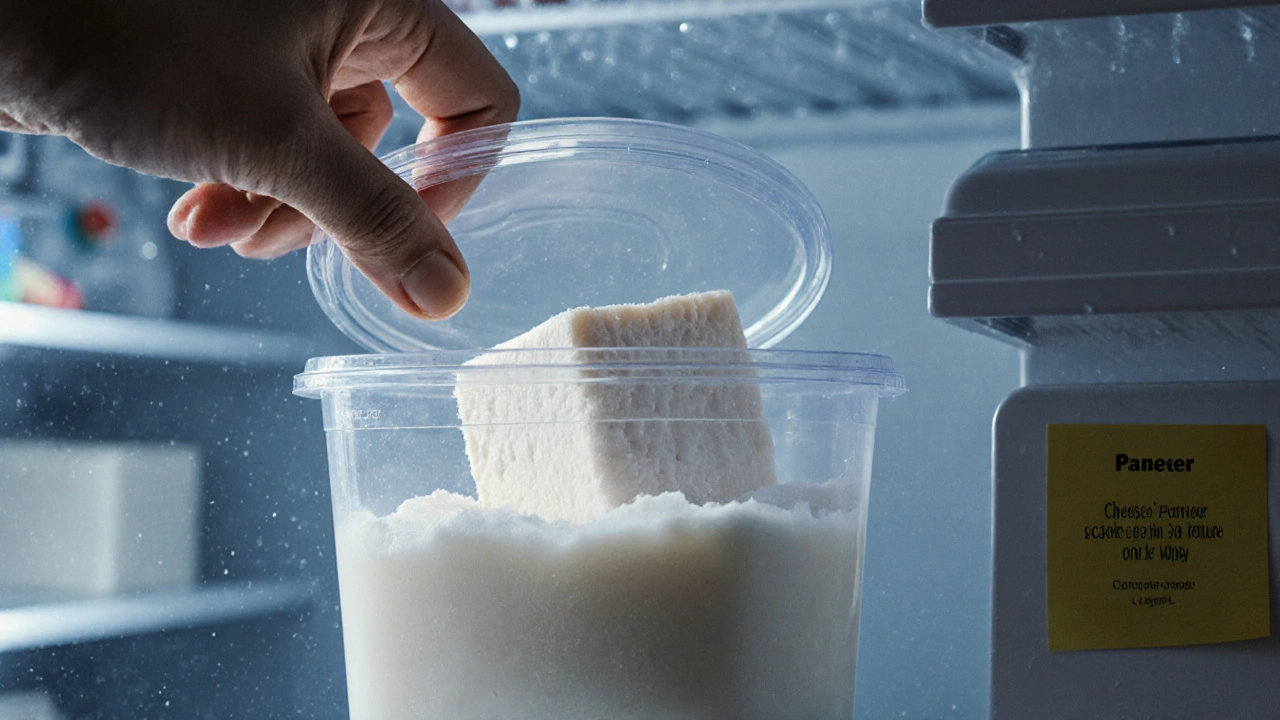
Related to this are two big factors: paneer shelf life, how long homemade paneer stays fresh before it turns sour or crumbly, and paneer substitution, what to use when you can’t find or make paneer. You can’t substitute tofu for paneer in a curry and expect the same result—they absorb liquid differently. And if your paneer goes bad after five days, it’s not because you’re doing something wrong—it’s because it’s fresh. No preservatives mean no long shelf life. That’s why many recipes teach you to freeze paneer if you’re not using it right away. Freezing changes the texture slightly, but it’s still better than throwing it out.
What you’ll find below are real, tested methods from home cooks who’ve cracked the code on paneer texture. Some show you how to fix grainy paneer with just salt and water. Others reveal why using full-fat milk makes a difference, and how the type of acid you use—lemon juice, vinegar, or yogurt—affects the final crumb. You’ll also see how to make paneer that holds up on the grill, or one that melts softly into a creamy sauce. No fluff. No theory. Just what works.