Paneer Tips: Best Ways to Cook, Store, and Use Fresh Paneer at Home
When you think of paneer, a fresh, unaged Indian cheese made by curdling milk with lemon juice or vinegar. Also known as Indian cottage cheese, it’s the star of dishes like paneer tikka, palak paneer, and paneer butter masala. Unlike aged cheeses, paneer doesn’t melt—it holds its shape, which is why it’s perfect for grilling, frying, or simmering in gravy. But getting paneer right isn’t just about the recipe. It’s about how you make it, handle it, and store it.
One big mistake? Using boiling milk to make paneer. You don’t need it to boil—just heat it to around 85°C, then add acid slowly. Too much lemon juice or vinegar makes paneer grainy and dry. A tablespoon of lemon juice for a liter of milk is enough. Let it sit for 10 minutes, then strain it in a muslin cloth. Tie it up and press it with a heavy weight—like a cast iron pan—for 30 minutes. That’s how you get firm, sliceable paneer without it falling apart in your curry.
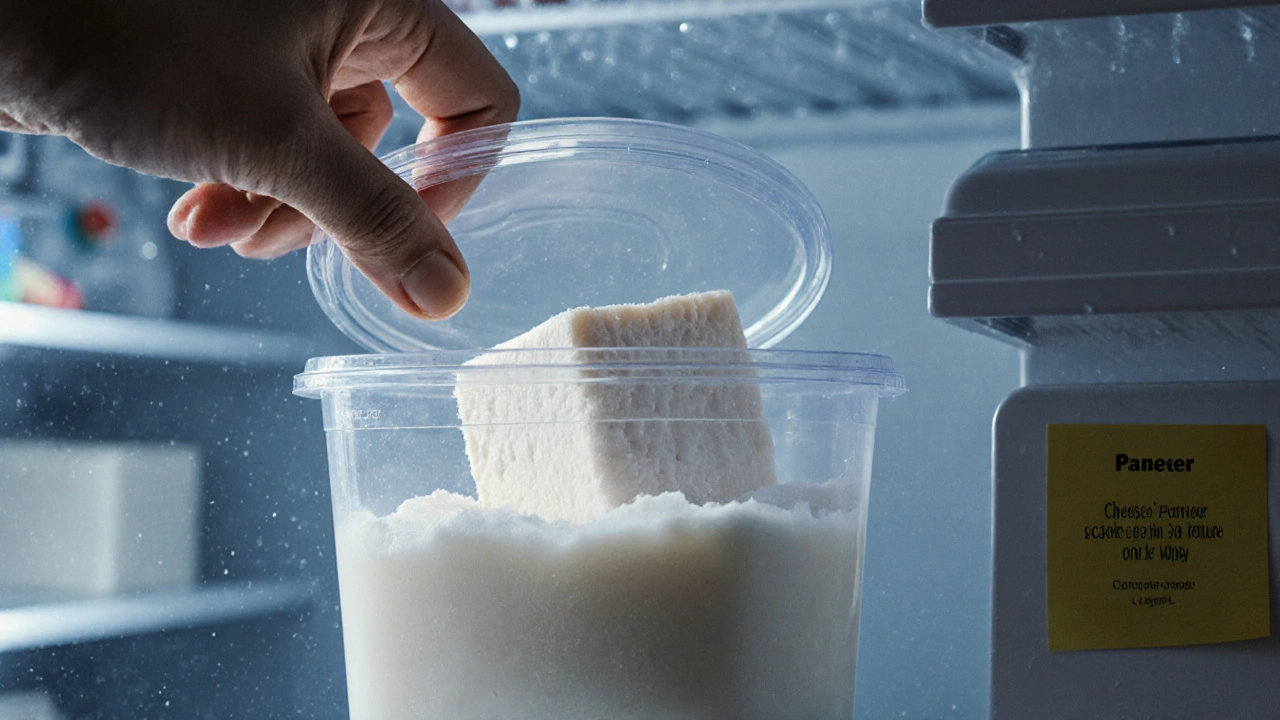
Storing paneer is just as important. Keep it submerged in cold water in the fridge. Change the water every day. That keeps it soft and fresh for up to 5 days. If you freeze it, thaw it in the fridge overnight. Frozen paneer gets a chewier texture, which actually works great in curries—it soaks up flavor even better. But never leave it out at room temperature for more than 2 hours. Spoiled paneer smells sour, not just tangy, and looks slimy. If it does, toss it. No amount of cooking will save it.
When cooking paneer, don’t overcook it. Frying it until golden gives it a nice crust and locks in moisture. Then, add it to your sauce at the very end. Let it warm through for 2–3 minutes, not 10. Overcooked paneer turns rubbery. And if your curry tastes bland? You probably skipped the step of browning onions and spices properly. Paneer doesn’t add flavor—it carries it. So make sure your base is rich before you add it.
Want to make paneer dairy-free? Try tofu or cashew-based alternatives, but they won’t behave the same. Paneer’s texture is unique—it’s firm yet tender, mild but satisfying. That’s why it’s one of the most popular vegetarian proteins in India. Whether you’re making a quick snack with paneer cubes and chaat masala, or a slow-cooked korma, the key is always the same: start with good paneer, handle it gently, and treat it like the star it is.
Below, you’ll find real advice from people who’ve made paneer at home—some with failed batches, others with perfect results. You’ll learn how to fix watery paneer, whether you can use spoiled milk, how long it lasts, and what to do when it turns hard. These aren’t theories. They’re fixes that actually work in Indian kitchens every day.