Popular Indian Sweets: Traditional Desserts, Sweeteners, and How They're Made
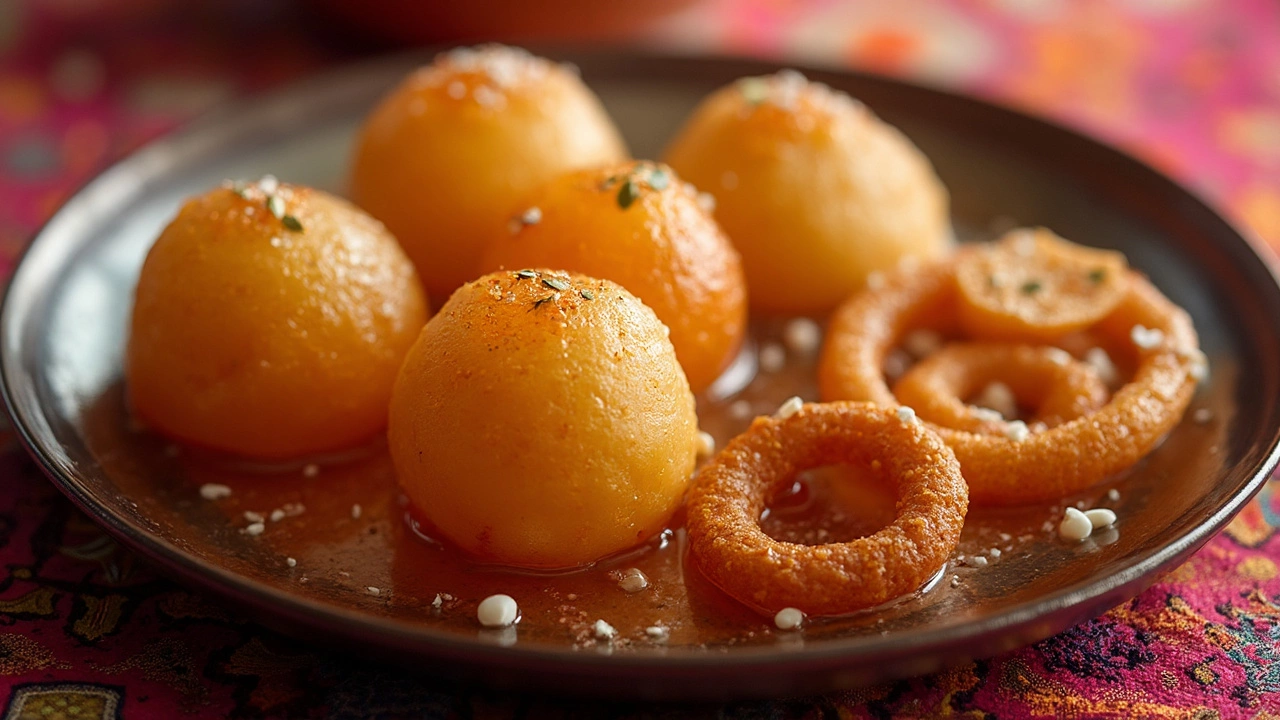
When you think of popular Indian sweets, a vibrant array of sugar-based, milk-based, and flour-based desserts deeply rooted in regional traditions and festivals. Also known as mithai, these treats are more than just dessert—they're part of celebrations, gifts, and daily rituals across India. From the sticky, golden jaggery, unrefined cane sugar with a rich, molasses-like depth used in sweets like gur ki barfi and til laddoo to the airy, cardamom-scented pashmak, a hand-spun sugar floss that’s been made the same way since Mughal times, each sweet tells a story. These aren’t just sugary snacks; they’re crafted with care, often using techniques passed down for generations.
What makes Indian sweets different from other desserts? It’s not just the sweetness—it’s the balance. Many traditional sweets use sugar alternatives, like coconut sugar, honey, or dried fruit pastes, to add depth without overwhelming the palate. You won’t find artificial colors or preservatives in homemade versions. Instead, you’ll see saffron threads, crushed cardamom, and nuts ground into the mix. Even the texture matters: some sweets are chewy, others melt-in-your-mouth, and a few are crunchy from roasted gram flour or sesame seeds. The real secret? Time. Many sweets, like rasgulla or gulab jamun, need hours of simmering or soaking to develop their signature softness. And while store-bought versions might look shiny and uniform, the best ones are made in small batches, often by families who’ve been doing it for decades.
There’s a reason these sweets survive in a world full of fast food and packaged snacks—they connect people. A plate of popular Indian sweets isn’t just served at weddings or Diwali. It’s handed out after a baby’s naming ceremony, offered to guests who drop by unannounced, or given as a thank-you to a neighbor. The ingredients might vary by region—jaggery in the south, khoya in the north, coconut in the west—but the meaning stays the same: sharing sweetness is sharing care. In the posts below, you’ll find real, practical insights into how these sweets are made, what sweeteners truly work best, and why some versions taste nothing like what you find in a grocery store. Whether you want to make pashmak without a machine, swap sugar for jaggery, or understand why store-bought rasgulla turns rubbery, you’ll find the answers here—no fluff, no guesswork, just what works.