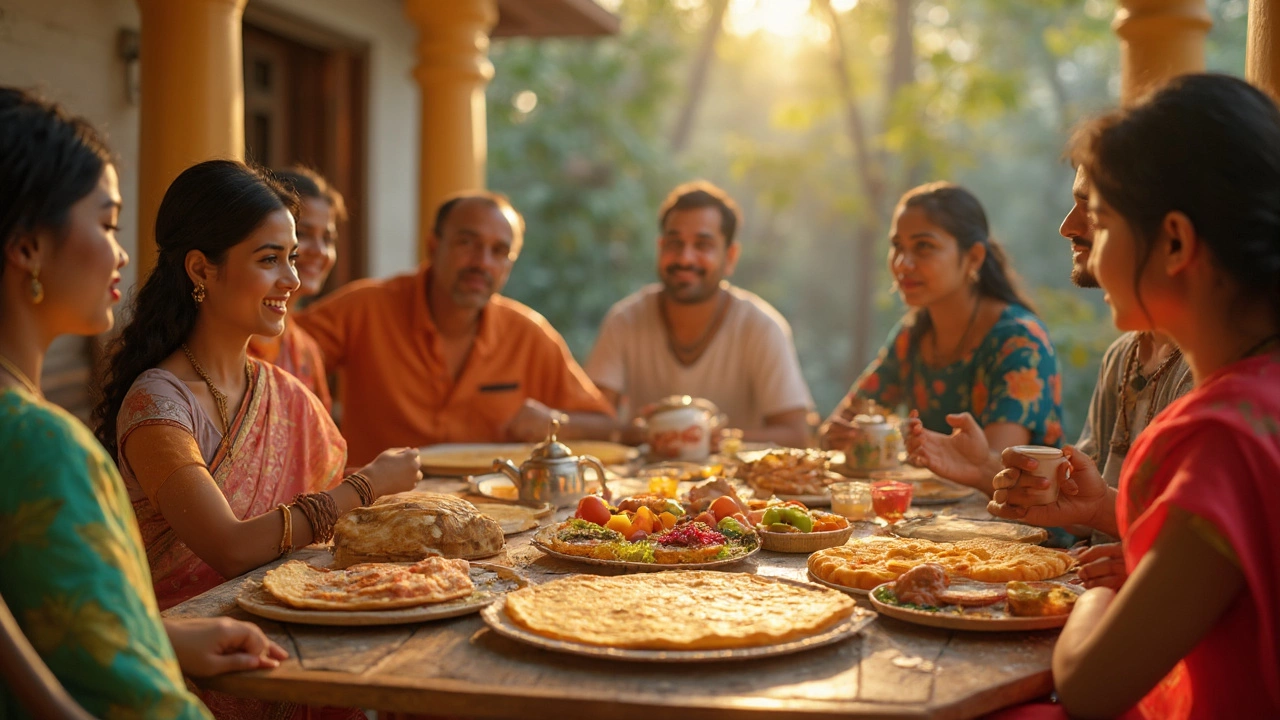
Regional Cuisines of India: Discover Authentic Flavors from Every Corner
When you think of regional cuisines, the distinct cooking styles and flavors that vary across India’s states and communities. Also known as Indian state cuisines, they’re not just different recipes—they’re cultural stories told through spices, ingredients, and cooking methods. India isn’t one kitchen. It’s dozens, each shaped by climate, history, religion, and local harvests. What’s breakfast in Punjab is dinner in Tamil Nadu. What’s a street snack in Kerala is a festival dish in Rajasthan.
The South Indian cuisine, centered around rice, lentils, tamarind, and coconut. Also known as Dravidian cooking, it relies on fermentation, steaming, and tempering with mustard seeds and curry leaves. Think dosa, idli, and sambar—light, tangy, and packed with gut-friendly probiotics. Meanwhile, North Indian food, built on wheat, dairy, slow-cooked meats, and creamy gravies. Also known as Punjabi or Mughlai cuisine, it’s where butter chicken, naan, and paneer tikka come from. These aren’t just meals—they’re traditions passed down through generations, often tied to seasons and rituals.
And then there’s the rest: the coastal seafood of Goa, the spicy curries of Bengal, the millet-based meals of Maharashtra, the smoked meats of the Northeast. Each region has its own spice blends, custom mixes of whole and ground spices that define flavor profiles. Also known as masalas, they’re the secret behind dishes that taste unmistakably local. You won’t find garam masala in a Tamil kitchen the same way you won’t find curry leaves in a Punjabi kadhi. That’s the beauty of it.
What you’ll find below isn’t a list of recipes—it’s a map. A collection of real, tested posts that break down exactly how these regional flavors work: why you soak rice for dosa, why paneer turns hard in stores, how chutney boosts gut health, and why biryani tastes different in Hyderabad versus Lucknow. No fluff. No generic advice. Just the facts, tips, and truths from kitchens across India.