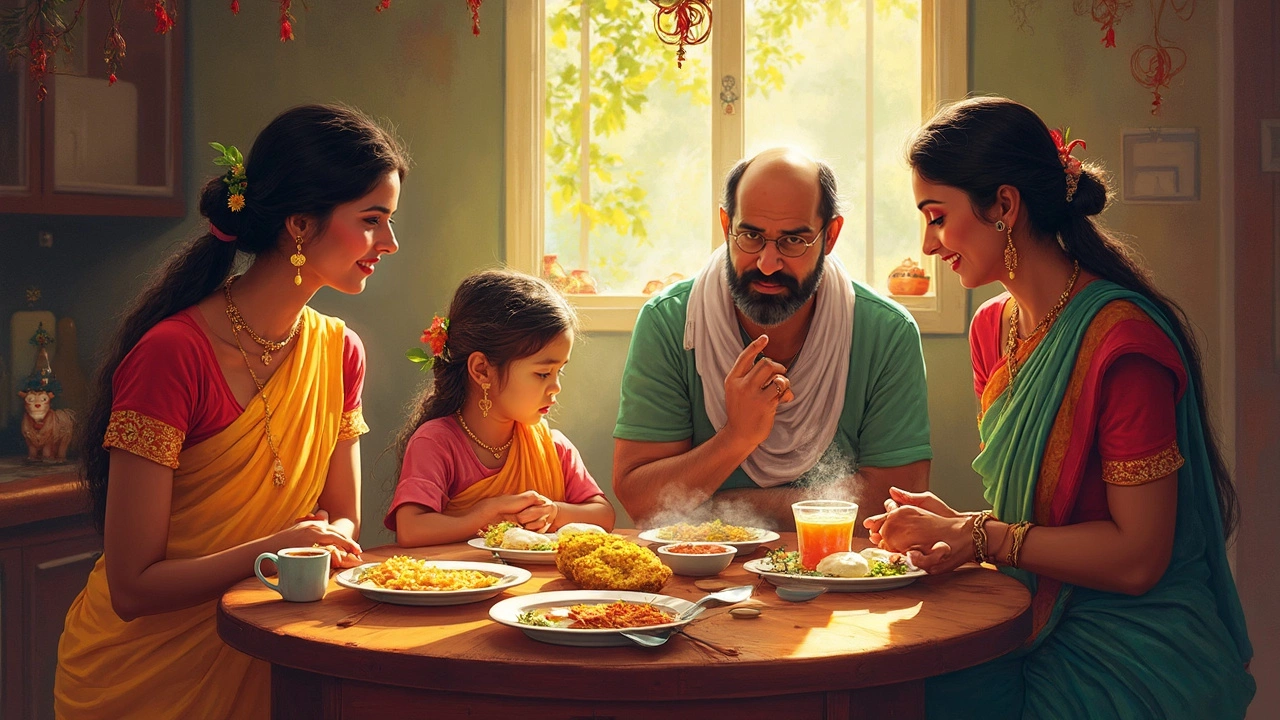
Religious Beliefs and Indian Food: How Faith Shapes Daily Meals
When you eat an Indian meal, you’re not just tasting spices—you’re tasting centuries of religious beliefs, deeply held spiritual values that guide what people eat, when they eat, and how food is prepared. Also known as faith-based dietary codes, these beliefs shape everything from the lentils on your plate to the sweets served at festivals. In India, food isn’t separate from worship—it’s part of it. A Hindu family might avoid onions and garlic because they’re considered tamasic, while a Jain household won’t eat root vegetables to avoid harming tiny life forms in the soil. These aren’t just preferences—they’re rules passed down through generations, tied to karma, purity, and devotion.
Hindu dietary practices, a system of food rules rooted in Ayurveda and Vedic texts, influence what’s cooked in millions of homes. Many Hindus fast on Ekadashi, skipping grains and eating only fruits or special flours. Others avoid meat entirely, seeing cows as sacred and choosing lentils, dairy, and vegetables as their daily fuel. Muslim food customs, centered on halal principles and seasonal feasts, bring their own rhythm—think of the rich biryanis and kebabs served during Eid, or the absence of pork in every kitchen that follows Islamic law. And then there’s Jain vegetarianism, one of the strictest plant-based diets in the world, where even garlic, potatoes, and honey are avoided to prevent harm to microorganisms. These aren’t niche practices—they’re daily realities for tens of millions.
These beliefs don’t just stop at what’s eaten—they shape how food is made, shared, and even stored. Temple kitchens prepare meals without onions or garlic for devotees. Families prepare separate pots for fasting days. Sweets like pashmak are offered during religious ceremonies, not just because they’re sweet, but because they symbolize joy and divine blessing. Even the idea of not eating dal at night isn’t just about digestion—it’s tied to ancient ideas of lightness before sleep and spiritual discipline. The same lentils you cook for dinner might be avoided after sunset in a household that follows strict religious timing.
What you’ll find in the posts below isn’t a list of recipes—it’s a map of how faith lives in every spice jar, every pot of dal, every sweet treat. You’ll see how the same dish—paneer, chutney, or biryani—can carry different meanings depending on who’s cooking it and why. Whether it’s using slightly sour milk to make paneer because it’s a practical way to honor scarcity, or choosing jaggery over white sugar because it’s seen as purer, every choice connects back to belief. This collection doesn’t just teach you how to cook Indian food—it shows you why it’s cooked the way it is, and how deeply religion is stitched into the fabric of everyday meals.