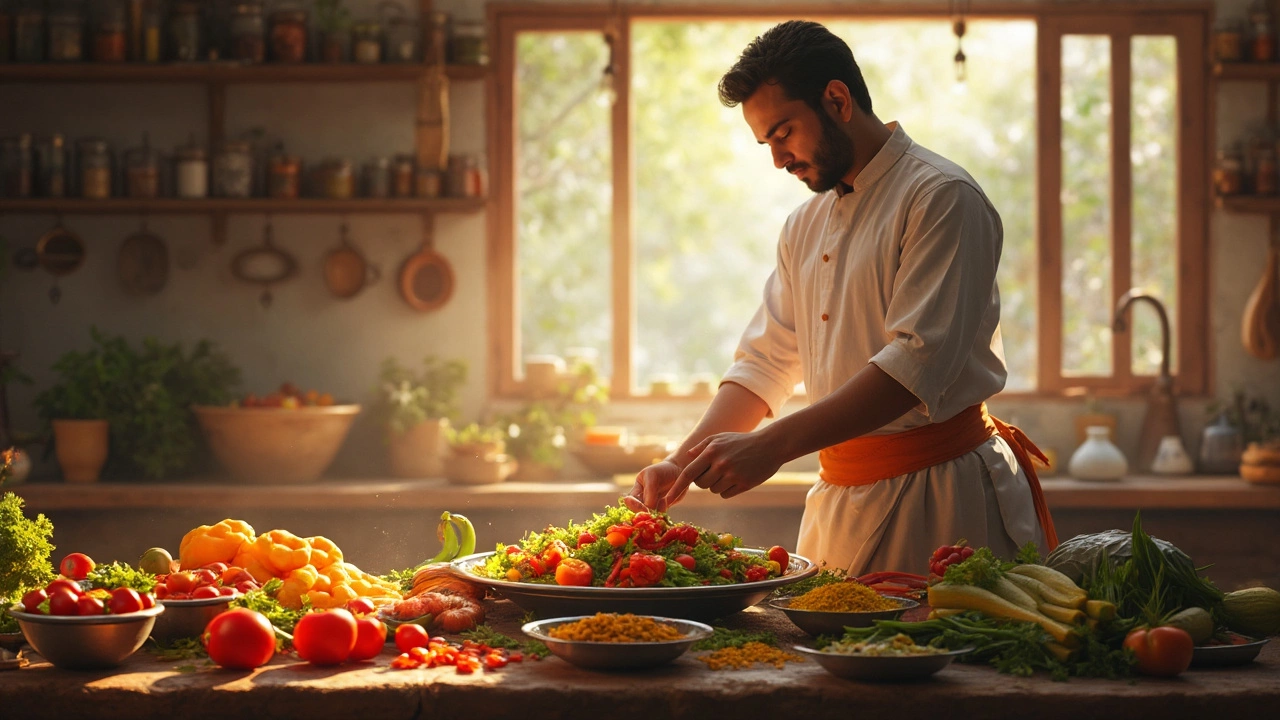
Root Vegetables: The Quiet Heroes of Indian Kitchens
When you think of Indian food, you might picture spicy curries or fragrant biryanis—but behind most of those flavors are humble root vegetables, tubers and bulbs grown underground that form the base of countless traditional dishes. Also known as underground vegetables, they’re the unsung heroes that add sweetness, texture, and staying power to meals from Punjab to Kerala.
Root vegetables like carrots, sweet, crunchy, and packed with beta-carotene, potatoes, the go-to filler that thickens gravies and absorbs spices, and turnips, a winter staple with a peppery bite show up everywhere in Indian homes. You’ll find them in dal stews, where they soften into the lentils and balance the heat. They’re roasted with cumin for roadside snacks, diced into sabzis with mustard seeds, or mashed into khichdi for kids and elders alike. Unlike imported veggies, these grow locally, stay fresh longer, and cost less—making them essential for everyday cooking.
What makes root vegetables so useful? They’re forgiving. Overcook them a little? They still taste good. Skip soaking? No problem. They don’t need fancy tools—just a pot, some oil, and basic spices. And unlike delicate greens, they hold up in leftovers, making them perfect for meal prep. Many Indian families use them to stretch meals, especially when meat or dairy is scarce. That’s why you’ll see them paired with dal, lentils that digest slowly and pair perfectly with the earthy sweetness of roots—a combo that keeps you full and supports digestion, even if eaten later in the day.
There’s no magic trick to cooking them right. The key is cutting them evenly so they cook together, sautéing them first to bring out their natural sugars, and letting them simmer slowly in the curry. Don’t rush them. If you’ve ever had a watery potato curry, it’s because the roots weren’t browned enough—or the water ratio was off. That’s why posts here show you exactly how much liquid to use, when to cover the pot, and how to tell when they’re done without tasting.
Some people avoid root vegetables because they think they’re too starchy. But in Indian cooking, they’re not just filler—they’re flavor builders. A well-cooked turnip in a kadhi adds depth. Carrots in a moong dal curry make it comforting. Even the peels, when cleaned well, add fiber and nutrients. You don’t need fancy ingredients to make them shine. Just good oil, garlic, turmeric, and patience.
Below, you’ll find real recipes and tips from home cooks who use root vegetables every day. No fluff. No gimmicks. Just how to pick them, store them, cook them without turning them to mush, and turn them into meals that taste like home—even on a busy day.