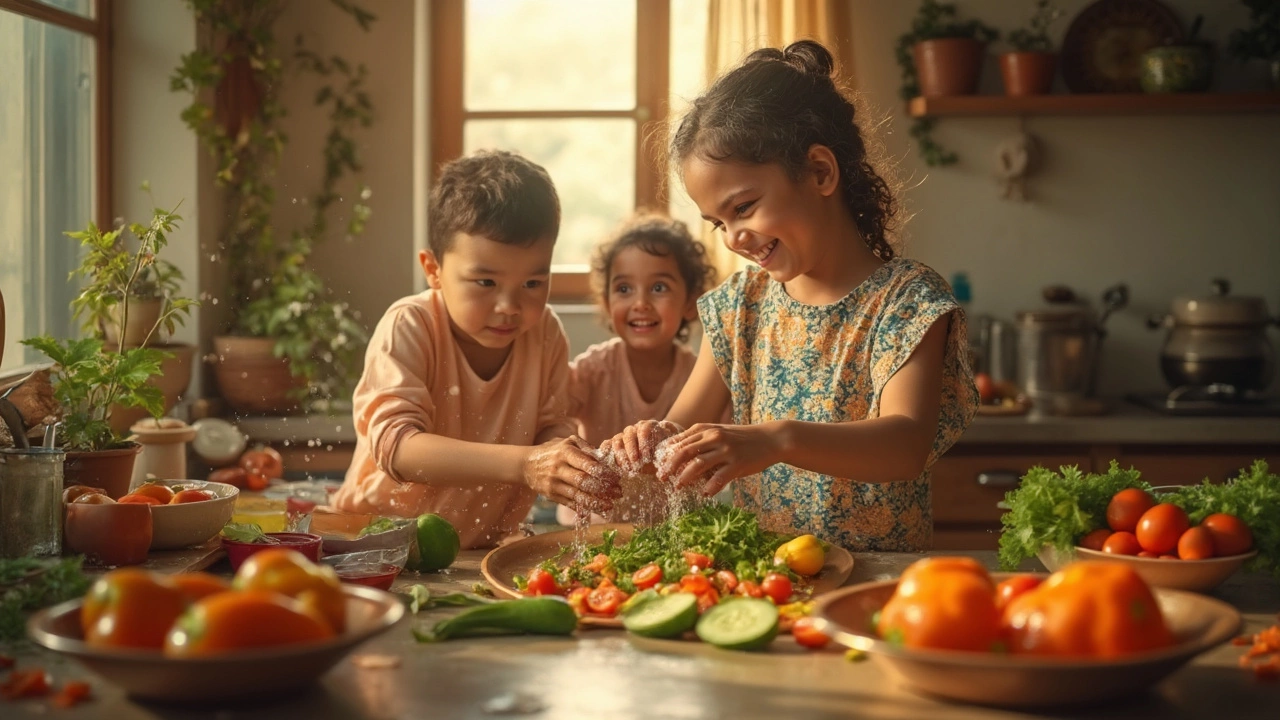
Salad Safety India: Avoid Food Poisoning with Safe Prep and Storage
When it comes to salad safety in India, the practice of handling raw vegetables and fruits to prevent foodborne illness in a hot, humid climate. Also known as fresh food hygiene, it’s not just about washing greens—it’s about knowing when water is clean, how long produce lasts, and why that store-bought salad might be riskier than you think. In India, where temperatures often hit 35°C+ and humidity lingers, bacteria like E. coli and Salmonella thrive. A simple cucumber salad left out for four hours can turn from refreshing to dangerous. This isn’t theory—it’s what health departments report every monsoon season.
Related to this is safe produce handling, how to clean, store, and choose vegetables and fruits without spreading germs. Many people rinse salads under tap water and assume that’s enough. But in cities where water quality varies, even filtered tap water can carry pathogens. The real fix? Soak produce in a vinegar-water mix (1:3 ratio) for 10 minutes, then rinse with bottled or boiled-cooled water. Also, avoid pre-chopped salads from street vendors—they’re often prepped hours before serving, sitting in warm carts. Fresh is safer, and freshly chopped is best.
Indian salad storage, keeping chopped veggies and dressings cold to slow bacterial growth. Your fridge isn’t just for drinks and leftovers—it’s your first line of defense. Store salads in airtight containers, not open bowls. Add dressings only right before eating. Mayo-based salads? Skip them unless you’re certain the dairy was refrigerated constantly. Even something as simple as chopped onions or tomatoes can become a breeding ground if left out too long. And don’t forget: if your salad looks slimy, smells off, or has dark spots, toss it. No exceptions.
Then there’s food poisoning in India, the common illness caused by eating contaminated raw food, often from poor handling or unsafe water. It’s not just about street food. Home-prepared salads cause just as many cases. Symptoms—nausea, cramps, diarrhea—can hit within hours. Kids, seniors, and pregnant women are most at risk. The good news? Most cases are preventable. You don’t need fancy tools. Just clean hands, clean surfaces, cold storage, and a little awareness.
What you’ll find in these posts aren’t generic tips. They’re real fixes from people who’ve learned the hard way. How to tell if your lettuce is still safe after a heatwave. Why some spices like cumin and coriander actually help kill germs. When to skip raw onions in your salad. How to store mint chutney so it doesn’t turn sour overnight. And why buying pre-washed greens from the market might be a gamble you can’t afford.