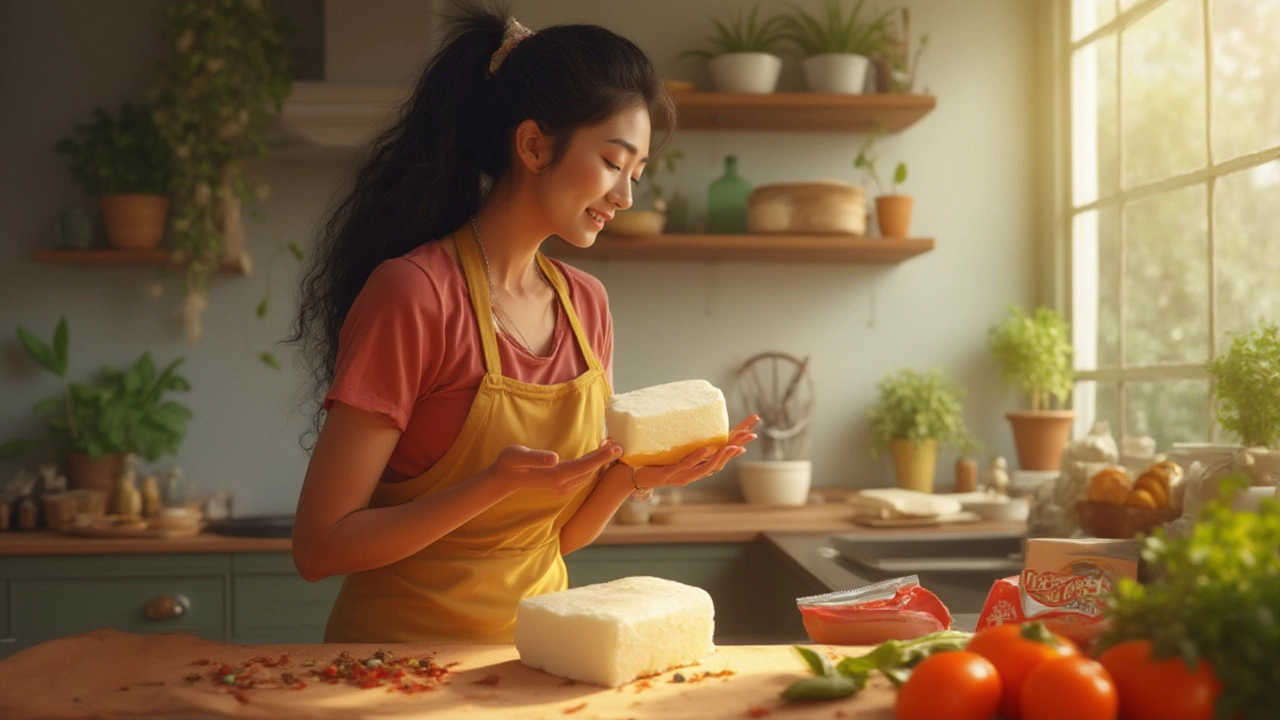
Soft Paneer: How to Make It Tender and Use It in Indian Dishes
When you think of soft paneer, a fresh, unaged Indian cheese made by curdling milk with acid. Also known as Indian cottage cheese, it’s the star of dishes like palak paneer, paneer tikka, and kadai paneer—where texture makes or breaks the meal. Hard, rubbery paneer isn’t just disappointing—it’s a sign something went wrong in the making or cooking process. The best paneer should melt slightly in your mouth, soak up spices like a sponge, and hold its shape without turning chewy.
Most store-bought paneer is hard because it’s pressed too long, stored too long, or made with low-fat milk. But you don’t need to accept that. Making homemade paneer, a simple cheese made by heating milk and adding lemon juice or vinegar to separate the curds takes less than 30 minutes and gives you control over every step. The key? Don’t press it too hard after curdling. Wrap the curds in a cloth, lay a light weight on top—just enough to drain excess water, not squeeze out all the moisture. Let it rest for 15 minutes, not an hour. That’s it. You’ll get soft, springy paneer that’s perfect for curries.
And if you’re stuck with hard store-bought paneer? There’s a fix. Cut it into cubes, then soak them in warm salted water for 10 minutes. This rehydrates the cheese and brings back some of its tenderness. Or, fry it lightly in ghee before adding to your curry—it firms up the outside just enough to hold shape, while keeping the inside creamy. This trick is used in restaurants for a reason.
Soft paneer isn’t just about texture—it’s about how it works with other ingredients. In dishes like paneer tikka masala, a creamy tomato-based curry with grilled paneer cubes, the cheese needs to absorb the sauce without falling apart. If it’s too dense, it just sits there like a lump. But soft paneer? It becomes part of the flavor, not just a filler.
People often confuse paneer with other cheeses like mozzarella or feta, but it’s different—it’s not aged, not salted, and not fermented. It’s pure milk protein, held together by acid. That’s why it’s so sensitive to heat and pressure. Overcook it, and it turns tough. Under-press it, and it’s too crumbly. The sweet spot is in between, and once you find it, you’ll never go back to the hard stuff.
Below, you’ll find real, tested ways to make paneer softer, fix the store-bought kind, and use it in recipes that actually highlight its texture. No fluff. No guesswork. Just what works.