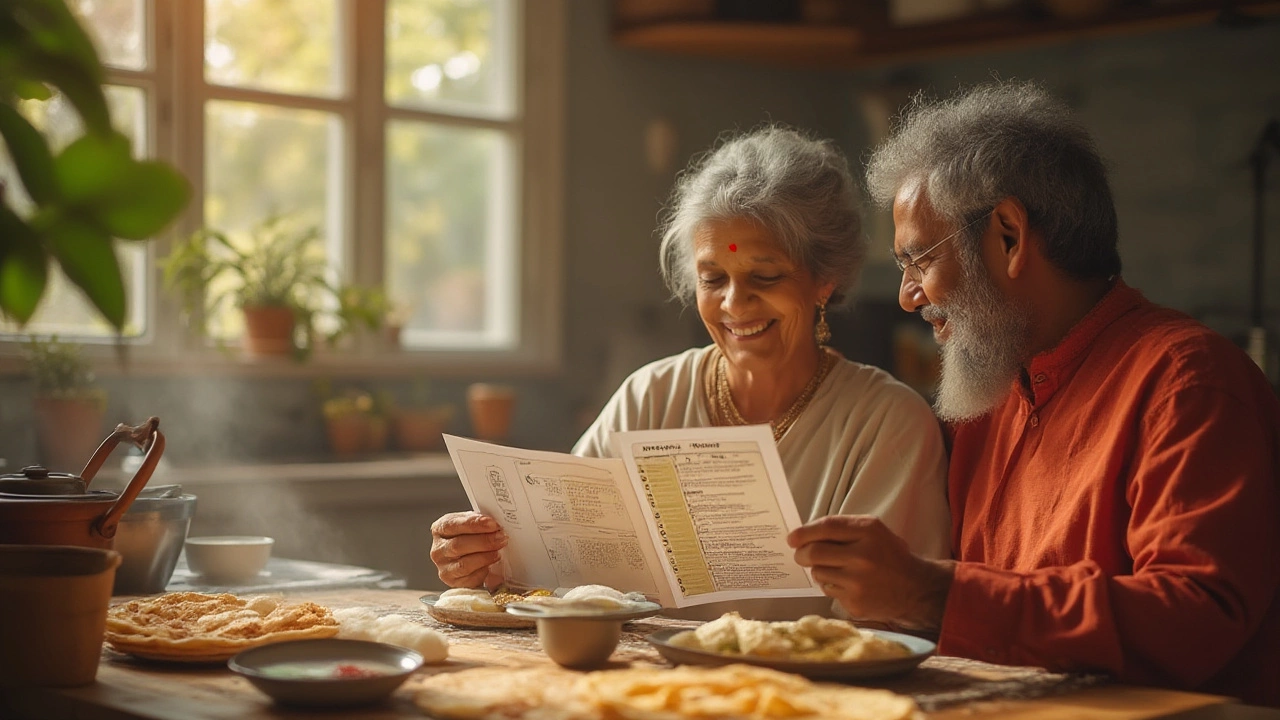
South Indian Breakfast for Diabetes
When you're managing diabetes, a chronic condition that affects how your body turns food into energy. Also known as blood sugar imbalance, it requires smart choices at every meal—especially breakfast. South Indian breakfasts are often seen as healthy, but not all are safe for diabetics. Many traditional dishes like plain idli, dosa, and upma are made with refined rice or white flour, which spike blood sugar fast. The good news? You can still enjoy these flavors without the crash—by making simple swaps and knowing what to watch for.
The real issue isn’t the cuisine—it’s the ingredients and how they’re prepared. For example, idli, a steamed rice and lentil cake popular across southern India is naturally low in fat, but if it’s made with polished white rice, it’s still a high-glycemic food. Swap even half the rice for millet or whole urad dal, and you get fiber, protein, and slower digestion. Same with dosa, a crispy fermented crepe made from rice and black lentils. Traditional batter uses mostly rice, but adding oats, ragi, or barley cuts the sugar rush. Even chutneys, often overlooked, can be loaded with sugar—go for coconut or tomato versions without added sweeteners.
What about poha, flattened rice cooked with curry leaves and peanuts? It’s light and quick, but again, the type of rice matters. Choose thick, unpolished poha over the fine, bleached kind. Pair it with protein—like roasted peanuts or boiled eggs—and you’ve got a balanced meal. And don’t forget sambar, a lentil-based vegetable stew seasoned with tamarind and spices. Made right, it’s packed with fiber and low in carbs. Skip the sugar often added to balance tamarind’s sourness, and use a pinch of jaggery only if absolutely needed.
Many people think diabetic diets mean giving up flavor. That’s not true. South Indian cooking thrives on spices—turmeric, cumin, fenugreek, curry leaves—that help regulate blood sugar naturally. Fenugreek seeds, for instance, are used in traditional recipes for a reason—they improve insulin sensitivity. A sprinkle in your dosa batter or a teaspoon in your sambar makes a real difference. You don’t need fancy supplements. Just use what’s already in your kitchen, smarter.
The biggest mistake? Assuming all traditional foods are automatically healthy. Some are, but not all. It’s about tweaking—not banning. You can still have your idli and eat it too—just make sure the batter’s got more lentils than rice, skip the coconut chutney with sugar, and add a side of plain yogurt or sautéed greens. These small changes turn a risky meal into a blood-sugar-friendly one.
Below, you’ll find real recipes and practical tips from people who’ve been there—how to make dosa without refined rice, why soaking your lentils matters more than you think, and which chutneys actually help your gut and your glucose levels. No fluff. Just what works.