Spice Blend: Essential Indian Mixes for Authentic Flavors
When you think of Indian food, you’re really thinking about spice blend, a carefully balanced mix of ground spices that defines regional dishes and elevates simple ingredients into unforgettable meals. Also known as masala, it’s not just seasoning—it’s the soul of the kitchen. Unlike single spices, a spice blend combines warmth, heat, sweetness, and earthiness in one jar. Think of it like a signature song—each ingredient plays a part, and if one’s off, the whole thing changes.
Every home in India has its own version of a spice blend. garam masala, a warm, aromatic mix often including cinnamon, cardamom, cloves, and black pepper, is added at the end of cooking to preserve its fragrance. curry powder, a British-influenced blend with turmeric, coriander, and cumin, is what many outside India recognize—but it’s just one variation. Then there’s panch phoron, a five-spice blend from Bengal with fenugreek, nigella, cumin, mustard, and fennel, used for tempering oils, not stirring into curries. These aren’t interchangeable. Using the wrong one is like swapping jazz for rock—it might sound similar, but the feeling is totally different.
Why does this matter? Because most store-bought spice blends are stale, over-processed, or filled with fillers. Real Indian households roast and grind their own spices weekly. That’s why your homemade curry tastes better than the restaurant version—it’s not just the recipe, it’s the blend. Freshly ground cumin has a citrusy punch. Toasted coriander seeds smell like earth after rain. Cardamom isn’t just sweet—it’s floral, almost medicinal in the best way. When you mix these yourself, you control the balance. Too much turmeric? It turns bitter. Not enough black pepper? The flavor stays flat.
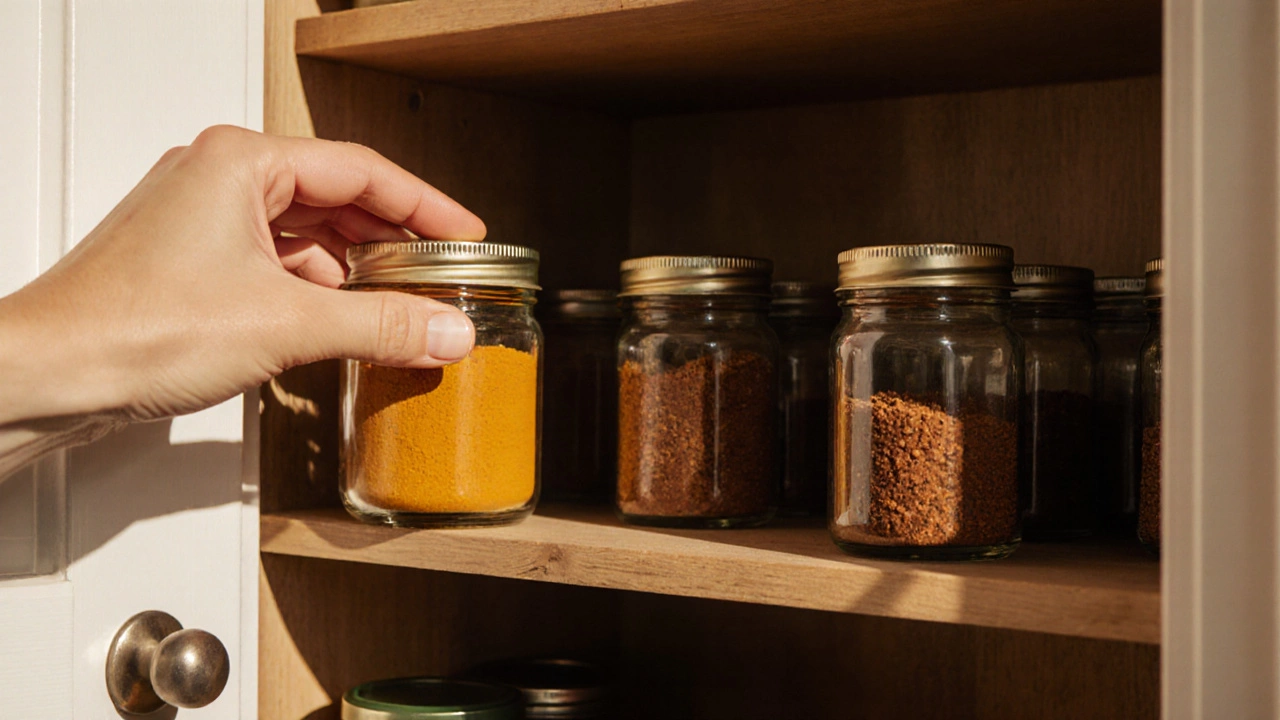
You don’t need a fancy kitchen to make your own spice blends. A dry pan, a mortar and pestle, and 10 minutes are all it takes. Start with the basics: cumin, coriander, turmeric, cinnamon, cardamom, cloves, and black pepper. Toast them lightly until they smell rich, then grind fine. Store in a dark jar away from heat. You’ll notice the difference in every dish—from dal to biryani to even roasted vegetables.
The posts below dive into how these blends are used in real kitchens. You’ll find out why some recipes call for adding spice blend at the start, others at the end. You’ll learn how to fix a bland curry by adjusting your blend. You’ll even see how a pinch of asafoetida in your garam masala can change the whole game. This isn’t theory—it’s what people cook with every day in homes across India. Whether you’re making paneer tikka masala or just spicing up rice, the right blend makes all the difference. Let’s get into what works, what doesn’t, and how to make your own.