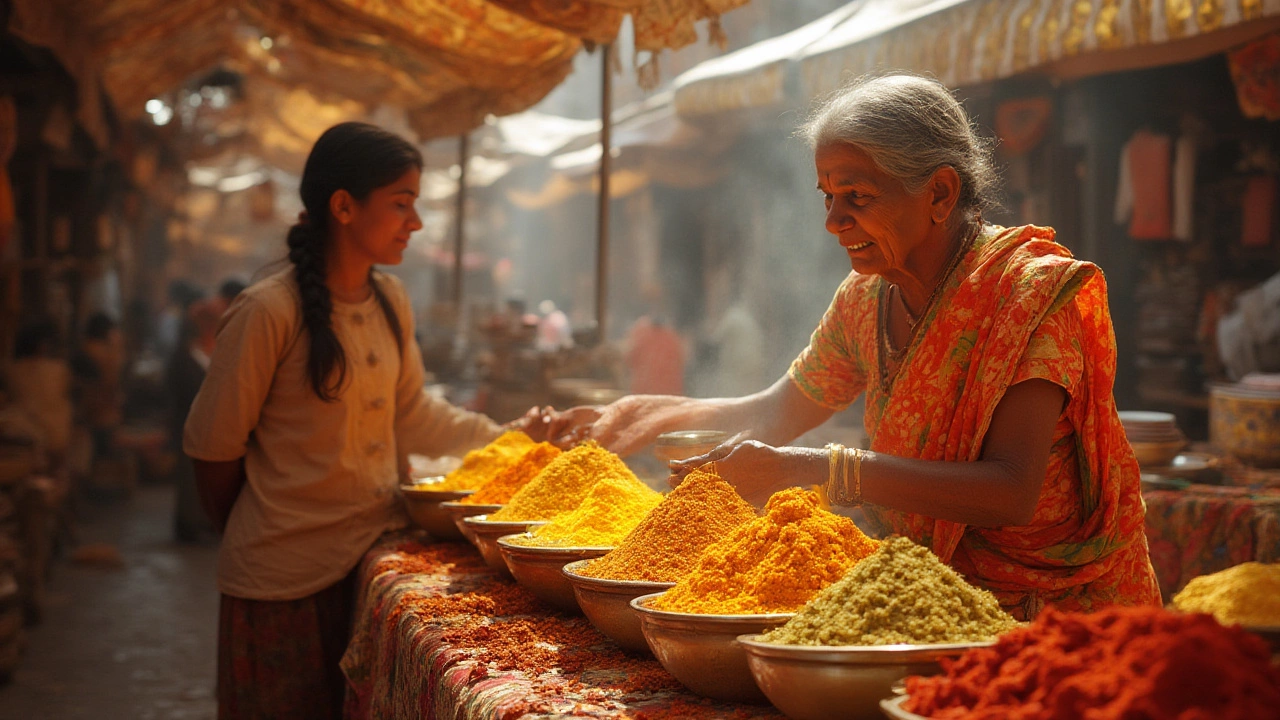
Spice Blends: Authentic Indian Mixes for Flavor-Packed Meals
When you think of Indian food, you’re really thinking of spice blends, custom mixtures of toasted and ground spices that form the backbone of flavor in Indian kitchens. Also known as masalas, these blends aren’t just seasonings—they’re the soul of the dish, turning simple ingredients into unforgettable meals. Unlike pre-packaged curry powders you find abroad, Indian spice blends are made fresh, often roasted to unlock their oils, and tailored to regional tastes. A garam masala from North India tastes different from one in Kerala, not because of one extra spice, but because of how each one is balanced—cinnamon with black cardamom, cumin with coriander, cloves with fennel.
These blends don’t just add heat—they build depth. garam masala, a warm, aromatic mix typically used at the end of cooking to preserve its fragrance is the final flourish in a butter chicken or dal. curry powder, a British-influenced blend often used as a shortcut, but rarely found in traditional Indian homes is more of a convenience product. Real Indian cooking uses smaller, purpose-driven blends like panch phoron (five-spice blend from Bengal) or sambar powder (tangy, lentil-based for South Indian stews). These aren’t interchangeable. Using the wrong one is like swapping salt for sugar—you’ll still get flavor, but not the right one.
What makes these blends so powerful isn’t the number of spices—it’s the technique. Toasting them before grinding unlocks hidden notes. Storing them in airtight jars away from light keeps them alive. And using them at the right moment—early to build base flavor, or late to brighten the dish—makes all the difference. You’ll find this in the posts below: how to make your own garam masala without a recipe, why store-bought blends fall flat, and how a pinch of asafoetida can transform a simple lentil dish. You’ll also learn how chutneys and spice blends work together, why some masalas are used only in winter, and how to fix a bland curry by adjusting your spice mix, not just adding salt.
Spice blends are where tradition meets daily practice. They don’t need fancy tools—just a dry pan, a mortar and pestle, and a little patience. The magic isn’t in the ingredients you buy—it’s in how you use them. Below, you’ll find real, tested ways to get the most out of these blends, whether you’re making biryani, dal, or just spicing up your rice. No guesswork. No confusion. Just flavor that sticks.