Sugar Alternatives: Natural Swaps for Sweetness Without the Crash
When you think of sugar alternatives, natural substitutes for refined white sugar used to reduce calories and blood sugar spikes. Also known as sweeteners, they’re not just for dieters—they’re a smart fix for anyone tired of energy crashes after lunch. In India, where sweets are part of daily life, cutting sugar doesn’t mean giving up flavor. It means switching to what’s been used for centuries: jaggery, dates, stevia leaves, and even roasted cumin powder to trick your brain into tasting sweetness.
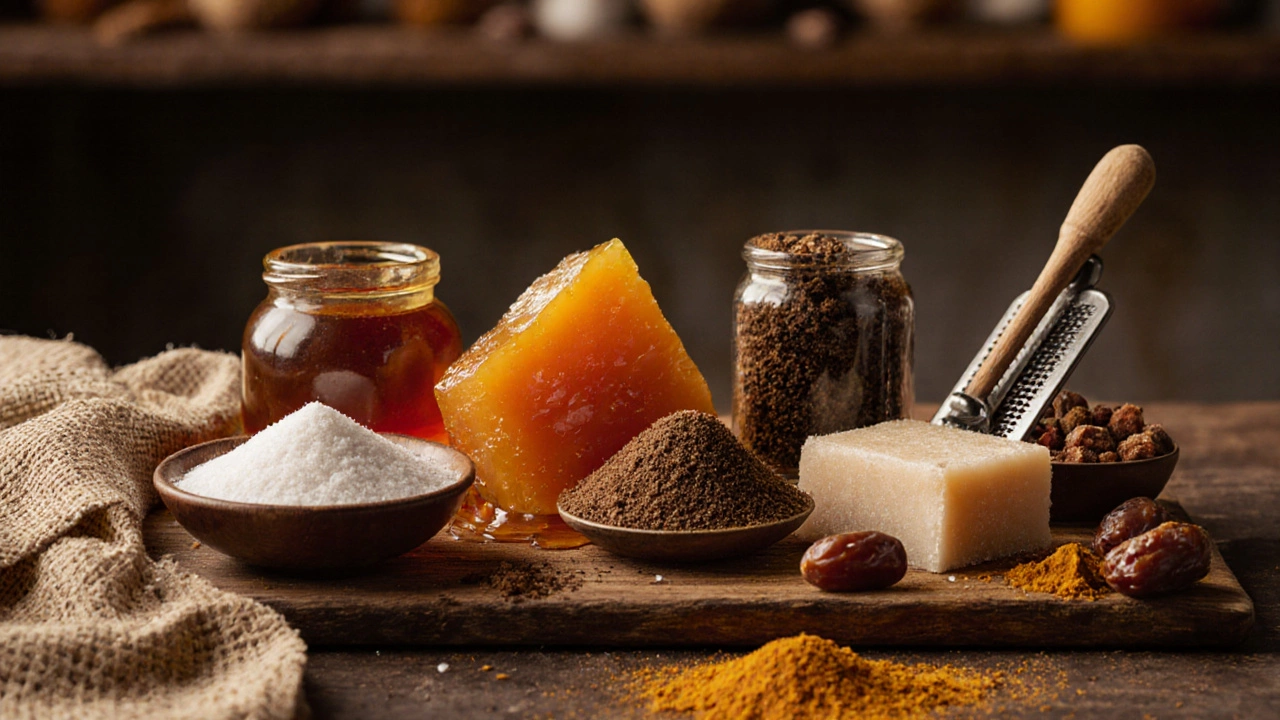
Not all sugar alternatives are created equal. jaggery, unrefined cane sugar made by boiling sugarcane juice, rich in minerals and used in Indian sweets and chai is a favorite in rural kitchens and still common in temple prasadam. Unlike white sugar, it breaks down slower and carries a molasses-like depth. Then there’s stevia, a zero-calorie plant-based sweetener from leaves native to South America, now grown in parts of India. It’s 200 times sweeter than sugar, so a pinch does the job—perfect for tea or yogurt. But here’s the catch: store-bought stevia powders often come with fillers like maltodextrin, which spike blood sugar. Pure stevia leaf powder? That’s the real deal.
And don’t overlook dates, naturally sweet dried fruit used in Indian desserts, energy balls, and even savory chutneys as a binder. Blend them into a paste, and they replace sugar in cakes, cookies, and oatmeal. They add fiber, potassium, and a caramel note you can’t get from artificial sweeteners. Even honey, a traditional Indian remedy and sweetener, especially raw and local, works if you use it sparingly—its fructose content means it still affects blood sugar, but it comes with enzymes and antioxidants white sugar doesn’t have.
What’s missing from most sugar-free diets? Context. You won’t find people in rural India eating sugar-free desserts—they eat less sugar overall because their meals aren’t loaded with packaged snacks, sweetened tea, or bottled juices. The real problem isn’t jaggery in ladoos—it’s the sugar hidden in packaged masala chai mixes, flavored yogurts, and ready-to-eat breakfast cereals. Switching to sugar alternatives only helps if you’re also cutting the hidden stuff.
Some people swear by monk fruit or erythritol, but in Indian homes, the best alternatives are the ones you can buy at the local market without a label. Roasted flaxseed powder adds a nutty sweetness to lassi. Coconut sugar, though imported, is gaining ground for its low glycemic index. Even a pinch of cardamom or cinnamon can make plain yogurt taste indulgent without a single grain of sugar.
You don’t need to eliminate sweetness. You just need to rethink where it comes from. The posts below show how real people in Indian kitchens are using these swaps—not in fancy labs, but in everyday cooking. From reducing sugar in paneer desserts to making sugar-free chutneys that still pack a punch, you’ll find practical, no-nonsense ways to enjoy flavor without the crash.