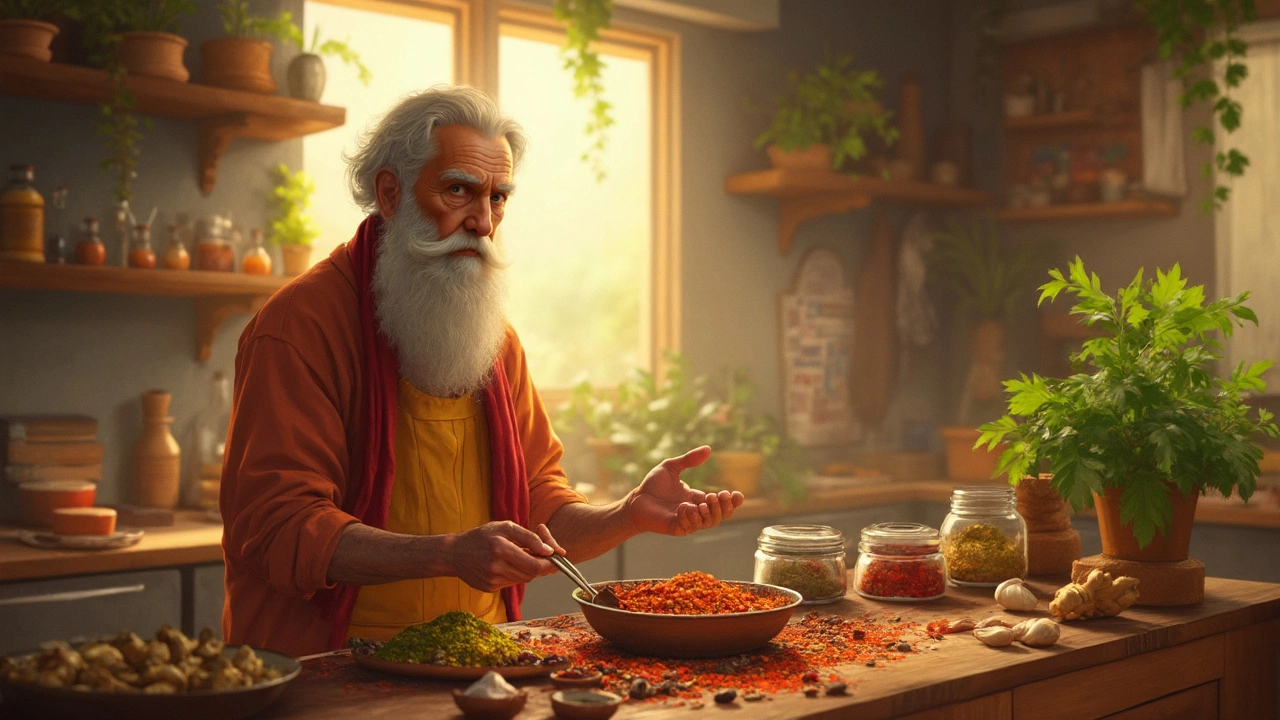
Traditional Curry Ingredients: The Real Spices and Staples Behind Authentic Indian Flavor
When you think of traditional curry ingredients, the foundational spices and aromatics that form the base of Indian curries. Also known as curry base, it's not a single spice but a carefully balanced blend passed down through generations. Most people assume curry powder is the secret—but that’s a colonial invention. Real Indian curries start with whole spices toasted in oil, then ground fresh or used as-is. The magic isn’t in a pre-mixed jar. It’s in the rhythm of adding cumin, mustard seeds, dried chilies, and fenugreek at the right moment.
At the heart of every authentic curry are five non-negotiables: turmeric, the golden root that gives color and anti-inflammatory power, cumin, earthy and warm, toasted to unlock its oil, coriander, citrusy and floral, balancing heat with depth, and dry red chilies, not just for spice, but for smoky complexity. Then there’s asafoetida—yes, that pungent powder that smells like onions and garlic when raw but melts into savory umami when fried. It’s the secret weapon in vegetarian curries, especially in South India. You won’t find it in most Western spice racks, but it’s as essential as salt.
These aren’t just ingredients—they’re a system. The order you add them changes everything. Toast cumin first, then add turmeric so it doesn’t burn. Add tomatoes after the spices bloom, letting them break down slowly. Coconut milk or yogurt comes last, to keep the acidity from killing the spice oils. Even the type of oil matters—mustard oil in Bengal, groundnut in Gujarat, coconut oil in Kerala. Each region has its own signature, but the rules are the same: fresh, whole, and slow-cooked.
Look at the posts below. You’ll see how chicken curry gets its depth from browning meat before adding spices. How dal needs to be simmered just right to let the spices meld. How chutney isn’t just a side—it’s a flavor bridge that ties the curry together. You’ll find out why store-bought curry powders taste flat, and how real Indian kitchens never use them. This isn’t about following a recipe. It’s about understanding the logic behind the layers.