Umami in Indian Cooking: The Secret Flavor Behind Rich Dals, Curries, and Chutneys
When you taste a bowl of umami, the savory, meaty taste that makes food feel deeply satisfying. Also known as savory depth, it’s what makes you take another bite without thinking about it. You might think it’s something you only find in soy sauce or aged Parmesan—but Indian kitchens have been building umami for centuries, long before the word existed. It’s in the slow-roasted onions in your butter chicken, the toasted cumin in your dal, and the fermented tamarind in your chutney. This isn’t magic—it’s technique.
Indian cooking doesn’t need MSG to deliver umami. It uses what’s already in the pantry. dal, lentils cooked until soft and rich, releases glutamates as they break down, especially when simmered with tomatoes or roasted spices. chutney, fermented condiments made from tamarind, coconut, or mint adds another layer—microbes break down sugars and proteins into savory compounds you can’t replicate with vinegar alone. Even paneer, fresh Indian cheese that soaks up spice and moisture gains umami when grilled or fried, thanks to the Maillard reaction. These aren’t side notes—they’re the backbone of flavor.
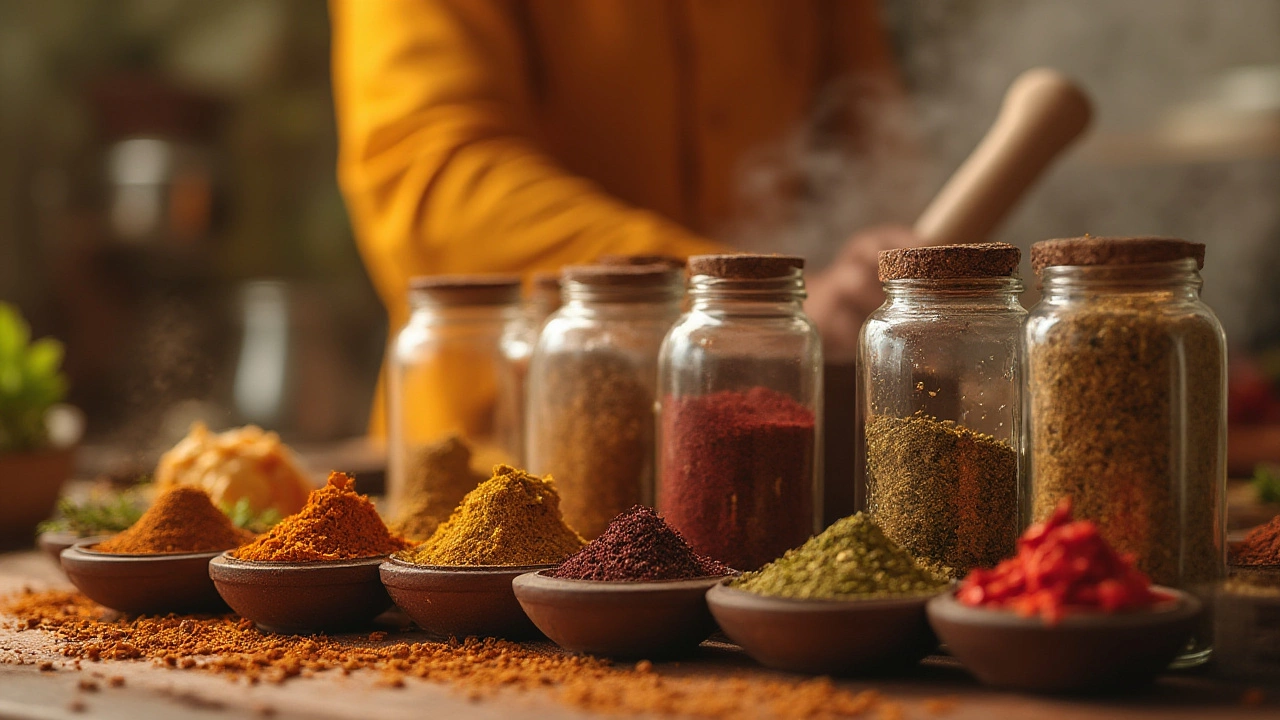
Look at any recipe here: browning chicken before curry? That’s umami building. Toasting spices before adding water? More umami. Letting dal simmer for 40 minutes instead of 15? That’s time turning starches into savory goodness. You don’t need fancy ingredients. You need patience, heat, and a little fermentation. The posts below show you exactly how Indian home cooks unlock this flavor—without a single packet of powder. Whether you’re fixing hard paneer, perfecting your dal ratio, or making chutney that actually tastes like it came from a street stall, you’re not just cooking. You’re unlocking taste.