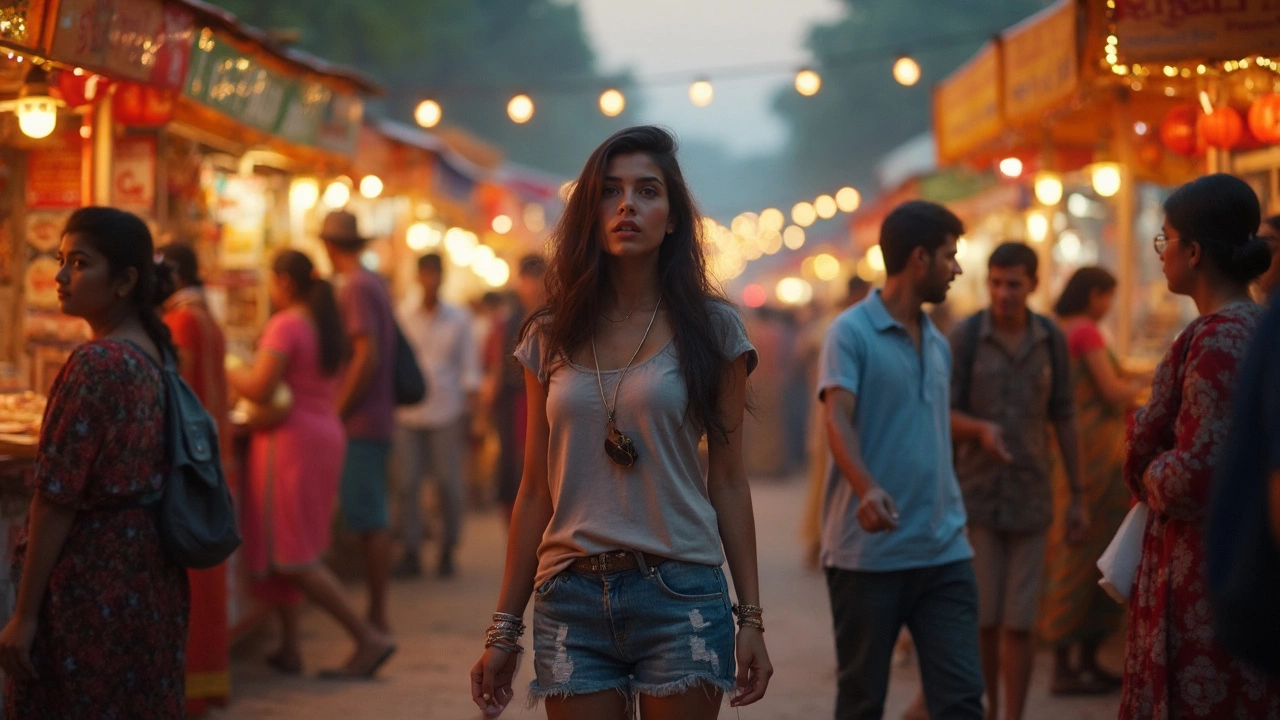
What to Wear in India
When you're planning a trip to India, what to wear in India, the clothing choices that respect local culture, climate, and religious norms. Also known as Indian dress etiquette, it's not just about comfort—it's about showing respect. This isn't about packing formal wear or following strict rules. It's about understanding how clothes connect to daily life here—from bustling markets in Delhi to quiet temples in Varanasi.
Many travelers assume India is all saris and turbans, but the truth is more practical. In cities like Mumbai or Bangalore, you'll see jeans, t-shirts, and dresses everywhere. But in smaller towns, rural areas, and especially near religious sites, modesty matters. Covering shoulders and knees isn't just polite—it’s expected. Women often wear kurtas or long skirts, and men avoid sleeveless tops near temples. Even in hot weather, lightweight cotton is better than tight or sheer fabrics. The modest dress in India, a style of clothing that covers the body respectfully, especially in religious or conservative settings isn't about hiding; it's about fitting in. And when you do, people respond differently—more welcoming, more helpful.
Climate also changes what you need. Summer in Rajasthan means light, loose clothes and head coverings for sun protection. Winter in Delhi? Layers. A light shawl or scarf isn’t just for warmth—it’s handy for covering your head when entering a gurdwara or mosque. Footwear matters too. You’ll often take off shoes before entering homes, temples, and even some shops. Pack slip-ons. And forget flip-flops for long walks—they’re not practical on uneven streets. The cultural attire in India, traditional garments worn during festivals, rituals, or daily life, varying by region and religion might look beautiful, but you don’t need to buy one. Just know what to avoid: shorts in religious spaces, tank tops near temples, and revealing outfits in conservative areas.
What you wear can open doors. A simple cotton kurta or a long dress with a scarf gets you more smiles than a bikini at a beachside town. It tells people you’re trying to understand, not just visit. And when you’re eating street food in Jaipur or riding a rickshaw in Kolkata, dressing right means less attention, fewer stares, and more authentic experiences. You’ll find that locals appreciate the effort—even if you get it slightly wrong.
Below, you’ll find real advice from people who’ve been there—not just what to pack, but how to move through India with confidence. From what to wear during Diwali to how to dress for a train journey across the country, these posts give you the practical details you won’t find in guidebooks. No fluff. Just what works.