Chutney Vinegar Selector
Select your main ingredient and the style of chutney you want to make.
Recommended Vinegar
Why this works:
Have you ever opened a jar of homemade chutney only to find it has turned into a mushy, overly sour mess? Or maybe the flavor was just... off. It tasted like pickles instead of that bright, tangy fruit explosion you were aiming for. The culprit is almost always the vinegar. In chutney making, vinegar isn't just an ingredient; it’s the backbone. It preserves the food, balances the sugar, and sets the texture. But not all vinegars are created equal. Choosing the wrong one can ruin months of careful cooking.
You don't need a chemistry degree to get this right. You just need to know which bottle to reach for. Whether you are making a classic sweet mango chutney or a sharp relish-style onion chutney, the type of vinegar you use dictates the final character of the dish. Let's break down exactly which vinegar works best for which style of chutney, so you can stop guessing and start preserving with confidence.
Why Vinegar Matters in Chutney
Before we talk about brands or types, let's look at why vinegar is non-negotiable. Sugar makes chutney taste good, but vinegar keeps it safe. When you combine high acidity (vinegar) with high sugar and heat, you create an environment where harmful bacteria struggle to survive. This is the science behind preservation.
Vinegar also acts as a flavor anchor. Without it, a fruit chutney would just be cooked jam. The acid cuts through the sweetness and enhances the natural flavors of the spices-cinnamon, cloves, ginger, and mustard seeds pop more when balanced by acidity. Think of it like salt in savory dishes; it doesn't make things taste salty, it makes them taste *more*.
Can I use any type of vinegar for chutney?
Technically yes, but practically no. Using the wrong vinegar can overpower the fruit or fail to preserve it properly. Always use distilled vinegar with at least 5% acidity for safety.
The Gold Standard: Apple Cider Vinegar
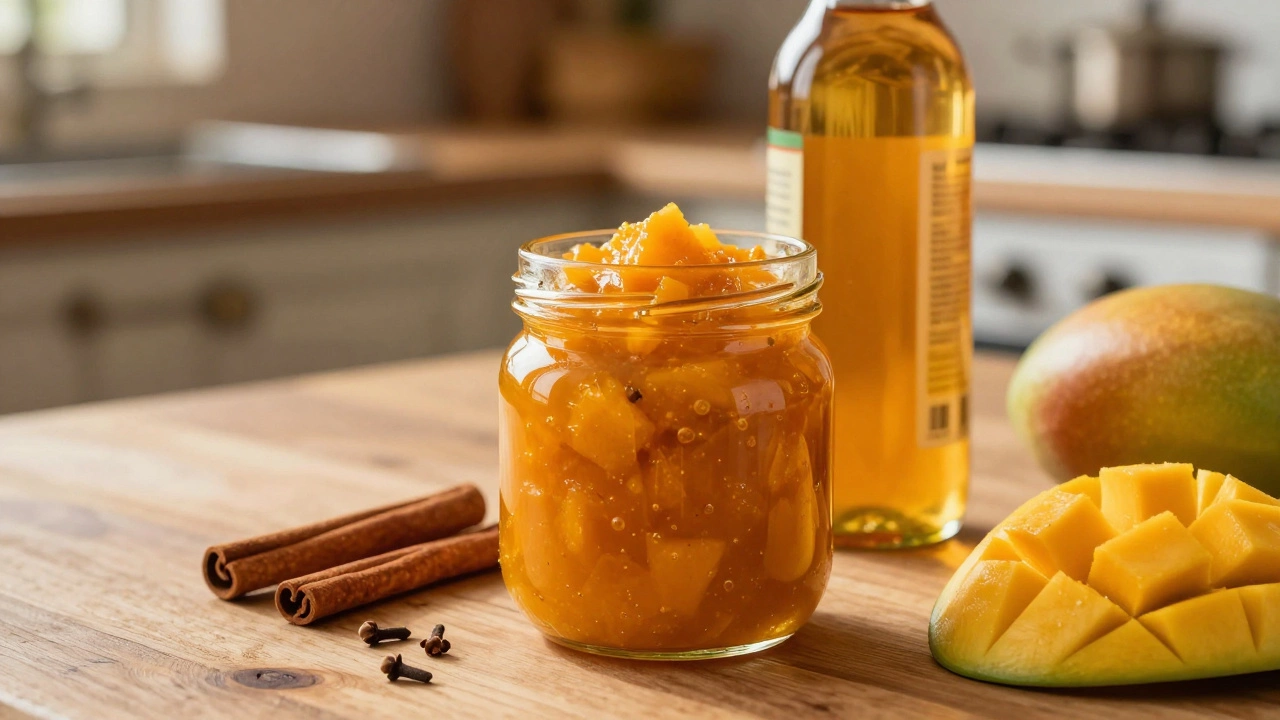
If you are making traditional fruit chutneys, especially those featuring apples, pears, plums, or mangoes, apple cider vinegar is your best friend. It brings a warm, fruity depth that complements the main ingredients without shouting for attention. Unlike harsher vinegars, apple cider vinegar has a rounded flavor profile that feels natural in sweet-and-sour applications.
It is particularly effective in "English-style" chutneys, which are thick, dark, and rich with spices. The slight brown color of unfiltered apple cider vinegar also contributes to the deep amber hue expected in these recipes. If you want a chutney that tastes like it came from a grandmother's pantry, this is the choice.
- Best For: Mango chutney, apple chutney, plum chutney, and tomato-based relishes.
- Flavor Profile: Fruity, mild, slightly sweet undertones.
- Texture Impact: Helps set the pectin in fruits naturally, leading to a thicker consistency.
Pro tip: Look for "raw, unfiltered" apple cider vinegar if you can find it. While filtered versions work fine for cooking, the unfiltered kind contains more complex compounds that add subtle layers of flavor. However, for clarity in lighter chutneys, filtered is perfectly acceptable.
The Neutral Player: White Distilled Vinegar
Sometimes, you don't want the vinegar to have a personality. You want it to do its job-preserve and sharpen-and then step back. That’s where white distilled vinegar comes in. It is clear, potent, and has a very sharp, clean bite. Because it lacks the fruity notes of cider vinegar, it won't clash with delicate ingredients or alter the color of light-colored chutneys.
This is the go-to choice for vegetable-heavy chutneys or relishes where you want the crunch and fresh taste of onions, peppers, or cucumbers to shine. It is also essential if you are making a chutney that will be served alongside strong cheeses or cured meats, as its sharpness cuts through fat effectively.
- Best For: Onion chutney, cucumber relish, jalapeño chutney, and light fruit blends like strawberry or raspberry.
- Flavor Profile: Sharp, clean, neutral, intense acidity.
- Visual Impact: Keeps light-colored chutneys bright and translucent.
A common mistake here is using too much. White vinegar is aggressive. Start with half the amount you think you need, taste, and adjust. It is easier to add more than to fix a chutney that tastes like cleaning fluid.
The Bold Choice: Red Wine Vinegar
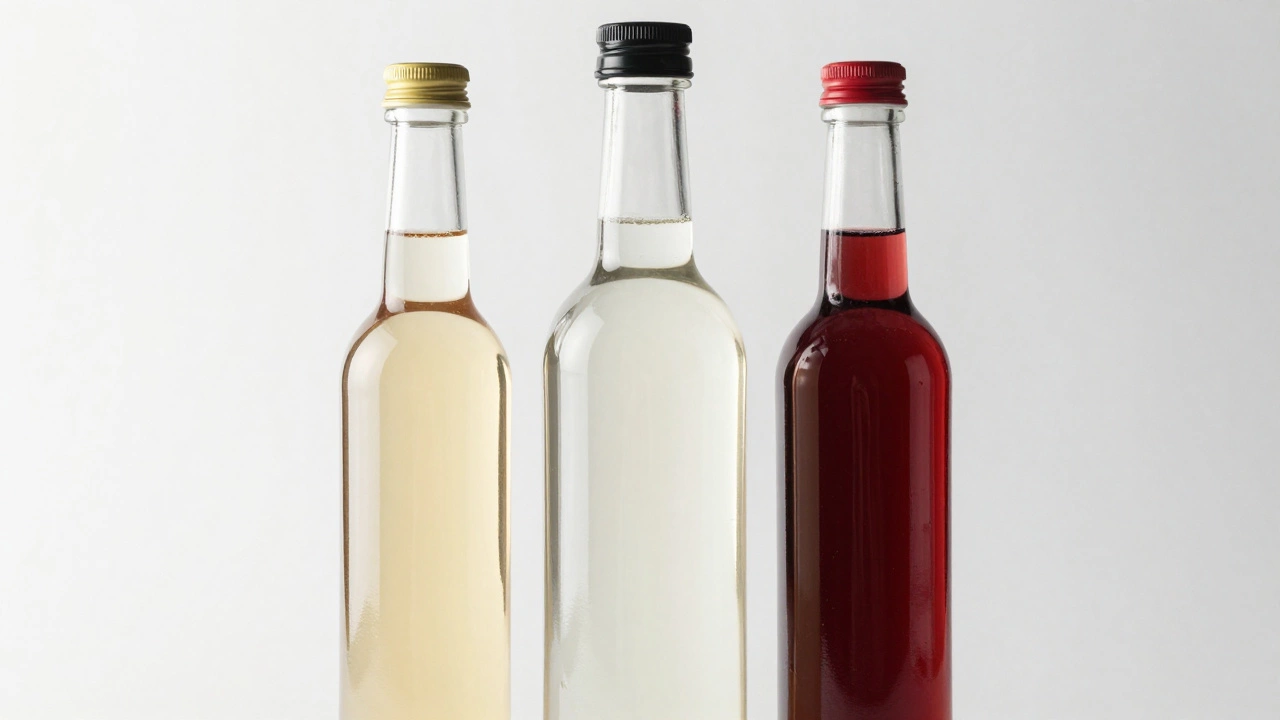
Want to elevate your chutney from "homemade" to "gourmet"? Swap in red wine vinegar. This vinegar adds a sophisticated, tannic complexity that pairs beautifully with robust ingredients. It is less sweet than apple cider vinegar and less harsh than white vinegar, sitting somewhere in between with a distinct earthy note.
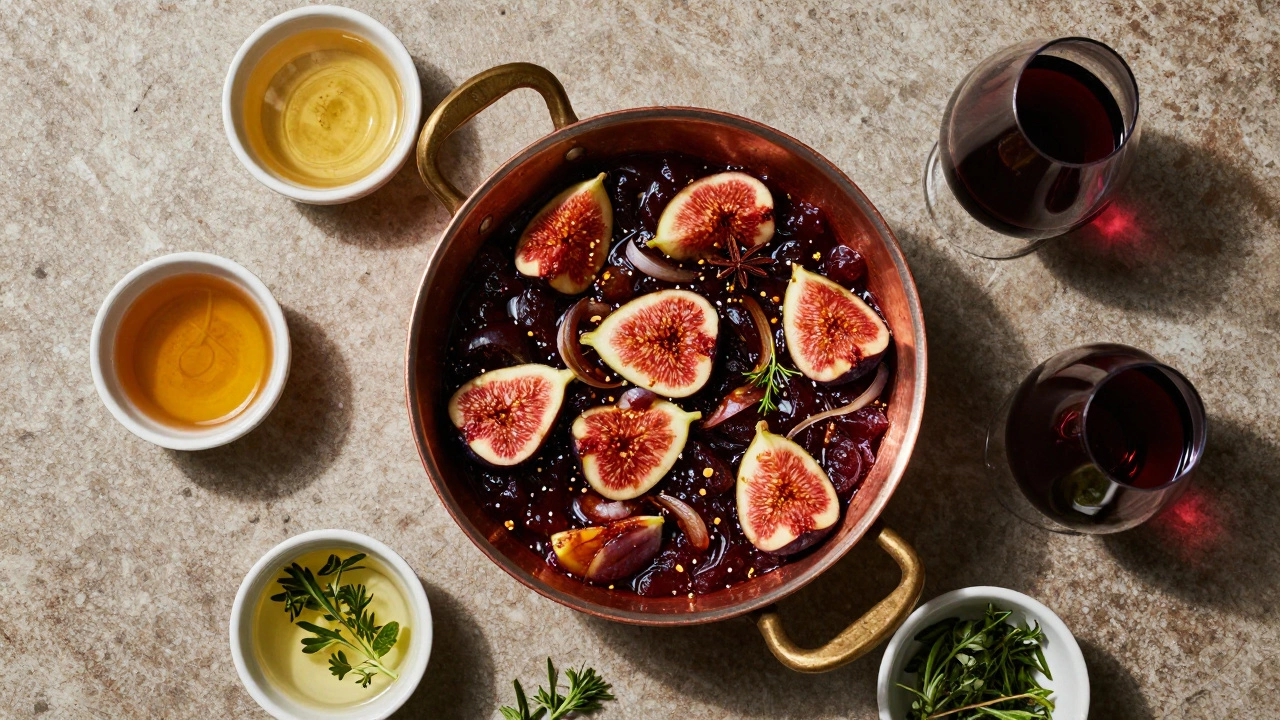
Red wine vinegar shines in chutneys made with dried fruits, such as figs, raisins, or dates. It also works wonders with meat-centric accompaniments. Imagine a chutney made with beef stock reduction, red onions, and balsamic touches-red wine vinegar ties those elements together seamlessly.
- Best For: Fig chutney, date chutney, beef-cheese board accompaniments, and savory mushroom chutneys.
- Flavor Profile: Earthy, tannic, complex, slightly dry.
- Culinary Pairing: Excellent with aged cheeses, charcuterie, and roasted meats.
Note that red wine vinegar can darken your chutney significantly. If you are aiming for a vibrant orange mango chutney, skip this one. But for a deep, mahogany-colored spread for Christmas ham or roast pork, it is unbeatable.
What About Balsamic Vinegar?
Balsamic vinegar is trendy, but it is tricky in chutney making. Traditional aged balsamic is thick, syrupy, and intensely sweet. Modern commercial balsamic is thinner but still carries a heavy molasses-like sweetness. Because chutney already requires significant amounts of sugar or honey, adding balsamic can push the balance too far into dessert territory.
If you love the flavor, use it sparingly. Add a tablespoon at the very end of cooking, after you have removed the pot from heat. This prevents the sugars in the balsamic from burning and allows you to control the sweetness level. Never use balsamic as your primary preservative acid; its acidity is often lower and less consistent than distilled varieties.
Vinegars to Avoid
Not every vinegar belongs in a chutney jar. Here are the ones you should generally keep on the shelf:
- Rice Vinegar: Too mild and slightly sweet. It lacks the punch needed to preserve high-sugar mixtures safely over long periods. It works better in Asian-inspired quick pickles than in slow-cooked chutneys.
- Malt Vinegar: Unless you are making a specific British fish-and-chips dip, avoid it. Its strong, nutty, beer-like flavor overwhelms most fruits and vegetables.
- White Wine Vinegar: This is actually a great alternative to red wine vinegar if you want something lighter. It is not bad, just less versatile than apple cider or white distilled. Use it if you have it, but don't buy it specifically for chutney unless you prefer its floral notes.
How Much Vinegar Should You Use?
There is no single rule, but there is a reliable ratio. A good starting point for most fruit chutneys is a 1:1 ratio of vinegar to water by volume, or simply using straight vinegar if the recipe calls for liquid. For every cup of fruit, aim for about 1/4 to 1/2 cup of vinegar. The key is to ensure the final pH is below 4.6 for safe water-bath canning.
If you are unsure, use a pH meter. It’s a small investment that pays off in peace of mind. If you don’t have one, stick to tested recipes from reputable sources like the USDA National Center for Home Food Preservation. They provide guidelines based on years of scientific testing.
| Chutney Type | Best Vinegar | Why? |
|---|---|---|
| Mango / Tropical Fruit | Apple Cider Vinegar | Complements tropical sweetness without overpowering |
| Onion / Vegetable Relish | White Distilled Vinegar | Sharp, clean, keeps colors bright |
| Dried Fruit / Fig | Red Wine Vinegar | Adds depth and pairs with rich flavors |
| Spicy Jalapeño | White Distilled Vinegar | Cuts heat and provides crisp finish |
| Tomato-Based | Apple Cider or Red Wine | Enhances umami and balances acidity |
Troubleshooting Common Issues
My chutney is too sour. Don't panic. Taste it after it cools slightly, as hot food tastes less sweet. If it's still too sharp, stir in a little extra sugar or honey. Remember, the flavor will mellow as it ages in the jar.
My chutney is runny. This usually means you didn't cook it long enough to reduce the liquid, or you added too much vinegar. Next time, simmer until it reaches the setting point (around 220°F or 104°C). You can also add a teaspoon of pectin next time to help it gel.
The color looks dull. If you used apple cider vinegar, this is normal. If you wanted a brighter color, switch to white distilled vinegar next time. Also, avoid overcooking, which can darken fruits unnecessarily.
Final Thoughts on Experimentation
While apple cider vinegar is the safest bet for beginners, don't be afraid to experiment once you understand the basics. Try blending half apple cider and half red wine vinegar for a unique twist on a peach chutney. Or add a splash of lemon juice along with white vinegar for extra brightness. The kitchen is your lab. Just remember to respect the science of preservation. Keep your jars clean, follow tested ratios, and store them in a cool, dark place. With the right vinegar, your chutney will last for months and taste incredible every time you open a jar.
Can I substitute lemon juice for vinegar in chutney?
Lemon juice can complement vinegar, but it should not replace it entirely for long-term preservation. Lemon juice acidity varies widely, whereas distilled vinegar has a consistent 5% acidity, which is crucial for safety in canning.
Does the brand of vinegar matter?
For basic preservation, any standard brand with 5% acidity works. For flavor, higher-quality artisanal vinegars can make a difference, especially in simple recipes where the vinegar is a dominant note.
How long does homemade chutney last?
Properly canned chutney lasts 12-18 months in a pantry. Once opened, store it in the refrigerator and consume within 3-4 weeks for best quality.
Can I use rice vinegar for mango chutney?
It is not recommended for long-term storage due to lower acidity. If you are making a quick chutney to eat within a week, rice vinegar offers a nice mild flavor, but for canning, stick to apple cider or white distilled.
Why does my chutney separate?
Separation often happens if the chutney wasn't cooked long enough to dissolve the sugar fully, or if it cooled too quickly. Stirring constantly during the final stages of cooking helps emulsify the mixture.