Curry Flavor Layer Builder
Build your perfect curry by selecting one option from each flavor layer.
Your Custom Recipe
Make selections on the left and click generate to see your tailored instructions.
Have you ever wondered why your homemade curry never quite tastes like the one from your favorite restaurant? It’s rarely about the meat or vegetables. The secret lies in the foundation-the specific blend of spices, aromatics, and pastes that build the flavor profile before a single drop of liquid is added. Understanding these core components transforms cooking from following a recipe to mastering a technique.
Curry isn't a single dish; it's a category of dishes defined by their use of complex spice blends. Whether you are making a creamy Chicken Curry is a popular dish featuring tender chicken cooked in a spiced sauce, often using tomatoes, onions, and cream or coconut milk as a base. or a vegetable stew, the ingredients fall into distinct layers. Mastering these layers allows you to create authentic flavors without needing ten different recipes for every variation.
The Aromatic Base: Onions, Garlic, and Ginger
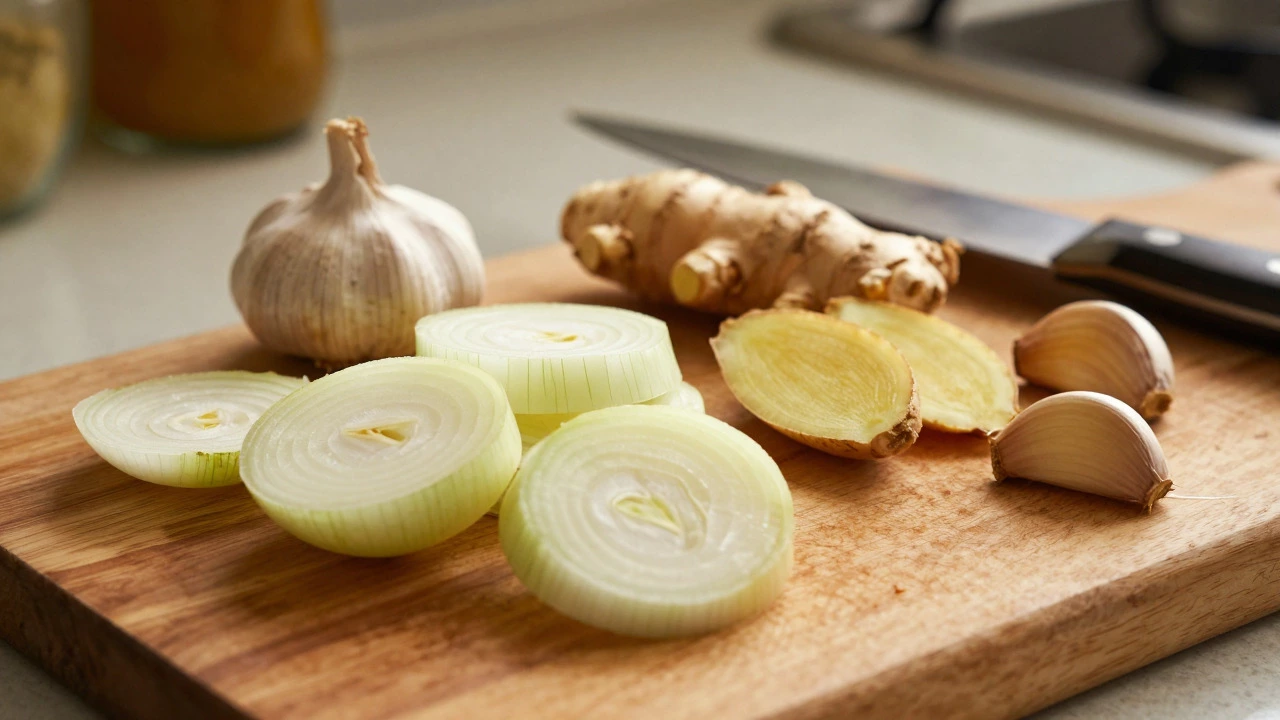
Every great curry starts with what cooks call the "trinity" of aromatics. In South Asian cuisine, this usually means onions, garlic, and ginger. These aren't just optional garnishes; they provide the body and sweetness that balance the heat of the chilies.
Onions are the backbone. When caramelized slowly until deep golden brown, they release natural sugars that prevent the curry from tasting metallic or overly sharp. This process, known as Bhunao is the Indian cooking technique of frying onions and spices until the oil separates and the mixture turns dark brown., takes time but is non-negotiable for depth. If you rush this step, your curry will taste raw and disjointed.
Garlic and ginger are typically used fresh rather than dried. Fresh ginger adds a zesty, peppery warmth, while garlic provides pungency. Many home cooks make a mistake by adding these at the very end. Instead, they should be sautéed immediately after the onions soften. This releases their essential oils into the fat, distributing the flavor evenly throughout the dish.
- Onions: Use yellow or white onions. Red onions can turn the sauce purple and add unwanted sweetness.
- Ginger: Peel and grate or mince finely. A 1-inch piece is standard for a family-sized pot.
- Garlic: Minced cloves work best. Powdered garlic lacks the volatile compounds needed for fresh aroma.
The Spice Layer: Whole vs. Ground
This is where most confusion arises. People often ask if they need "curry powder." While convenient, pre-mixed curry powders vary wildly in quality and composition. Authentic curries rely on individual spices toasted and ground fresh, or added whole to infuse the oil.
Whole spices release flavor gradually when fried in hot oil. This technique is called blooming. Common whole spices include cumin seeds, mustard seeds, and bay leaves. They pop and sizzle, signaling that their aromatic compounds are being activated. If you skip blooming, these spices remain dormant, resulting in a flat-tasting dish.
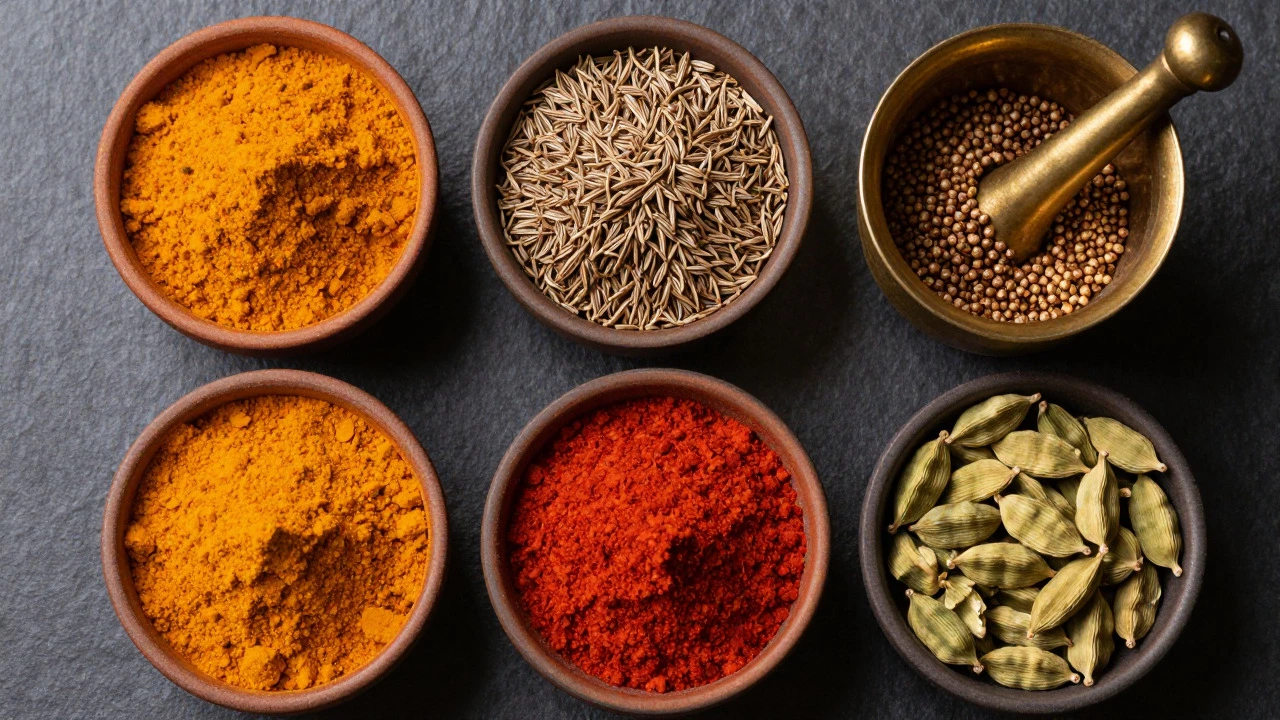
Ground spices are added after the aromatics have softened. The most critical ones include:
| Spice | Flavor Profile | Role in Curry |
|---|---|---|
| Turmeric is a bright yellow root spice known for its earthy flavor and anti-inflammatory properties. | Earthy, slightly bitter | Provides color and foundational warmth |
| Cumin is a seed with a warm, nutty, and earthy flavor commonly used in Indian and Mexican cuisines. | Nutty, earthy | Adds depth and richness |
| Coriander is a citrusy, floral spice made from dried coriander seeds, distinct from the leaf herb cilantro.. | Citrusy, floral | Balances heavy spices with brightness |
| Garam Masala is a blend of warming spices like cardamom, cinnamon, and cloves, added at the end of cooking. | Warm, sweet, aromatic | Finishing spice for aroma |
Note that Garam Masala is usually added at the very end of cooking. Adding it too early causes the delicate volatile oils to evaporate, leaving behind only bitterness. Think of it as the perfume of the curry, not the base note.
Heat Sources: Chilies and Peppers
Heat in curry comes from two main sources: fresh chilies and dried chili powder or flakes. Each serves a different purpose. Fresh green chilies, such as Serrano or Thai bird's eye, provide a sharp, grassy heat that cuts through rich sauces. They are often slit lengthwise and added during the sautéing phase.
Dried red chili powder offers a deeper, smokier heat. Kashmiri chili powder is particularly prized because it provides vibrant red color without overwhelming spiciness. For those who prefer mild curries, paprika can substitute for color, though it lacks the characteristic capsaicin kick. Always adjust heat levels incrementally; you can always add more, but you cannot remove it once incorporated.
Liquid Bases: Tomatoes, Coconut, and Yogurt
The liquid component determines the texture and mouthfeel of the curry. Tomato puree or crushed tomatoes are the most common base in North Indian curries. They provide acidity and umami, which help balance the sweetness of caramelized onions. Cooking the tomatoes down until the oil begins to separate ensures the raw tomato taste disappears.
In South Indian and Southeast Asian curries, coconut milk is the star. Full-fat coconut milk creates a luxurious, creamy texture without dairy. It pairs exceptionally well with lemongrass, galangal, and kaffir lime leaves-ingredients found in Thai green curry paste. Light coconut milk works for soups but lacks the richness needed for hearty stews.
Yogurt is another crucial ingredient, especially in dishes like Butter Chicken. It tenderizes the protein and adds tanginess. However, yogurt must be tempered. If you add cold yogurt directly to boiling liquid, it will curdle. Whisk it with a little warm water or broth first, then stir it in off the heat or over very low flame.
Fresh Herbs and Finishing Touches
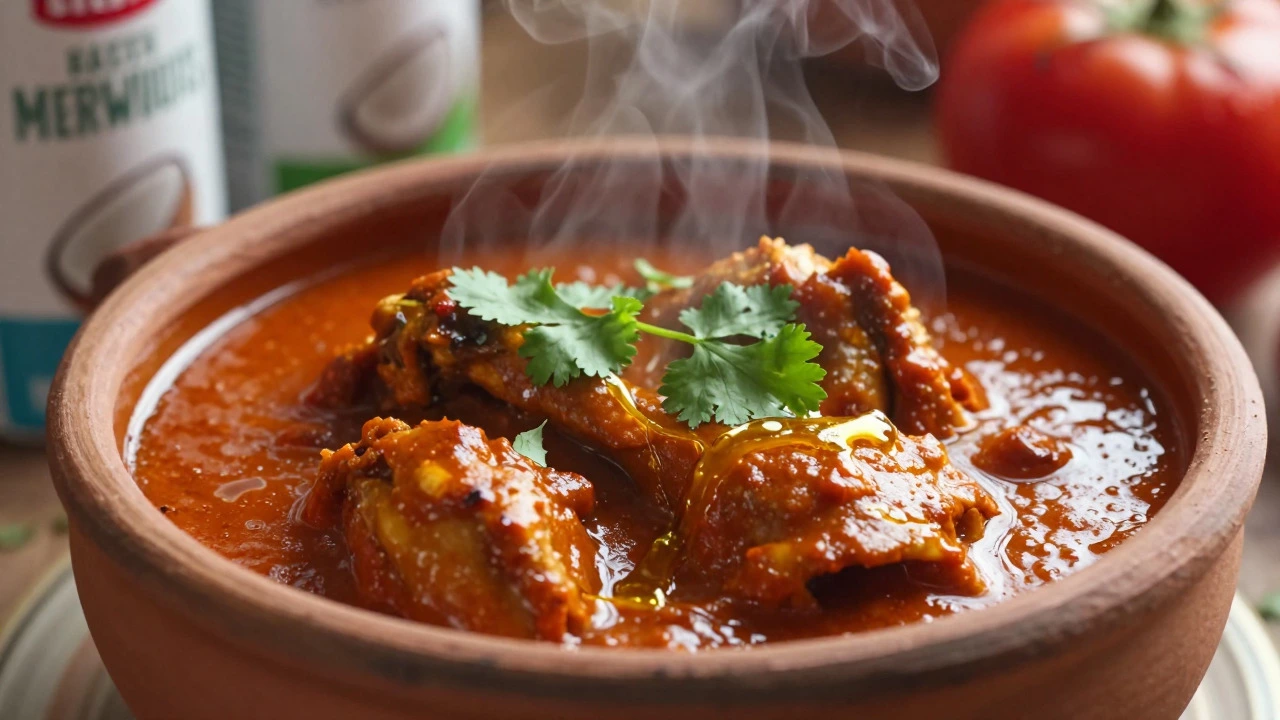
No curry is complete without fresh herbs added at the end. Cilantro (coriander leaves) is the universal finisher, providing a burst of freshness that contrasts with the cooked spices. Mint is also popular, especially in lamb or goat curries, where its coolness balances the gamey flavor.
A final drizzle of ghee or neutral oil just before serving enhances the aroma. This technique, known as tadka or tempering, involves heating spices in fat and pouring them over the finished dish. It adds a glossy sheen and an intense fragrant top note that elevates the entire meal.
Common Mistakes to Avoid
Many home cooks struggle with balancing flavors. Here are three frequent errors:
- Overcrowding the pan: Adding too many ingredients at once lowers the temperature, causing food to steam instead of fry. Cook in batches if necessary.
- Skipping salt: Salt doesn't just make things salty; it amplifies other flavors. Under-salted curries taste bland even if heavily spiced.
- Using old spices: Spices lose potency within six months of grinding. Buy whole spices and grind them yourself for the best results.
By understanding these core ingredients and their roles, you gain the flexibility to adapt any recipe. You no longer need to memorize dozens of variations. Instead, you learn how to build flavor layer by layer, creating curries that are deeply satisfying and authentically complex.
What is the difference between curry powder and garam masala?
Curry powder is a Western invention, typically a blend of turmeric, coriander, cumin, and sometimes fenugreek, designed to mimic Indian flavors. Garam masala is a traditional Indian blend of warming spices like cardamom, cinnamon, cloves, and black pepper, added at the end of cooking for aroma. They are not interchangeable.
Can I use coconut milk in a North Indian chicken curry?
Yes, but it changes the flavor profile significantly. Traditional North Indian curries use yogurt or cream. Coconut milk adds a distinct tropical sweetness and thickness associated with South Indian or Thai cuisines. It works well if you enjoy a richer, sweeter sauce.
Why does my curry taste bitter?
Bitterness usually comes from burning spices or onions. Ensure you cook on medium-low heat and stir frequently. Another cause is adding too much black pepper or cloves. Balance bitterness with a pinch of sugar or a splash of lemon juice.
Do I need to soak spices before using them?
Soaking is optional but helpful for whole spices like fennel or cumin if you want a smoother paste. For dry roasting, no soaking is needed. Soaking softens the seeds, making them easier to grind into a fine consistency for marinades or pastes.
How do I thicken a watery curry?
Simmer uncovered to reduce excess liquid. Alternatively, blend a portion of the cooked onions and tomatoes and stir back in. A slurry of cornstarch and water works in a pinch, but traditional methods rely on reduction and pureed aromatics for better flavor integration.