Interactive Chicken Curry Spice Builder
Adjust Your Blend
Live Preview
Ever opened a jar labeled "Curry Powder" and wondered why your dish tasted flat? You aren't alone. The truth is, there isn't one single "curry spice." That jar in your pantry is likely a pre-mixed blend of dozens of ingredients, often lacking the depth you get from fresh spices. If you want to make a chicken curry recipe that actually tastes like it came from a restaurant-or better yet, your grandmother's kitchen-you need to understand the individual players.
The most popular curry spice isn't just one ingredient; it's a team effort. However, if we had to pick the MVPs, they are turmeric, cumin, and coriander. These three form the backbone of almost every Indian-inspired dish. But knowing which spice does what-and how to use them-is the difference between a muddy mess and a vibrant, aromatic meal.
The Holy Trinity: Turmeric, Cumin, and Coriander
When people ask for the most popular curry spice, they are usually looking for these three. They appear in over 80% of traditional curries. Let’s break down why they matter and how to use them correctly.
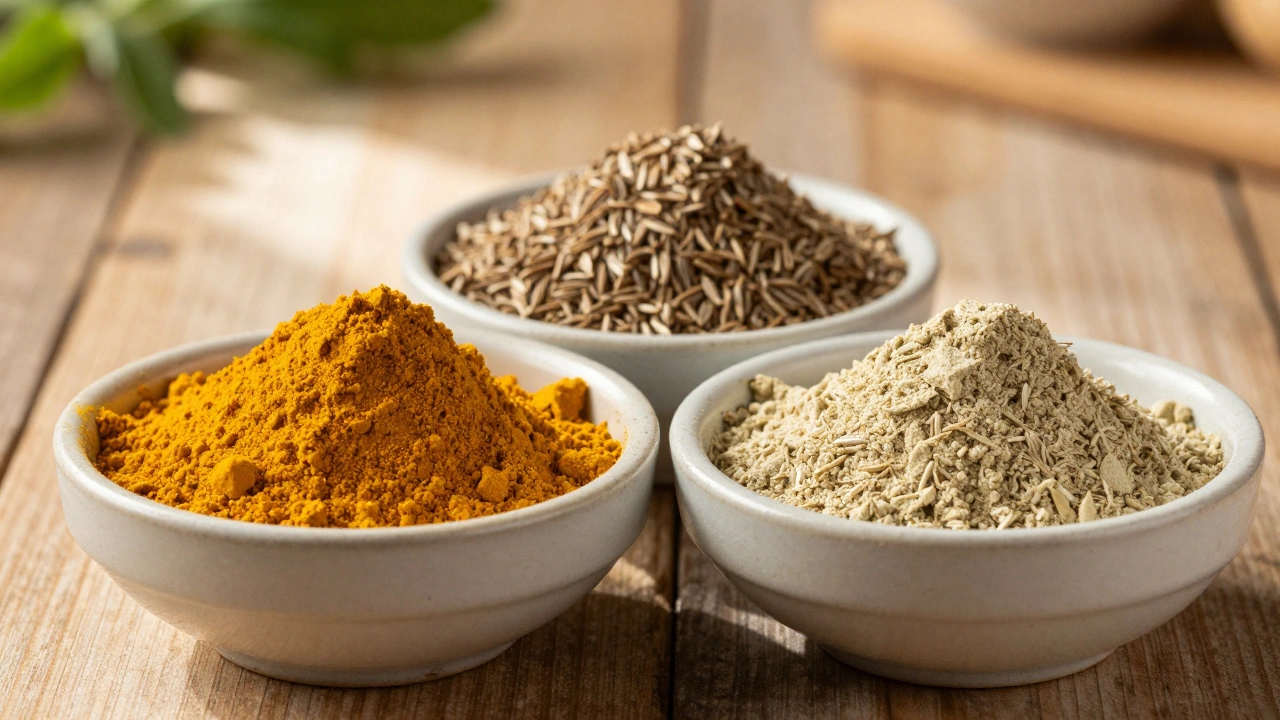
Turmeric is the bright yellow root that gives curry its signature color and earthy flavor. It has a mild, slightly bitter taste on its own, but it pairs beautifully with almost everything. More importantly, it contains curcumin, an anti-inflammatory compound. In cooking, turmeric is rarely used alone because its flavor can be overpowering if you go heavy-handed. A half-teaspoon is usually enough to color a pot of sauce without making it taste like dirt.
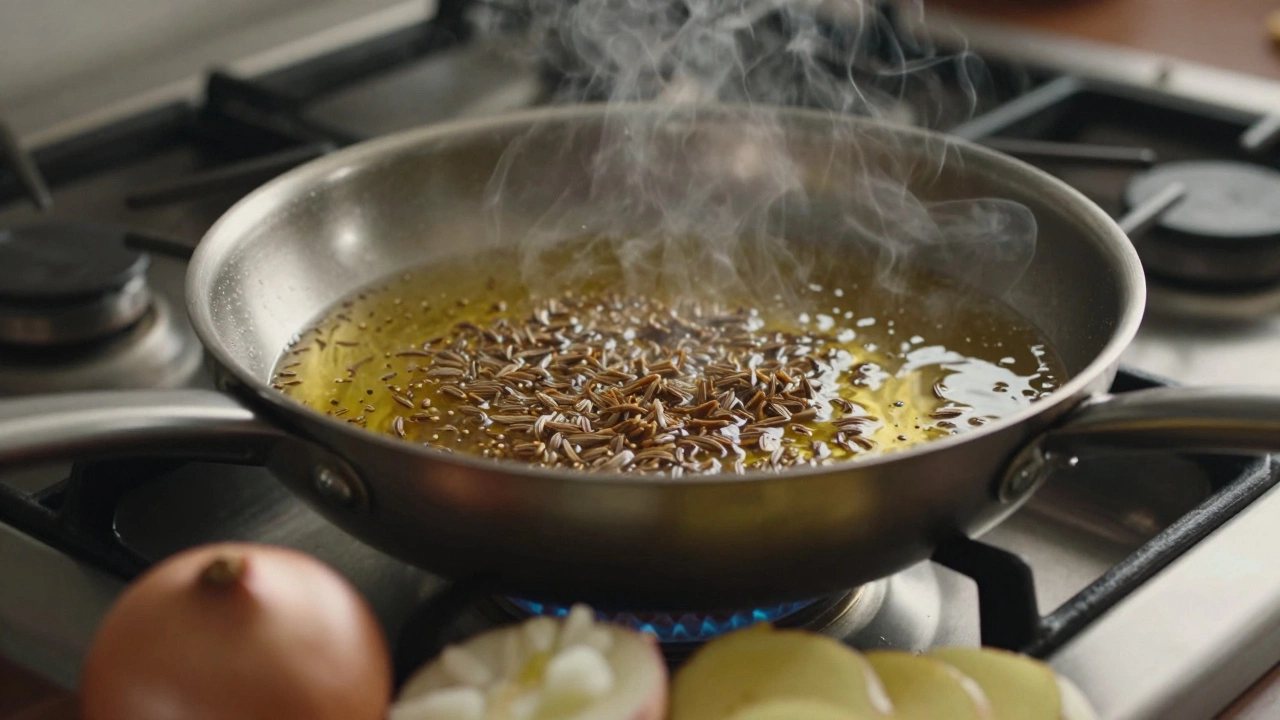
Cumin is a warm, nutty seed that provides the deep, savory base notes of a curry. You’ll find it in both whole and ground forms. Whole cumin seeds sizzle in hot oil at the start of cooking (a technique called tempering or *tadka*), releasing an essential oil that infuses the fat. Ground cumin is added later to build body. Without cumin, a curry feels hollow. It’s the anchor.
Coriander is the citrusy, floral counterpart to cumin’s earthiness. Don’t confuse coriander seeds with cilantro leaves-they come from the same plant, but the seeds are dried and toasted before grinding. Coriander powder adds brightness and complexity. It cuts through the richness of coconut milk or yogurt-based sauces. If your curry tastes too heavy, add more coriander.
| Spice | Primary Flavor Note | Best Used When... | Common Mistake |
|---|---|---|---|
| Turmeric | Earthy, Bitter, Yellow Color | Adding color and health benefits | Using too much, turning food neon yellow and bitter |
| Cumin | Nutty, Warm, Savory | Building the base flavor layer | Burning it in oil (it turns acrid quickly) |
| Coriander | Citrusy, Floral, Light | Balancing heaviness and adding aroma | Skipping it entirely, leading to a flat taste |
The Heat Brigade: Chili Peppers and Black Pepper
Not everyone likes spicy food, but every good curry needs some heat. The type of heat changes the character of the dish completely. This is where many home cooks stumble-they rely solely on cayenne pepper, which burns the tongue but doesn’t add flavor.
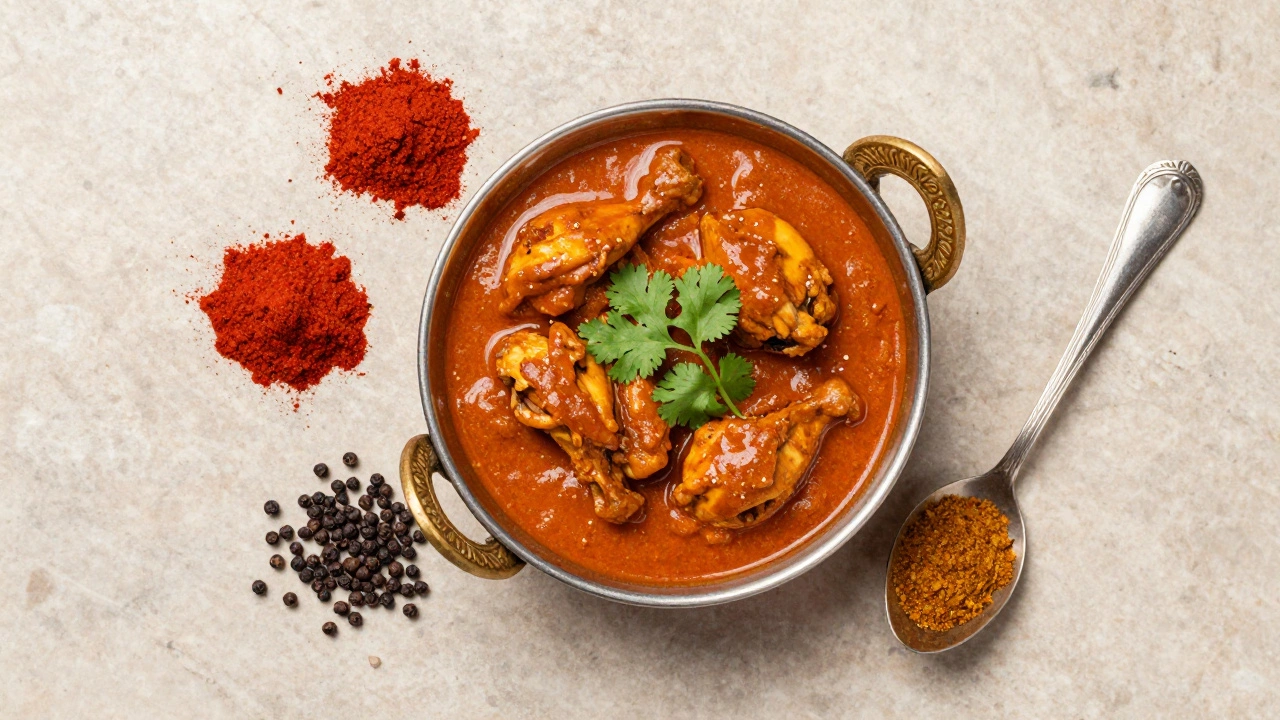
Kashmiri Chili Powder is a mild chili powder known for its vibrant red color and low heat level. It’s the secret weapon in North Indian curries. You can use a tablespoon of this without making the dish inedible for kids. It provides visual appeal and a gentle warmth.
If you prefer punchier heat, Garam Masala is a finishing blend of warming spices like cardamom, cloves, and cinnamon. Despite the name "garam" meaning hot, it’s not necessarily spicy in terms of capsaicin. It’s hot in terms of metabolic warmth. Add this at the very end of cooking. If you cook garam masala for 30 minutes, the delicate aromatics evaporate, and you lose the point.
For a sharper, more immediate kick, black pepper works wonders. Freshly cracked black pepper adds a piney, woody note that complements chicken perfectly. It’s less about burning your mouth and more about adding a layer of sophistication.
Aromatic Foundations: Garlic, Ginger, and Onions
You can have all the expensive spices in the world, but if you skip the aromatics, your curry will fail. In Indian cooking, garlic, ginger, and onion are considered spices in their own right because they form the foundational paste (*masala*) that thickens and flavors the sauce.
Fresh ginger brings a zesty, peppery bite. It’s crucial for cutting through the gaminess of meat. Garlic adds pungency and depth. When blended into a smooth paste with onions, tomatoes, and yogurt, this mixture becomes the vehicle for your dry spices. The oils in the spices dissolve into the fat in this paste, ensuring even distribution throughout the dish.
Pro tip: Sauté your onion-garlic-ginger paste until the raw smell disappears and the oil starts to separate from the mixture. This is a visual cue that tells you the moisture has cooked off and the flavors have concentrated. Rushing this step leads to a watery, bland curry.
How to Build a Spice Blend from Scratch
Why bother mixing your own when jars are everywhere? Because store-bought blends sit on shelves for months, losing potency. Plus, you control the heat and salt levels. Here is a simple ratio for a versatile chicken curry base:
- 2 tablespoons Coriander Powder (the bulk)
- 1 tablespoon Cumin Powder (the depth)
- 1 teaspoon Turmeric Powder (the color)
- 1 teaspoon Kashmiri Chili Powder (the heat/color)
- 1/2 teaspoon Black Pepper (the sharpness)
To activate these spices, toast them lightly in a dry pan for 30 seconds before grinding or using. Toasting wakes up the essential oils. Smell the difference-it’s night and day.
Applying Spices to Chicken Curry
Now, let’s put this into practice with a chicken curry recipe. The order of operations matters immensely.
- Marinate the Chicken: Coat chicken pieces in yogurt, lemon juice, ginger-garlic paste, and half of your spice blend. Let it sit for at least 30 minutes. The acid in the yogurt tenderizes the meat, while the spices penetrate deeper than surface seasoning.
- Temper the Seeds: Heat oil or ghee in a pot. Add whole cumin seeds and mustard seeds (if using). Wait for them to pop. This releases their aroma into the fat.
- Sear the Meat: Add the marinated chicken. Sear it on high heat to lock in juices and create a caramelized crust. Do not crowd the pan.
- Build the Base: Lower the heat. Add your onion-tomato-garlic-ginger paste. Cook until the oil separates.
- Add Remaining Spices: Stir in the rest of your dry spice blend. Cook for 1 minute to remove the raw floury taste of the powders.
- Simmer: Add water or coconut milk. Simmer gently until the chicken is cooked through. Finish with garam masala and fresh cilantro.
Common Pitfalls to Avoid
Even experienced cooks make these mistakes. Watch out for them:
- Burning the Turmeric: Turmeric burns easily and turns black. Add it after the onions are soft, not at the very beginning with the whole seeds.
- Overpowering with Garam Masala: Remember, garam masala is a finishing spice. Too much makes the dish taste medicinal.
- Ignoring Salt Timing: Salt helps extract moisture from vegetables and meat, enhancing flavor extraction. Season early, not just at the end.
- Using Old Spices: If your cumin smells like nothing, it’s dead. Replace it. Fresh spices should smell strong when you open the container.
Regional Variations: One Spice, Many Uses
It’s fascinating how the same spices change based on region. In South India, curry leaves and fenugreek play a bigger role. In the North, cream and cashews soften the spice profile. In the East, mustard oil and panch phoron (a five-spice blend) dominate. Understanding these variations helps you customize your curry. Want a lighter, coconut-based curry? Lean on coriander and lemongrass. Want a rich, tomato-based gravy? Emphasize cumin and kasuri methi (dried fenugreek leaves).
Experimentation is key. Start with the holy trinity-turmeric, cumin, coriander-and adjust from there. Your palate will guide you. Before long, you won’t need a recipe; you’ll just know how much to add by smell and taste.
What is the most important spice in curry?
While it depends on the specific dish, cumin is often considered the most important base spice because it provides the fundamental savory, earthy flavor profile that defines most curries. Without cumin, a curry lacks depth.
Can I substitute curry powder for individual spices?
You can, but the result will be less vibrant and complex. Store-bought curry powder often contains fillers and stale spices. For best results, mix your own blend using fresh coriander, cumin, and turmeric.
Why does my curry taste bitter?
Bitterness usually comes from burnt spices, especially turmeric or cumin, or from using too much chili powder. Ensure you cook spices on medium-low heat and balance heat with sweetness (like tomatoes or sugar) and acidity (lemon juice).
When should I add garam masala?
Add garam masala at the very end of cooking, just before serving. Prolonged cooking destroys its delicate aromatic oils, rendering it ineffective.
How do I make my curry more fragrant?
Toast your whole spices (like cumin seeds and cardamom pods) in hot oil at the beginning of cooking. Also, finish with fresh herbs like cilantro or a dash of lemon juice to brighten the aroma.