Biryani Spice Blend Calculator
Calculate the perfect homemade spice ratios for your biryani based on the number of servings.
Walk into any kitchen in Hyderabad, Lucknow, or Kolkata, and ask the cook what makes their biryani is a fragrant rice dish layered with meat or vegetables, cooked with a complex blend of spices and herbs special. You won’t get one answer. You’ll get three. The Hyderabadi will point to the fiery red chili. The Lucknowi will whisper about the delicate rose water. The Calcutta chef will swear by the fried potatoes soaked in spiced oil.
But if you strip away the regional pride and look at the chemistry of the dish, there is no single "most important" spice. Instead, there are two pillars that hold the entire structure up: saffron is the world's most expensive spice, derived from the Crocus sativus flower, known for its golden hue and floral aroma and garam masala is a warming spice blend typically containing cardamom, cloves, cinnamon, and black pepper. Without saffron, you lose the signature color and top-note fragrance. Without garam masala, you lose the deep, earthy warmth that defines the dish’s soul.
The Two Pillars: Saffron and Garam Masala
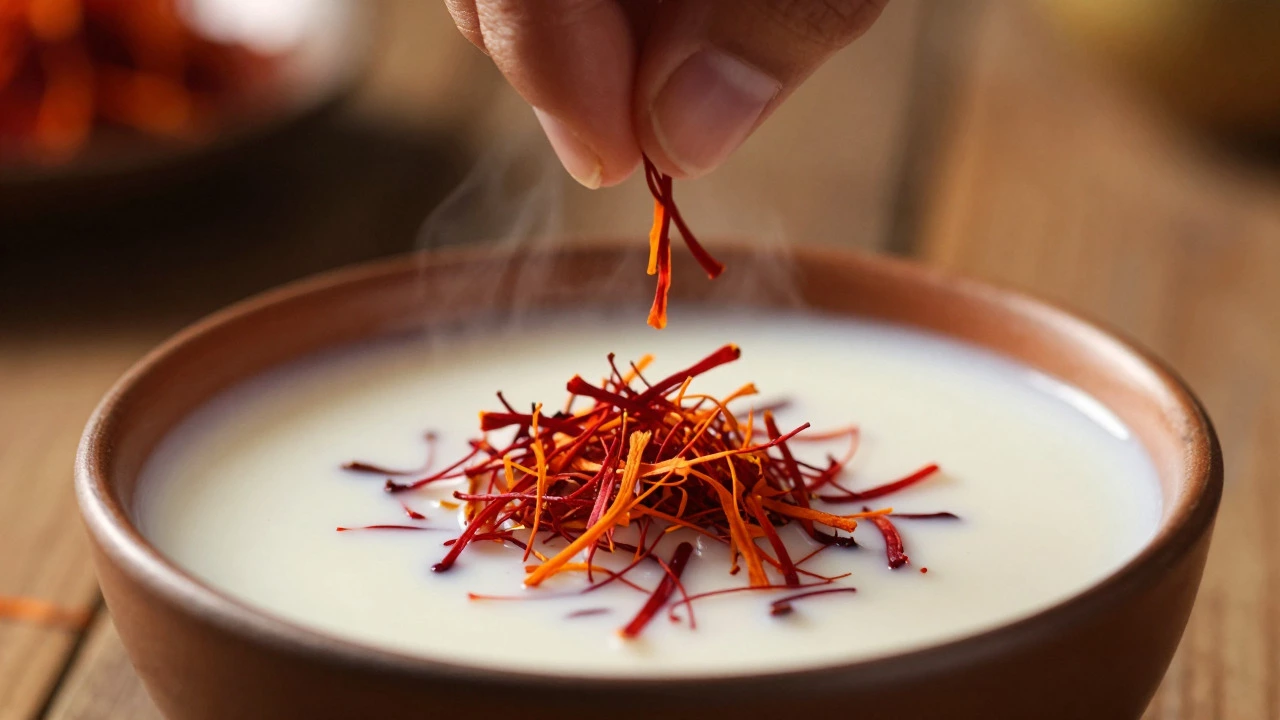
Let’s start with the star of the show: Kesar, or saffron. In many North Indian traditions, particularly in Lucknow and Delhi, saffron isn't just an ingredient; it’s the identity marker. When you open the pot after the dum (slow cooking) process, the first thing that hits you should be a floral, honey-like scent. That is saffron. It provides the iconic yellow-orange tint to the rice grains. If your biryani looks pale white or dull brown, something is missing. Usually, it’s the saffron, or worse, artificial food coloring.
However, saffron alone is too subtle to carry the weight of a heavy meat dish. This is where Biryani Masala comes in. While often used interchangeably with garam masala in casual conversation, true biryani masala is a specific sub-category of garam masala tailored for this dish. It usually includes higher proportions of mace, nutmeg, and sometimes dried mint and coriander seeds. It provides the base note-the warmth that lingers on your tongue long after the meal is done.
| Spice | Primary Function | Flavor Note | Regional Preference |
|---|---|---|---|
| Saffron | Color & Top Aroma | Floral, Honey-like | Lucknow, Delhi, Kashmir |
| Garam Masala | Base Warmth & Depth | Earthy, Woody, Sweet | Pan-India (Universal) |
| Green Cardamom | Fragrance & Freshness | Citrusy, Minty | Kolkata, Lucknow |
| Dried Ginger Powder | Zest & Digestion Aid | Peppery, Pungent | Hyderabad, Mumbai |
The Regional Divides: Heat vs. Fragrance
If you ask someone in Hyderabad what the most important spice is, they might laugh at your mention of saffron. For them, the king is red chili powder is ground dried chilies, primarily Byadgi or Guntur varieties, providing heat and vibrant color. Hyderabadi biryani is bold, spicy, and tangy. The chili doesn’t just add heat; it adds a distinct earthiness that balances the richness of the goat or chicken fat. In this context, omitting chili means losing the dish’s character entirely.
Conversely, in Kolkata, the story changes again. Here, the "most important" addition isn’t even a traditional spice-it’s the potato. But sticking to spices, the Calcutta style relies heavily on star anise is a licorice-flavored seed pod from the Illicium verum tree and fennel seeds. These give the biryani a subtle sweetness and a licorice undertone that distinguishes it from its fiery southern cousins. The spice profile here is lighter, more aromatic, and less aggressive on the palate.
This diversity shows why asking for "the" most important spice is tricky. It depends on which version of the dish you’re trying to recreate. However, across all regions, one ingredient remains non-negotiable: whole spices is intact seeds, pods, and bark like cumin, mustard, and bay leaves used for tempering.
The Foundation: Whole Spices and Tempering
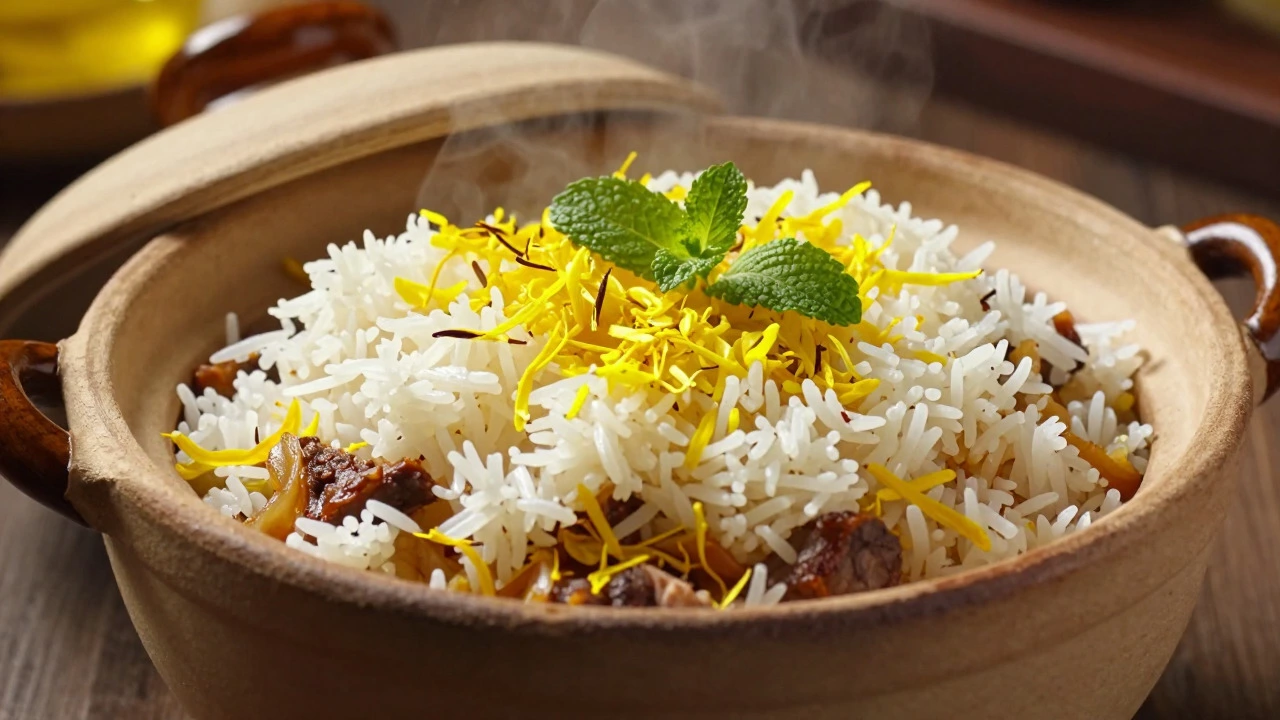
Before any ground powder touches the rice, whole spices must hit the hot oil. This step, known as tadka or tempering, releases essential oils that infuse the fat. The fat then carries these flavors into every grain of rice and piece of meat. The holy trinity here is usually:
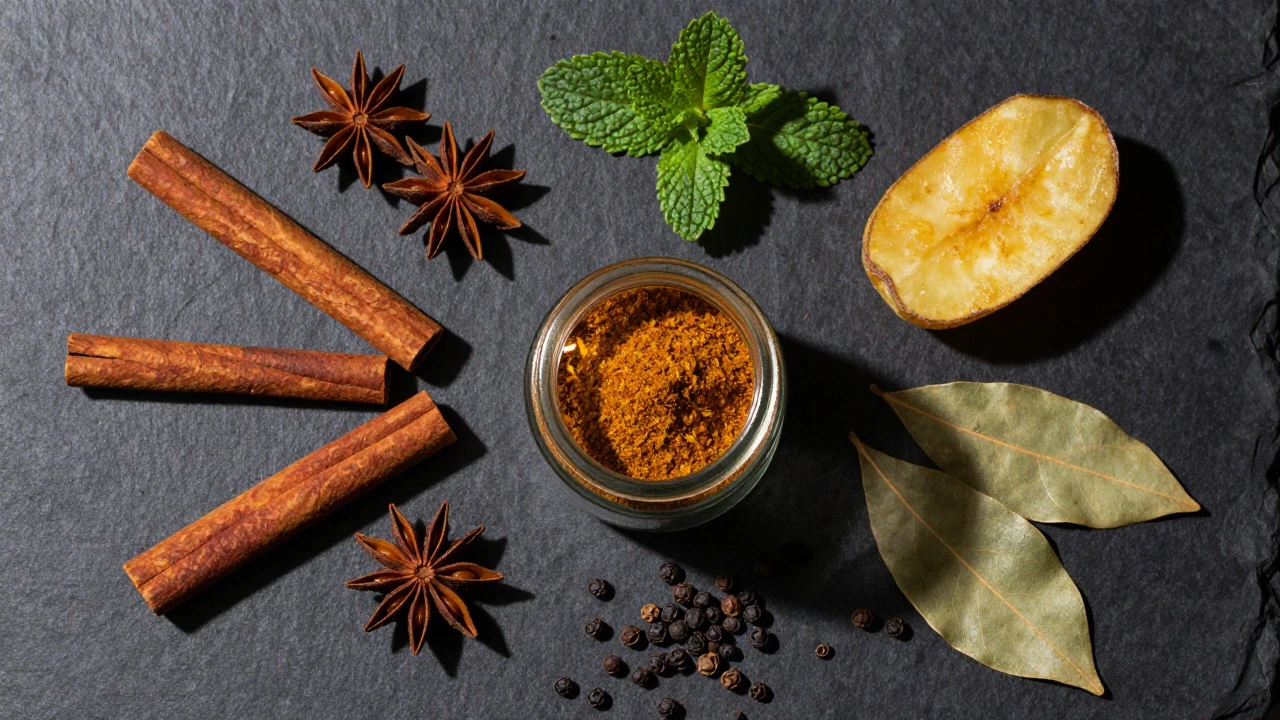
- Bay leaves: Provide a subtle bitterness that cuts through grease.
- Cinnamon sticks: Add woody sweetness without overpowering.
- Black peppercorns: Offer sharp, immediate heat that grounds the dish.
If you skip this step and only use powdered spices, your biryani will taste flat. The powders provide the surface flavor, but the whole spices provide the structural integrity of the taste profile. Think of whole spices as the foundation of a house and ground spices as the paint. You can have a beautiful paint job, but if the foundation is weak, the house collapses.
The Secret Weapon: Dried Mint and Coriander
While not always considered "spices" in the strictest sense, dried mint (pudina) and dried coriander leaves (dhania) are critical to modern biryani recipes, especially in the South and West India. They act as a palate cleanser within the dish itself. The richness of the ghee and meat can become cloying; the herbal notes of mint and coriander cut through that fat, refreshing the mouth between bites.
In many home kitchens, fresh mint and coriander are used instead of dried. This is perfectly fine and often preferred for freshness. However, dried versions release their flavor more slowly during the long dum cooking process, integrating better with the rice rather than sitting on top of it.
How to Balance Your Spice Blend
You don’t need to buy pre-made biryani masala to get it right. In fact, making your own ensures the freshest flavor. Here is a simple ratio to follow for a standard batch serving four people:
- Roast lightly: Take 1 tablespoon each of cumin seeds, coriander seeds, and fennel seeds. Dry roast them until fragrant. Let them cool and grind into a fine powder.
- Add warmth: Mix in 1 teaspoon of ground cardamom, 1/2 teaspoon of ground cloves, and 1/2 teaspoon of ground mace or nutmeg.
- Add zest: Include 1 teaspoon of dried ginger powder (saunth) and 1 teaspoon of black pepper powder.
- Infuse: Soak 10-15 strands of high-quality saffron in 2 tablespoons of warm milk or cream.
This homemade mix will outperform any store-bought jar because the volatile oils haven’t evaporated due to age. Store-bought spices lose potency rapidly after grinding. If your stored masala smells dusty rather than pungent, it’s time to replace it.
Common Mistakes to Avoid
Even with the right spices, technique matters. A common error is adding raw onion paste directly to the rice layer. Onions should be caramelized deeply in ghee or oil until they turn dark brown or even blackened (in the case of Hyderabadi style). This caramelization adds a sweet, smoky depth that raw onions simply cannot provide. Another mistake is overcrowding the pot. Biryani needs space for steam to circulate. If the layers are too thick, the rice cooks unevenly, and the spices don’t distribute properly, leading to pockets of blandness next to pockets of intense heat.
Finally, don’t forget the acid. A squeeze of lemon juice or a spoonful of yogurt marinade helps balance the heavy spices. Acid brightens the flavor profile, making the saffron and garam masala pop rather than sit heavy on the tongue.
Can I substitute saffron in biryani?
Yes, but you will lose the authentic aroma. Turmeric mixed with a pinch of orange food coloring can mimic the visual appeal, but it lacks the floral complexity. For a better natural alternative, try using a small amount of marigold petals steeped in milk, though the flavor will still differ significantly from true saffron.
What is the difference between garam masala and biryani masala?
Garam masala is a general-purpose warming spice blend used in curries and meats. Biryani masala is a specialized variation that often includes additional ingredients like mace, nutmeg, and sometimes dried herbs like mint and coriander to complement the rice specifically. You can use garam masala as a base, but adding those extra elements elevates it to biryani-specific quality.
Why does my biryani lack fragrance?
Fragrance loss usually stems from old spices or improper sealing during the dum process. Ensure your whole and ground spices are fresh. Additionally, seal the pot tightly with dough or aluminum foil to trap the steam. If the steam escapes, the aromatic compounds escape with it, leaving you with flavorful but unfriendly smelling rice.
Is it better to use fresh or dried mint in biryani?
It depends on the stage of cooking. Fresh mint is best added at the very end or as a garnish to preserve its bright, green flavor. Dried mint is better suited for the initial frying stage with onions and meat, as it withstands longer cooking times and integrates deeper into the gravy. Many chefs use both for layered flavor.
How do I prevent my biryani from becoming too spicy?
Balance is key. If you reduce the chili powder, compensate by increasing the aromatics like ginger-garlic paste and onions. Adding a bit more yogurt or cream can also mellow out the heat. Remember that black pepper and green chilies provide different types of heat than red chili powder, so adjust based on the kind of spice kick you want.