Tofu vs. Paneer Decision Assistant
Answer the questions below to find out which ingredient fits your current meal plan best.
Select your preferences to see a detailed comparison and recommendation.
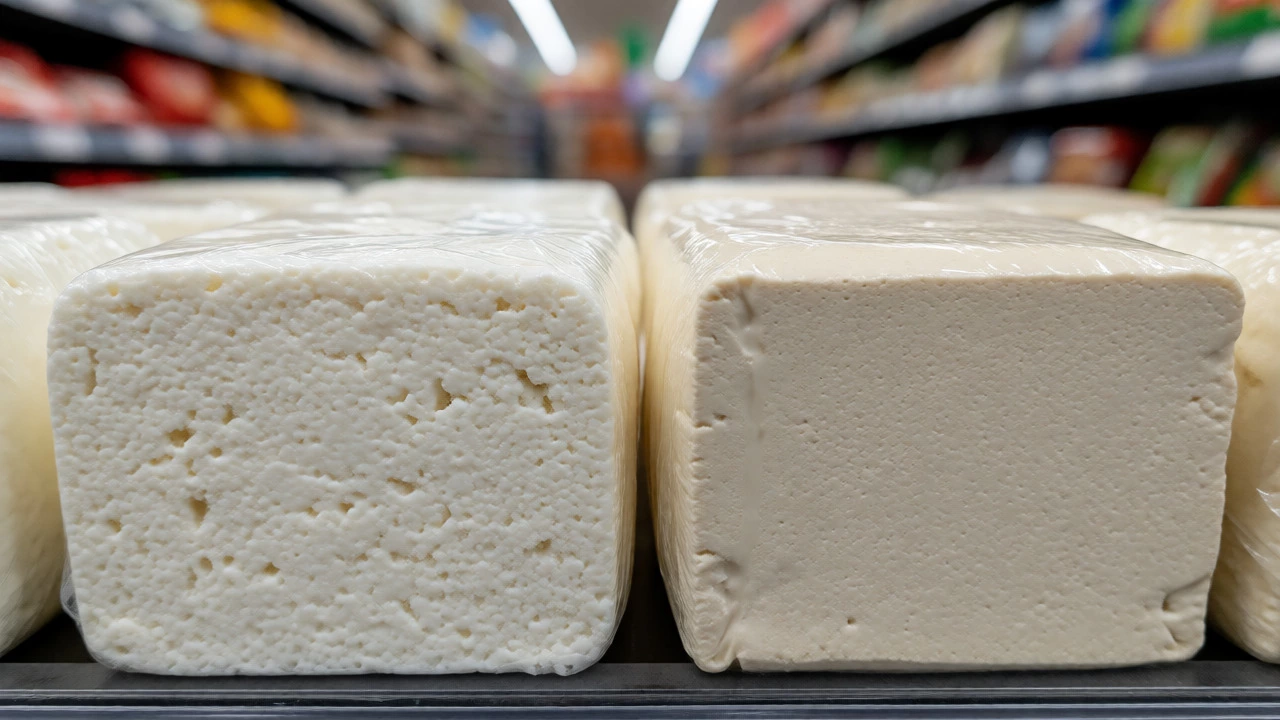
You’re standing in the grocery aisle, staring at a block of white cubes. On one side, it’s paneer, a fresh acid-set cheese made from milk, central to Indian cuisine. On the other, it’s tofu, a soybean curd often used as a meat or dairy substitute. Both look like innocent, soft blocks of protein. Both absorb sauce like sponges. But are they actually similar? If you swap one for the other in your curry, will your dinner survive?
The short answer is no, they aren’t the same. The long answer is more interesting. While they share a visual identity and a mild flavor profile that lets them play well with strong spices, their origins, textures, and nutritional profiles are worlds apart. Understanding these differences isn’t just about being pedantic; it’s about knowing when to reach for which block to get the dish you actually want.
Where Do They Come From?
To understand why tofu and paneer behave differently in a pan, you have to look at how they’re born. Paneer is a dairy product. It’s made by heating milk and adding an acid-like lemon juice, vinegar, or yogurt-to curdle it. You strain the curds, press them into a block, and let them set. No rennet, no aging, no fermentation. It’s essentially fresh, unaged cheese. Because it comes from milk, it carries the fat and protein structure of dairy.
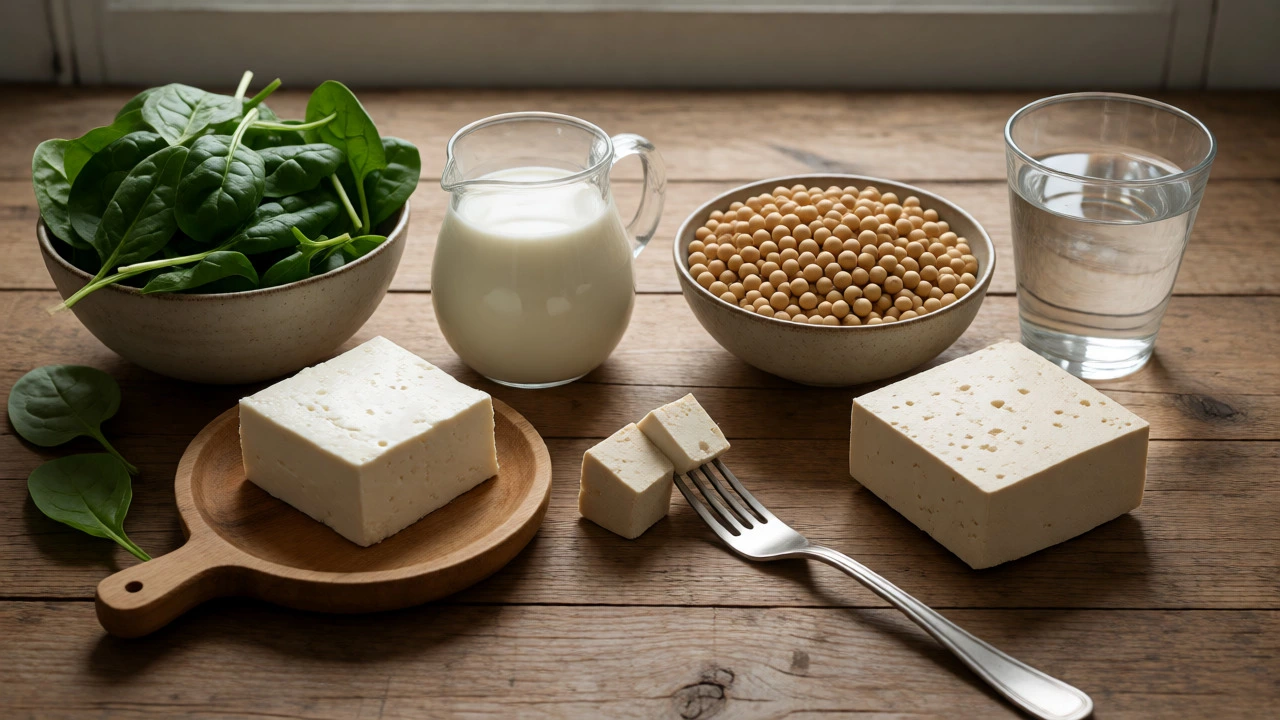
Tofu, on the other hand, is a legume product. It starts with soybeans, which are soaked, ground, and boiled to make soy milk. A coagulant-usually calcium sulfate (gypsum) or magnesium chloride (nigari)-is added to separate the solids from the liquid. These solids are pressed into blocks. Tofu is vegan, gluten-free, and entirely plant-based. This fundamental difference in source material dictates everything else, from how it melts to how it tastes.
The Texture Test: Crumble vs. Slice
This is where home cooks usually run into trouble. If you try to cube firm tofu and fry it like paneer, it might fall apart. If you try to crumble paneer into a salad like silken tofu, you’ll end up with heavy, rubbery chunks.
Paneer has a dense, granular texture. Think of it as having a slight "bite" or graininess, similar to a very mild cottage cheese that has been pressed hard. It holds its shape incredibly well in gravies because the casein proteins in milk form a tight network that doesn’t dissolve easily. You can simmer paneer in a rich butter chicken gravy for twenty minutes, and those cubes will stay distinct. It doesn’t melt, but it does soften slightly over time.
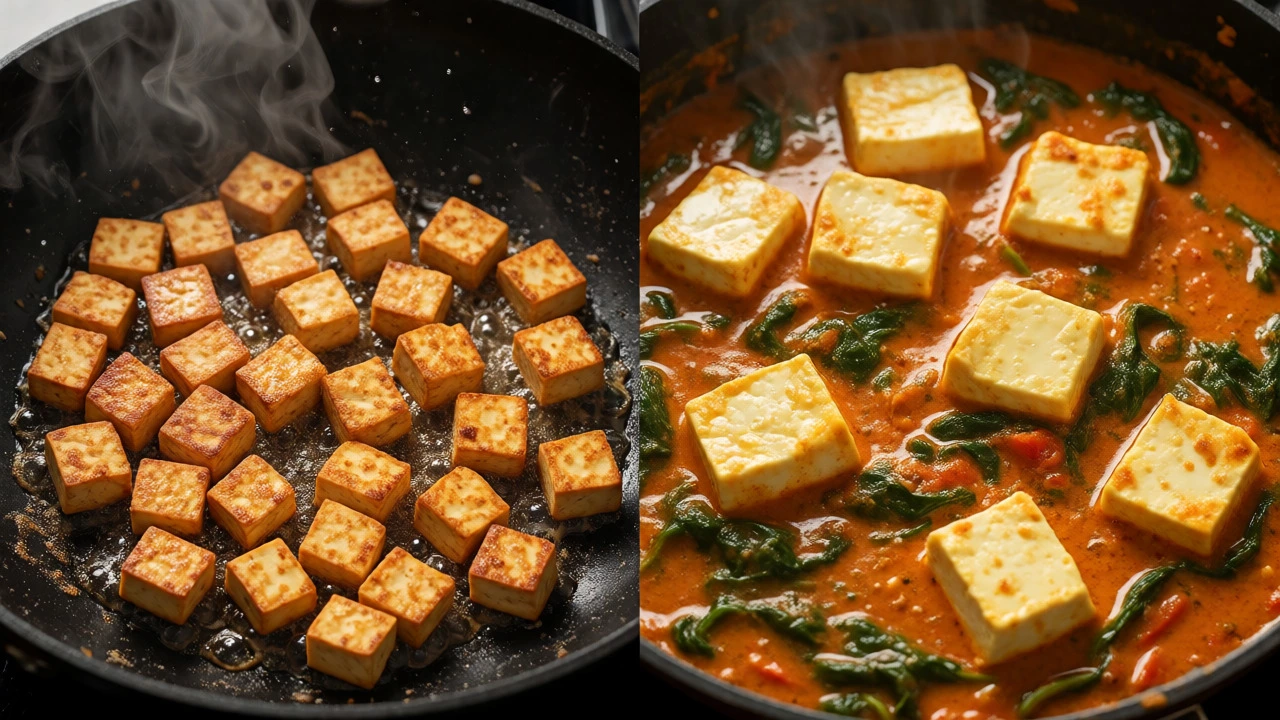
Tofu varies wildly depending on its water content. Silken tofu is custard-like and falls apart if you look at it wrong. Firm tofu is denser, but it still lacks the structural integrity of paneer. When you fry firm tofu, the outside crisps up beautifully, creating a contrast between a crunchy shell and a soft interior. Paneer doesn’t crisp the same way; it browns and gets golden, but it stays creamy inside rather than turning crispy. If you want that satisfying crunch in a stir-fry, tofu wins. If you want a substantial, chewy mouthfeel in a curry, paneer takes the crown.
Flavor Profiles: Blank Canvas or Subtle Sweetness?
Both ingredients are famous for being bland. This is their superpower. Neither competes with the star of the show-the spices. However, their baseline flavors differ.
Paneer has a subtle sweetness and milky richness due to the lactose and milk fats. It pairs naturally with warm spices like garam masala, turmeric, and cumin. In dishes like Palak Paneer or Shahi Paneer, the creaminess of the cheese balances the earthiness of spinach or the heat of chili.
Tofu is neutral, sometimes carrying a faint beany aftertaste if not prepared correctly. High-quality tofu should taste clean, almost nutty. Because it lacks inherent fat, it relies heavily on marinades and oils to deliver flavor. This makes it an excellent vehicle for bold Asian flavors-ginger, garlic, soy sauce, sesame oil-but it can also mimic the role of paneer if you treat it right.
Nutritional Showdown: Protein, Fat, and Calories
If you’re watching your macros, the choice between tofu and paneer matters. Here’s how they stack up per 100 grams (approximate values):
| Nutrient | Firm Tofu | Paneer (Full Fat) |
|---|---|---|
| Calories | ~145 kcal | ~265 kcal |
| Protein | ~17 g | ~18-20 g |
| Fat | ~9 g | ~20 g |
| Carbs | ~3 g | ~2 g |
| Calcium | High (if gypsum-set) | Moderate |
| Dietary Type | Vegan | Vegetarian |
Notice the calorie gap? Paneer is nearly twice as calorie-dense as tofu because of the high fat content. If you’re looking for lean protein, tofu is the clear winner. But don’t underestimate paneer’s protein quality-it’s a complete protein with all essential amino acids, just like tofu. For vegans, tofu is the only option here. For vegetarians who consume dairy, paneer offers a richer, more satiating experience thanks to the fats.
Cooking Swaps: Can You Use One for the Other?
Yes, but with caveats. If you’re making a dry stir-fry or a saucy curry, you can swap them. Here’s how to do it without ruining your meal:
- Using Tofu Instead of Paneer: Press the tofu first. Wrap a block of firm tofu in a towel and place a heavy pan on top for 15-20 minutes. This removes excess water, allowing it to brown better and hold its shape. Marinate it in yogurt or a spice mix to add the richness paneer naturally has. Fry it until golden before adding it to your gravy.
- Using Paneer Instead of Tofu: Cut paneer into smaller cubes so it absorbs marinade faster. Since paneer is already fatty, skip the heavy oil frying. Lightly toast it in a non-stick pan or grill it. Be careful not to overcook it, or it can turn rubbery. Paneer won’t get as crispy as tofu, so adjust your expectations for texture.
Avoid swapping them in delicate dishes. Don’t use tofu in a dessert like Rasmalai; it won’t have the right density or milk flavor. Don’t use paneer in a miso soup; it will overpower the broth and clump together oddly.
Price and Availability
In most Western countries, tofu is cheaper and easier to find. You can grab a block for $2-$3 at any supermarket. Paneer, especially authentic Indian brands, can cost $5-$8 and might require a trip to an ethnic grocery store. However, homemade paneer is incredibly cheap-you just need milk and lemon juice. If you’re in India, paneer is ubiquitous and affordable, while good quality tofu can sometimes be harder to find outside major cities.
Which Should You Choose?
Pick paneer if:
- You want a traditional Indian flavor profile.
- You enjoy a creamy, rich mouthfeel.
- You’re vegetarian (not vegan).
- You’re making gravies where the ingredient needs to stay intact during long simmers.
Pick tofu if:
- You’re vegan or avoiding dairy.
- You want a lower-calorie, lower-fat option.
- You’re making stir-fries where you want a crispy exterior.
- You’re experimenting with fusion dishes or Asian-inspired curries.
Is tofu healthier than paneer?
It depends on your goals. Tofu is generally lower in calories and saturated fat, making it a heart-healthier choice for many. It is also cholesterol-free. Paneer is higher in calcium and vitamin B12 (from dairy), but also higher in saturated fat. If weight loss is your priority, tofu is usually the better pick. If you need calcium and don't mind the extra calories, paneer is fine in moderation.
Can I make paneer from tofu?
No, you cannot make true paneer from tofu because they come from different sources. However, you can mimic paneer's texture by pressing firm tofu thoroughly and marinating it in yogurt and spices. Some recipes call this "vegan paneer," but it will lack the specific milky flavor of real paneer.
Why does my tofu fall apart in curry?
Tofu falls apart because it contains too much water. Always press your tofu before cooking. Additionally, avoid stirring the curry vigorously once the tofu is added. Gently fold it in. Using extra-firm or super-firm tofu helps maintain structural integrity compared to regular firm tofu.
Does paneer melt like mozzarella?
No. Paneer is an acid-set cheese, meaning it coagulates through pH change rather than bacterial culture and rennet. This structure prevents it from melting. It softens when heated but retains its shape, unlike mozzarella or cheddar which stretch and flow.
Is tofu a good substitute for paneer in Indian food?
Yes, especially for vegan versions of dishes like Saag Tofu or Tikka Tofu. To make it work, press the tofu to remove moisture, marinate it in spiced yogurt (or coconut yogurt for vegans) to add tang and richness, and fry it before adding to the gravy. This bridges the gap in texture and flavor.