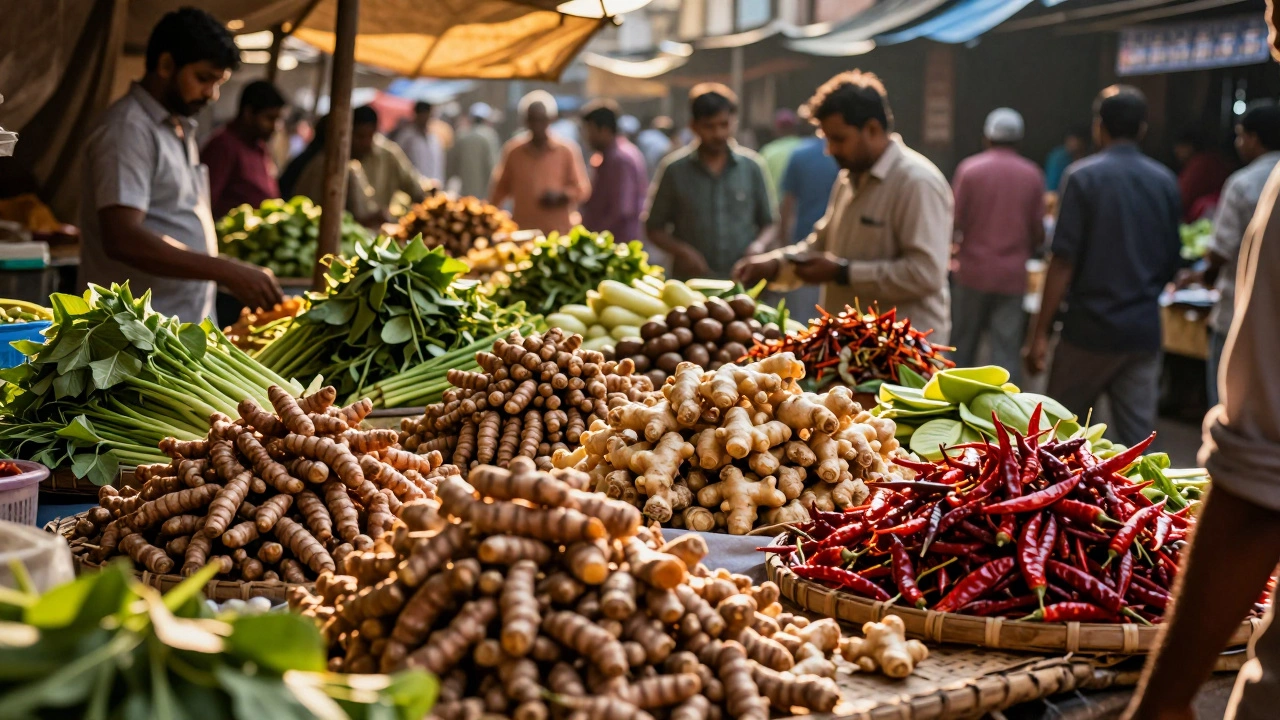
You walk into a restaurant in Berlin, Tokyo, or New York, and ask for something without meat. You expect a salad. Sometimes you get it. Often, you don't. There's no shortage of greens in modern cities, but what happens when you need a meal that isn't just "leftovers" of a carnivore menu?
If you are wondering where you can eat well without hunting for hidden bacon bits, the answer usually points to one specific place. While Western nations have caught up recently with farm-to-table movements, India remains the undisputed capital of global vegetarianism. The sheer volume of dishes designed specifically for non-meat eaters creates a safety net you simply won't find elsewhere.
Why India Wins the Vegetarian Race
The numbers speak first. Estimates suggest that over 40% of the population identifies as lacto-vegetarian. That isn't a niche trend; it is the mainstream norm. When you visit Mumbai, Delhi, or Kolkata, the default assumption in many households and eateries is that you do not eat flesh. This changes the fundamental experience of dining.
In places like Europe or North America, being vegetarian often requires education. You must explain to the waiter that the marinara sauce isn't fish stock and the dumplings aren't pork. In India, that conversation often never happens. The separation between vegetarian and non-vegetarian food is built into the architecture of restaurants. Look for the green dot symbol on menus; it marks dishes that are free of meat, eggs, and seafood. This visual cue alone reduces stress significantly.
Religion plays a massive role here. Hinduisminfluences over half of the population, promoting non-violence towards animals. Jainismtakes this further, avoiding root vegetables entirely to prevent harming life forms underground. These beliefs mean that entire supply chains were built centuries ago to cater to this demand. You don't just find one option for a meal; you find twenty.
Beyond the Curry: Regional Variations
It is easy to assume "Indian food" means heavy spices and thick gravies, but that is a partial view. If you travel across the subcontinent, the nature of your plant-based meal changes radically.
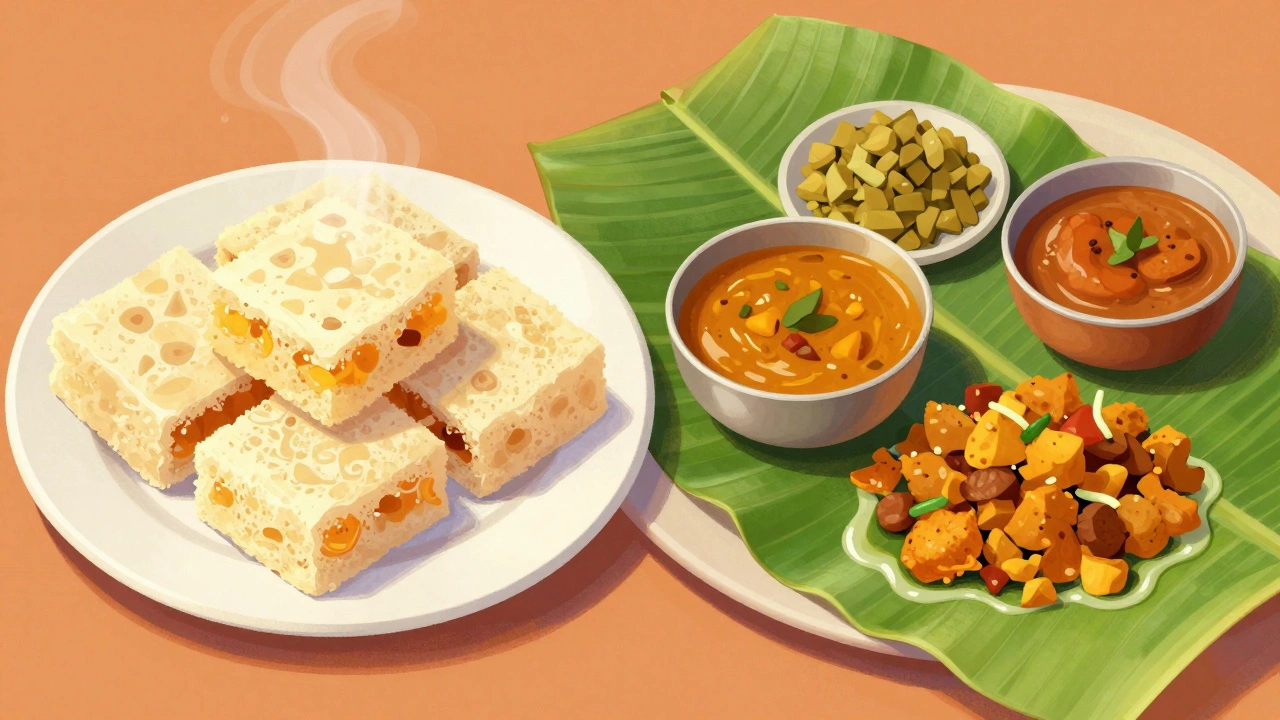
- The West: In states like Gujarat and Maharashtra, food is lighter and sweeter. Think of Dhokla, a steamed savory cake made from fermented gram flour. It is airy, healthy, and naturally gluten-free if made correctly.
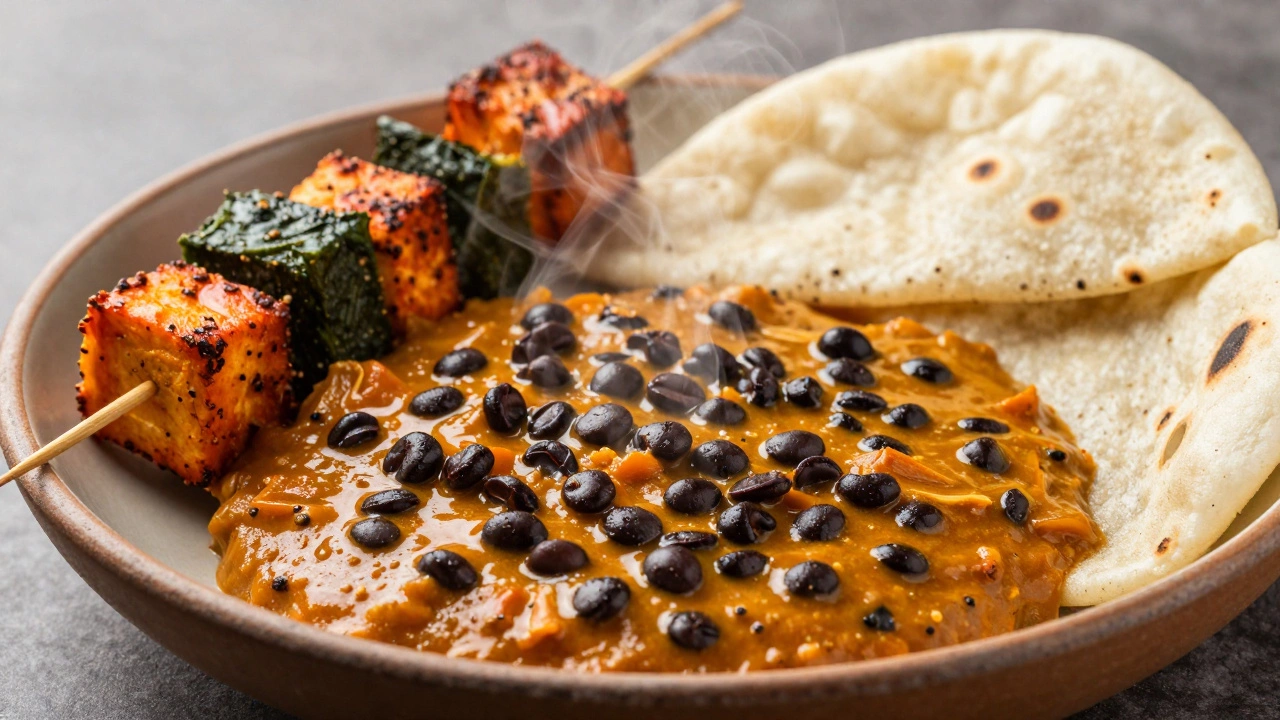
- The North: Here, dairy is king. Paneer (fresh cheese) dominates the plates. Dishes like Palak Paneer utilize spinach and curdled milk solids. Even the bread-Roti or Naan-is wheat-based, making it filling enough to sustain a day of labor without any protein supplements.
- The South: Rice rules the south. Meals come on banana leaves, served alongside spicy bean pastes called Sambar and leafy vegetable stir-fries known as Poriyal. Coconut oil is common, adding a distinct nuttiness that contrasts with the ghee-heavy north.
This diversity ensures boredom never sets in. A trip to the Himalayas might offer buckwheat pancakes, while a trip to Kerala offers coconut-lentil stews. The flavor profile shifts from region to region, offering a culinary adventure that is inherently inclusive.
When India Isn't an Option: Top Alternatives
Sometimes, you cannot go to Asia. What if you are staying in Europe or planning a trip elsewhere? There are contenders that hold their own, though they lack India's density of options.
| Country | Cultural Driver | Signature Dishes | Potential Pitfalls |
|---|---|---|---|
| Italy | Catholical fasting traditions | Risotto, Caprese Salad, Gnocchi | Cheese stocks in pasta sauces |
| Israel | Ashkenazi & Modern Health trends | Hummus, Falafel, Shakshuka | Fish gefilte balls in some soups |
| Thailand | Buddhist Temple Offerings | Papaya Salad, Green Curry | Shellfish paste in chili powder |
| Nepal | Hindu Influence | Momo (Dumplings), Dal Bhat | Butter melting pans used for meat |
Italy surprises many people. Because meat was historically expensive, peasant cooking relied heavily on legumes, eggplant, and zucchini. Roman cuisine features the Cacio e Pepe, a pasta dish made with only cheese, pepper, and water. It sounds simple, but it proves you don't need meat to feel satisfied. However, always ask about broth. Chefs sometimes simmer cheeses in meat stock for depth, which defeats the purpose if you avoid animal byproducts.
Thailand presents another excellent option due to Buddhist temple influence. Many Thais practice vegetarianism at least one day a month. You will see signs outside shops indicating "Tom Yung Goong" (Shrimp Soup) clearly marked, meaning other dishes are safer. The catch lies in seasonings. Traditional Thai chili paste often contains dried shrimp. If you strictly avoid all animal ingredients, you must request "Jay" food, which is prepared without onions, garlic, or animal products.
Essential Indian Dishes for a Relocation Kit
Since you asked about Indian dishes specifically, let's break down the staples you can cook at home or hunt for in local ethnic markets if you are stranded in a meat-heavy city. Knowing these names helps order correctly anywhere in the world.
Dal Makhani translates to "black lentils in cream." It is rich, warming, and packed with protein. Black lentils require long soaking, making them tough, but once slow-cooked with butter and cream, they turn into a velvety stew. It's a comfort food that rivals any steak dinner in terms of satisfaction.
Aloo Gobi is the simplest example of "dry curry." Potatoes and cauliflower roasted in turmeric and cumin. It highlights how vegetables taste best when treated as the main event, not a side garnish. Unlike potato gratins which bury the veg in cheese, this dish allows the texture of the florets to remain.
Chole Bhature pairs spicy chickpea curry with fried bread. Chickpeas are a high-protein powerhouse. In the UK and US, this dish is often found in "Indian Takeaways" alongside chicken vindaloo. Ordering this gives you a guaranteed safe meal without needing to scan the menu for red flags.
When cooking these dishes yourself, remember that "vegan" labels on packaged goods are rare in traditional Indian contexts. You will see "Vegetarian," which usually implies dairy is present. Ghee (clarified butter) is a standard cooking fat. If you are vegan, specify "No Ghee" or bring oil substitutes. Most cooks are accustomed to accommodating this, especially in urban areas where health diets are trendy.
Navigating the Hidden Meat Traps
Even in the most veg-friendly countries, hidden ingredients lurk. This is a global phenomenon, not just an Indian one. Awareness protects you better than assumptions.
In China, MSG is often derived from fermentation processes involving meat byproducts. In France, classic stocks for risotto often begin with chicken legs. In the US, bread toppings like honey might be acceptable to lacto-vegetarians but not vegans. Learning to read labels is part of the journey. Look for additives like gelatin (E441), rennet (enzymes for cheese), or carmine (crushed bug dye).
Apps have changed the game for travelers. Digital tools allow you to photograph a menu or ingredient label and instantly translate the allergens and ingredients into your native language. This bridges the gap between a Japanese diner who thinks "abalone" is a vegetable and a vegan tourist who knows it is mollusk.
How to Talk About Your Diet Overseas
Communication is key. In London, "No meat" works. In Spain, you must specify "Soy vegetariano/a" carefully, as omelets might be made with cured ham slices inside for flavor. In India, showing the green dot system on your phone helps explain your preference to older restaurant owners who may not understand English nuances.
Carry a laminated card in the local language stating clearly: "I do not eat meat, poultry, fish, shellfish, stock, or lard." Hand this to the chef upon seating. This avoids the post-order disappointment of discovering your "vegetable soup" contains anchovies.
Conclusion
While cities worldwide are greening, India remains the ultimate sanctuary for those who abstain from meat. The infrastructure, the religious backing, and the sheer variety of dishes mean you never compromise on flavor. However, with careful research, you can thrive in Italy, Thailand, or even urban centers in the US and UK. Being vegetarian isn't restrictive anymore; it is about choosing the environment that aligns with your values. If you prioritize quantity and safety, head east. If you prioritize simplicity, head west. Either way, the plate is waiting.
Is India truly the best country for vegetarians?
Yes. With nearly 40% of the population vegetarian, the food infrastructure supports plant-based eating better than any other nation. Dishes are inherently created without meat, rather than meat being removed.
Are Italian restaurants vegetarian friendly?
Italian food is generally very accessible for vegetarians due to heavy use of tomatoes, vegetables, and cheese. However, strict vegans should avoid cheese sauces made with animal rennet and always ask about broths.
What should I watch out for in Thai cuisine?
Be wary of prawn paste in curries and sauces. Ask for "Jay" food, which is Buddhist-style vegetarian food that excludes onion, garlic, and animal stock.
Can I find vegan options in India?
Yes. While most Indian food uses dairy like ghee and paneer, many South Indian dishes and roadside snacks like Samosas and Puffs can be made with oil instead of butter upon request.
How do I tell a waiter I'm vegetarian in a foreign country?
Use clear terms like "No Meat, No Fish." Carry a translated card listing your restrictions. Pointing to visual icons on menus (like the green dot in India) can also help bridge language gaps.