Dal Flavor Enhancer Checklist
Preparation & Base
Tadka & Finishing
Analysis Complete
...
Missing Elements:
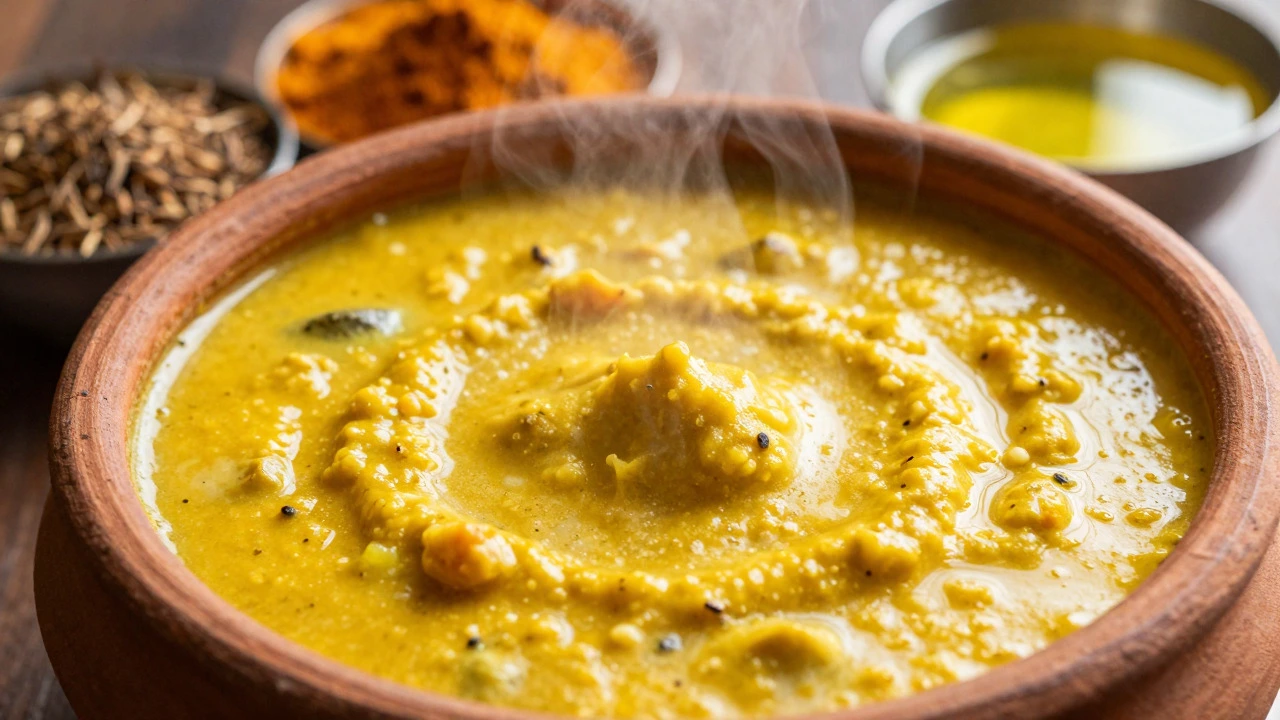
Have you ever eaten a bowl of dal is a staple Indian dish made from split lentils, known for its comforting warmth and nutritional value that tasted like plain, boiled mush? It’s happened to the best of us. You followed the instructions, you soaked the lentils, you cooked them until they were soft, but something was missing. The flavor felt flat. The texture lacked soul. The difference between a mediocre pot of lentils and a restaurant-quality bowl often comes down to technique, not just ingredients. It isn't about adding more salt or chili powder; it's about layering flavors at the right moments. Whether you are making a simple yellow dal or a rich red masala version, understanding the chemistry of flavor enhancement can transform your cooking. In this guide, we will break down exactly what makes dal taste incredible. We’ll look at the magic of tempering, the power of fats, and the secret weapons in your spice rack that elevate this humble dish.
The Foundation: Soaking and Cooking Techniques
Before you even think about spices, you need to respect the base ingredient. Most people rush through soaking their lentils, but this step dictates the final texture and digestibility. When you soak toor dal is split pigeon pea lentils that cook quickly and have a mild, nutty flavor or masoor dal (red lentils) for at least 30 minutes, you aren't just reducing cooking time. You are breaking down complex carbohydrates that cause bloating. This means the lentils cook more evenly, resulting in a creamier consistency without turning into glue. When you start cooking, use plenty of water. A good rule of thumb is a 1:4 ratio of dal to water. If you’re using a pressure cooker, which is standard in most Indian households, cook for 3-4 whistles on medium heat. If you are using a regular pot, simmer uncovered for 20-30 minutes. The key here is agitation. Stirring occasionally prevents sticking and helps the lentils break down naturally, releasing their starches to thicken the gravy. This natural thickening is far superior to adding cornstarch or flour later. Once the dal is cooked, don’t stop there. Mash it slightly with the back of a spoon or a potato masher. This releases more starch and creates a velvety texture that coats the tongue. This creamy base is essential because it carries the flavors of the spices better than whole, distinct grains would.
The Magic of Tadka: Tempering Spices
If there is one thing that defines Indian dal, it is tadka is a technique of frying spices in hot oil or ghee to release their essential oils and aromas. Also known as tempering or chhonk, this process is non-negotiable if you want depth. Boiling spices directly in water extracts some flavor, but frying them in fat unlocks their full aromatic potential. Start by heating ghee is clarified butter with a high smoke point and a rich, nutty aroma in a small pan. Ghee is preferred over vegetable oil because its milk solids add a savory richness that vegetable oils lack. Once the ghee is hot and shimmering, add cumin seeds. Wait for them to sizzle and pop. This sound tells you the oils are releasing. Next, add finely chopped onions. Cook them until they are translucent, then add ginger-garlic paste. Sauté until the raw smell of garlic disappears. Finally, add turmeric, red chili powder, and coriander powder. Why does this work? The heat breaks down the cell walls of the spices, releasing volatile compounds. When you pour this fragrant mixture over the cooked dal, the steam rises, carrying those aromas straight to your nose. Your brain perceives this aroma as flavor. Without tadka, your dal might taste correct on the tongue, but it won’t smell inviting. That sensory gap is what makes food feel "complete."
Acidity: The Secret Flavor Booster
You’ve probably noticed that restaurants always squeeze a wedge of lemon over your dal before serving. This isn’t just for garnish. Acid cuts through the heaviness of the lentils and the fat from the ghee. It brightens the entire dish. Lemon juice or tamarind pulp adds a tangy note that balances the earthiness of the lentils. Tamarind, in particular, offers a deeper, fruitier sourness compared to the sharp bite of lemon. For dishes like dal tadka or dal makhani, a tablespoon of tamarind paste stirred in during the last five minutes of cooking can make a huge difference. It adds complexity without overpowering the other spices. Just be careful not to add too much early on, as prolonged cooking can sometimes mute the fresh acidity. Adding it at the end preserves that bright, zesty kick that wakes up your palate.
Umami and Depth: Tomato and Jaggery
To build a robust flavor profile, you need umami. Tomatoes provide both acidity and glutamates, which enhance savory tastes. In many traditional recipes, tomatoes are pureed and added after the onions are golden brown. They cook down into a thick, red sauce that melds with the dal. This step is crucial for red dal varieties. The natural sugars in tomatoes caramelize slightly, adding a subtle sweetness that complements the heat from chilies. Speaking of sweetness, a pinch of jaggery or sugar is often overlooked. It doesn’t make your dal sweet; instead, it rounds out the harsh edges of the spices. Think of it like balancing a cocktail. A tiny bit of sweetness makes the salt and heat pop more effectively. Use only half a teaspoon per cup of dry lentils. You shouldn’t taste the sugar itself, but you will notice the dish feels more harmonious.
Fresh Herbs and Final Touches
No dal is complete without fresh herbs. Cilantro (coriander leaves) is the gold standard. Chopped finely and sprinkled generously over the top, it adds a burst of freshness that contrasts with the warm, cooked spices. Some regions also use fenugreek leaves (kasuri methi). Crushing dried kasuri methi between your palms and rubbing it into the hot dal at the very end releases a distinctive, slightly bitter aroma that is incredibly addictive. It’s a hallmark of North Indian cuisine. For an extra layer of texture, consider adding fried onions. These can be store-bought or homemade. They add a crunchy element to the otherwise soft dish. Additionally, a final drizzle of cold ghee over the finished dish adds a glossy sheen and a luxurious mouthfeel. This technique, called finishing fat, ensures that every spoonful has a consistent richness.
| Ingredient | Role in Flavor Profile | Best Time to Add |
|---|---|---|
| Ghee | Adds richness and nutty aroma | During tadka and as a finish |
| Cumin Seeds | Provides earthy, warm notes | First in hot oil during tadka |
| Turmeric | Adds color and anti-inflammatory benefits | With other powdered spices in tadka |
| Lemon/Tamarind | Brightens flavor and cuts richness | At the end of cooking or serving |
| Kasuri Methi | Adds unique herbal bitterness | Crushed and mixed in at the very end |
| Jaggery | Balances heat and acidity | During the simmering phase |
Common Mistakes to Avoid
Even with great ingredients, bad techniques can ruin dal. One common error is overcrowding the pot. If you cook too much dal at once, it steams rather than simmers, leading to a bland result. Another mistake is adding salt too late. Salt should be added when you start cooking the lentils. It helps break down the fibers faster and seasons the lentils from the inside out. If you wait until the end, the salt sits on the surface, creating a salty soup with bland lentils. Also, avoid boiling dal vigorously for too long. Gentle simmering is key. High heat can burn the bottom of the pot, imparting a bitter taste that is hard to fix. And finally, don’t skip the resting time. Letting the dal sit covered for 10-15 minutes after cooking allows the flavors to marry. The spices penetrate the lentils further, and the texture becomes smoother.
Why does my dal taste bland even with spices?
Blandness usually comes from skipping the tadka (tempering) step or not using enough fat. Spices need hot oil or ghee to release their essential oils. If you just boil spices in water, their flavor remains muted. Ensure you fry your cumin, mustard seeds, and powdered spices in hot ghee before mixing them into the dal.
Can I use oil instead of ghee for dal?
Yes, you can use mustard oil, sesame oil, or neutral vegetable oil. However, ghee provides a distinct nutty flavor and richer mouthfeel that is traditional in many Indian households. If you are vegan, use coconut oil or avocado oil for a similar richness, though the flavor profile will change slightly.
How do I make dal creamier without dairy?
To achieve a creamy texture without cream or yogurt, mash the cooked lentils thoroughly with a potato masher. You can also blend a portion of the dal and stir it back in. Adding a splash of coconut milk or cashew paste can also add body and richness for a vegan option.
What is the best type of dal for beginners?
Toor dal (split pigeon peas) and Masoor dal (red lentils) are the best for beginners. They cook quickly, require no soaking if you have time, and have a mild flavor that accepts various spices well. They are forgiving and less likely to turn bitter if slightly overcooked.
Why is lemon juice added at the end?
Lemon juice contains citric acid, which can degrade if exposed to high heat for too long. Adding it at the end preserves its bright, fresh acidity, which cuts through the richness of the ghee and lentils, balancing the overall flavor profile.