Saffron Quantity Calculator for Biryani
How Much Saffron Do You Need?
Saffron is the star ingredient that gives biryani its signature aroma and golden color. Using the right amount is crucial—too little and your biryani won't have the proper flavor, too much and it can become bitter.
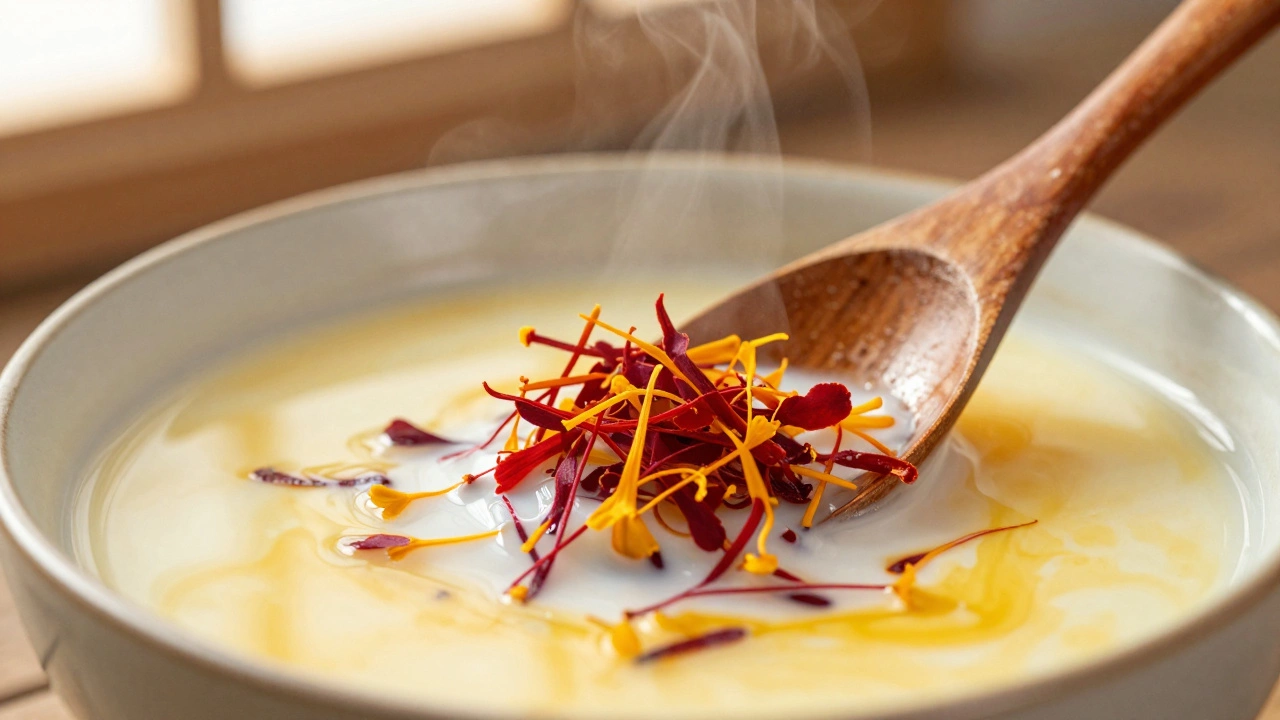
Important: Always soak saffron threads in warm (not boiling) milk or water for 10 minutes to release maximum flavor and color. Adding saffron directly to hot oil or cooking prematurely destroys its delicate compounds.
Ask anyone who’s made biryani, and they’ll tell you it’s not just one spice-it’s a symphony of flavors. But if you had to pick just one that stands out, saffron is the undisputed star. This golden spice does more than color the rice; it’s the soul of the dish. Yet many home cooks get it wrong. Let’s break down why saffron is the main event, how to use it right, and what happens when you skip it.
The Myth of a Single Spice
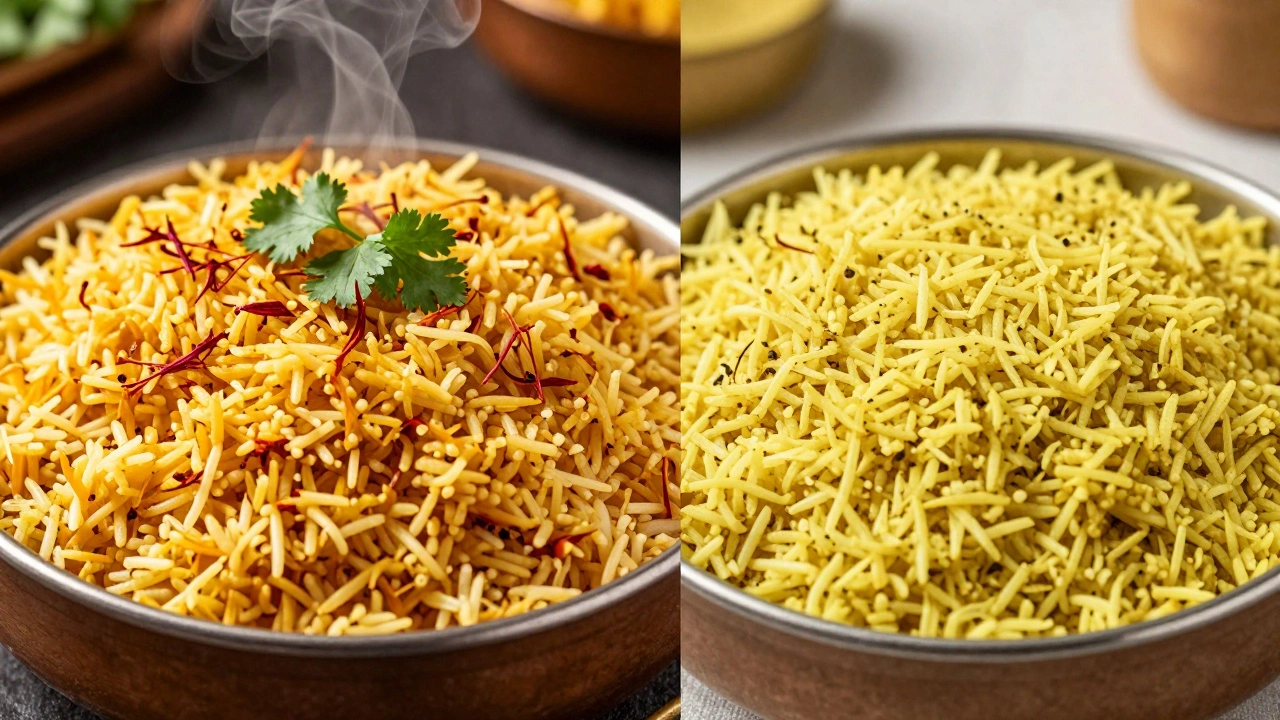
Here’s the truth: biryani’s magic comes from a blend of spices. But if you force me to name the most important one, it’s saffron. Without it, biryani loses its signature aroma and visual appeal. I’ve seen recipes skip saffron entirely, using turmeric instead for color. But turmeric gives a yellow hue without the floral, honey-like scent that makes biryani special. Saffron isn’t just a spice-it’s the difference between a good dish and a memorable one.
Why Saffron Reigns Supreme
Let’s get technical. Saffron comes from the crocus flower’s stigmas. Each flower produces just three stigmas, which is why it’s the world’s most expensive spice by weight. But here’s why it’s irreplaceable in biryani:
- Saffron has a unique chemical profile-picrocrocin for sweetness and safranal for aroma. Turmeric lacks both.
- When soaked in warm milk or water, saffron releases its color and scent slowly. This lets the flavor infuse evenly into the rice.
- Real biryani from Hyderabad or Lucknow uses saffron as a base. Skip it, and you’re making a different dish entirely.
I’ve tested this myself. Last month, I made two batches of chicken biryani: one with saffron, one without. The saffron version had a delicate floral note that lingered after eating. The other tasted flat, like plain rice with curry. No amount of cumin or cardamom could fix that.
Other Key Players in the Spice Blend
Saffron isn’t alone. A proper biryani spice mix includes:
- Cardamom-green pods add a sweet, citrusy layer. Crush them lightly before adding to release oils.
- Cinnamon-sticks work best. They infuse slowly during cooking, giving warmth without overpowering.
- Cloves-just 2-3 per pot. Their strong flavor can dominate if you overdo it.
- Bay leaves-they add earthy depth. Remove before serving.
- Cumin and coriander-dry-roasted seeds ground fresh. They balance the sweetness of other spices.
But here’s the catch: these spices support saffron, not replace it. I once tried a recipe that doubled the cardamom and skipped saffron. The result? A spicy, sweet mess that tasted like Indian dessert, not biryani.
| Spice | Role in Biryani | Best Practice |
|---|---|---|
| Saffron | Golden color and floral aroma | Soak in 2 tbsp warm milk for 10 minutes before mixing into rice |
| Cardamom | Sweet, citrusy notes | Crush whole pods lightly; use 4-5 per pot |
| Cinnamon | Warm, sweet base | Use 1-inch stick; remove before serving |
| Cloves | Deep, pungent kick | 2-3 whole cloves; never grind |
| Bay leaves | Earthy background | Add 2 leaves to rice; discard after cooking |
How to Use Saffron Properly
Most people mess up saffron because they don’t know how to use it. Here’s what works:
- Use real saffron threads-not powder. Powder often contains fillers like turmeric or paprika.
- Soak 10-15 threads in 2 tablespoons of warm milk or water for 10 minutes. This releases the maximum flavor and color.
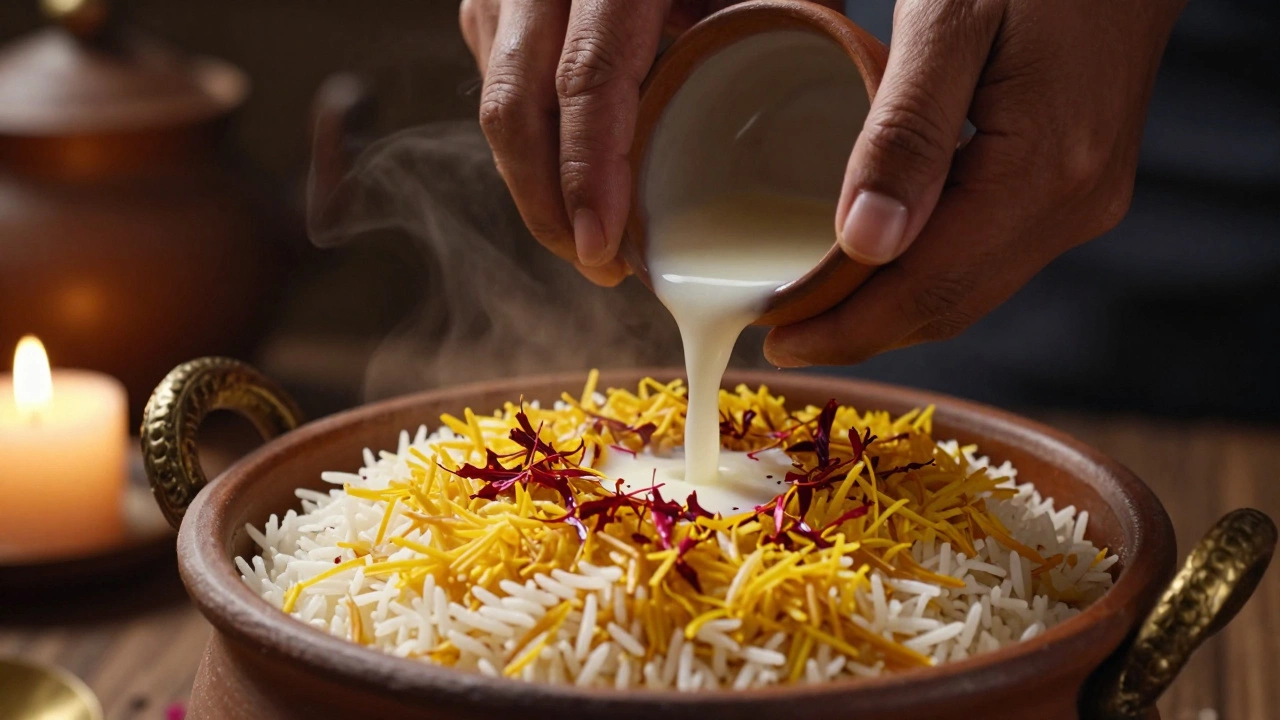
- Add the soaked liquid to the rice during the final layering stage. Never add it to hot oil; heat destroys saffron’s delicate compounds.
- For a 4-person pot of biryani, 10-15 threads is enough. More doesn’t mean better-it can taste medicinal.
I once used 50 threads thinking "more is better." The biryani smelled like a pharmacy. Lesson learned: saffron is potent. A little goes a long way.
Common Mistakes to Avoid
Even experienced cooks slip up. Here’s what to watch for:
- Using turmeric instead of saffron: It gives color but no aroma. Your biryani will look yellow but taste bland.
- Buying fake saffron: Real saffron threads are deep red with orange tips. If it’s all yellow, it’s probably dyed turmeric. Test it: soak a thread in water. Real saffron releases a golden hue; fake turns water bright yellow instantly.
- Adding saffron too early: If you toss it in with the onions or meat, heat destroys its flavor. Always add it at the end during rice layering.
- Overusing it: More than 20 threads per pot makes the dish taste bitter. Stick to 10-15 threads for best results.
I once bought "saffron" from a market that turned out to be safflower. It looked similar but had zero flavor. Always buy from trusted spice shops or online retailers with reviews. In Sydney, I get mine from Spice Emporium-they source directly from Kashmir.
Quick Spice Checklist for Perfect Biryani
Before you start cooking, check these boxes:
- ✅ 10-15 real saffron threads (not powder)
- ✅ 4-5 green cardamom pods (lightly crushed)
- ✅ 1-inch cinnamon stick
- ✅ 2-3 whole cloves
- ✅ 2 bay leaves
- ✅ Freshly ground cumin and coriander (not pre-ground)
Remember: saffron is non-negotiable. If you skip it, you’re not making biryani-you’re making spiced rice.
Frequently Asked Questions
Is saffron the only spice used in biryani?
No, biryani uses a blend of 8-10 spices. But saffron is the only one that gives the dish its signature aroma and golden color. Without it, the flavor profile changes completely. Other spices like cardamom and cinnamon support saffron but can’t replace it.
Can I substitute saffron with turmeric?
Turmeric only adds color, not flavor. Saffron has complex chemical compounds that create floral, honey-like notes. Turmeric lacks these, so your biryani will taste flat and one-dimensional. If you can’t find saffron, skip it entirely rather than using turmeric. Better to have plain rice than a fake biryani.
How much saffron should I use for a biryani?
For a standard 4-person pot, 10-15 saffron threads are perfect. Soak them in 2 tablespoons of warm milk for 10 minutes before adding. More than 20 threads can make the dish bitter. Less than 5 won’t give enough aroma. Quality matters too-real Kashmiri saffron threads are deeper red and more potent than cheaper alternatives.
Why is my biryani not yellow enough?
Saffron needs warmth to release its color. If your rice isn’t yellow, you probably didn’t soak the threads properly. Always soak saffron in warm (not boiling) milk or water for 10 minutes before mixing into rice. Boiling water destroys saffron’s pigments. Also, check if your saffron is real-fake saffron won’t color anything properly.
What’s the difference between Kashmiri and Iranian saffron?
Kashmiri saffron has deeper red threads with orange tips and a stronger aroma. Iranian saffron is often lighter in color and slightly milder in flavor. For biryani, Kashmiri is preferred because it’s more potent. But both work if they’re real. Always buy threads (not powder) and test them: real saffron releases a golden hue in water; fake turns water bright yellow instantly.