Indian Curry Protein & Calorie Calculator
This provides 70% of a standard 50g daily protein goal per meal.
Why this choice?
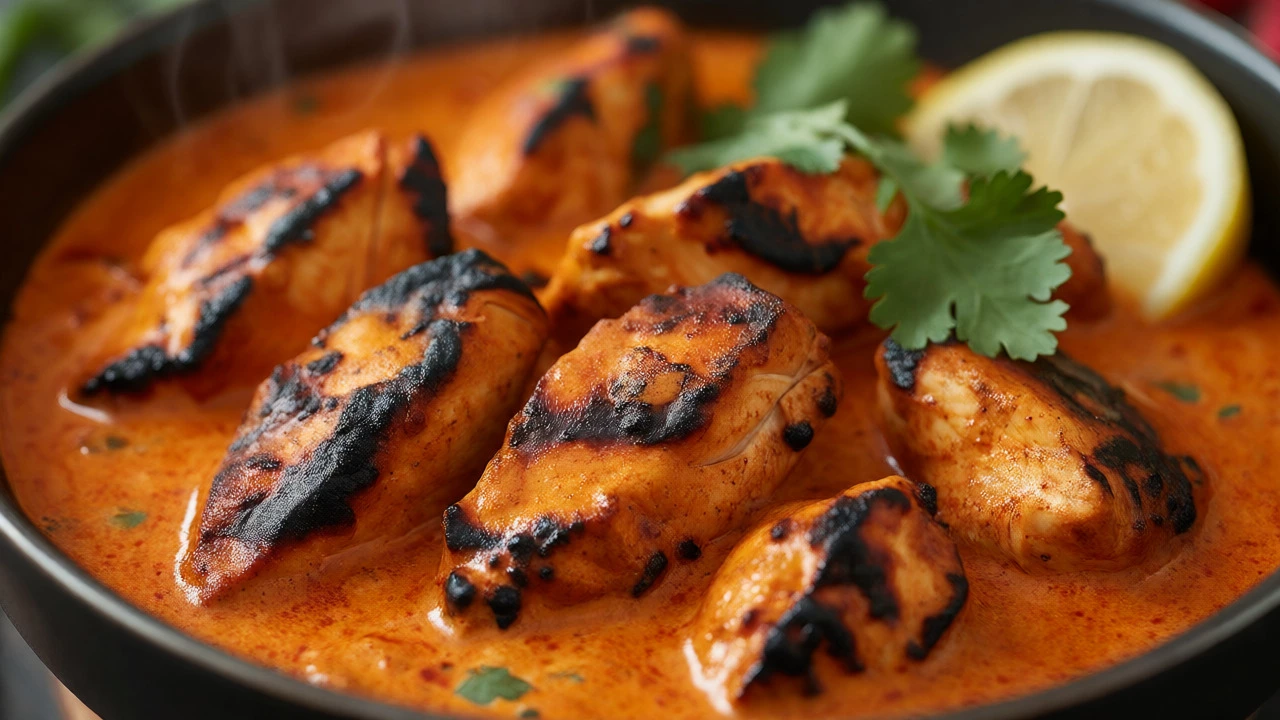
Chicken breast is lean and high in protein. The creamy sauce adds calories but also fat-soluble vitamins.
You’re scrolling through a menu, trying to stick to your fitness goals, and you see it: Indian curry. It looks delicious, but is it going to blow your macros? We’ve all been there. You want flavor without the guilt, or better yet, flavor that actually helps you build muscle. The truth is, not all curries are created equal when it comes to protein content. Some are basically vegetable soup with a heavy cream sauce, while others are protein powerhouses disguised as comfort food.
If you’re looking for the highest protein options in Indian cuisine, you need to look beyond just "chicken" or "fish." The real heroes are often hidden in plain sight-lentils, chickpeas, and dairy products like paneer. Let’s break down exactly which dishes give you the most bang for your buck (and your biceps), so you can order with confidence next time you’re at an Indian restaurant or cooking at home.
The Protein Hierarchy of Indian Curries
When we talk about protein in Indian food, we have to categorize the sources. Generally, animal proteins beat plant-based ones on a per-gram basis, but plant-based options have fiber and micronutrients that animal proteins lack. Here is how the major players stack up.
Chicken Tikka Masala is often cited as the go-to high-protein dish, and for good reason. A standard serving contains roughly 30-40 grams of protein. The chicken breast used in tikka is lean, and even though the sauce is creamy, the sheer volume of meat makes it a winner. However, watch out for the fat content. If you’re cutting, ask for less cream or opt for a tomato-based gravy instead.
Lamb Rogan Josh offers similar protein levels, around 25-35 grams per serving, but it comes with significantly more saturated fat. Lamb is a red meat, rich in iron and zinc, which is great for energy, but if you’re watching your cholesterol, this might not be your daily driver.
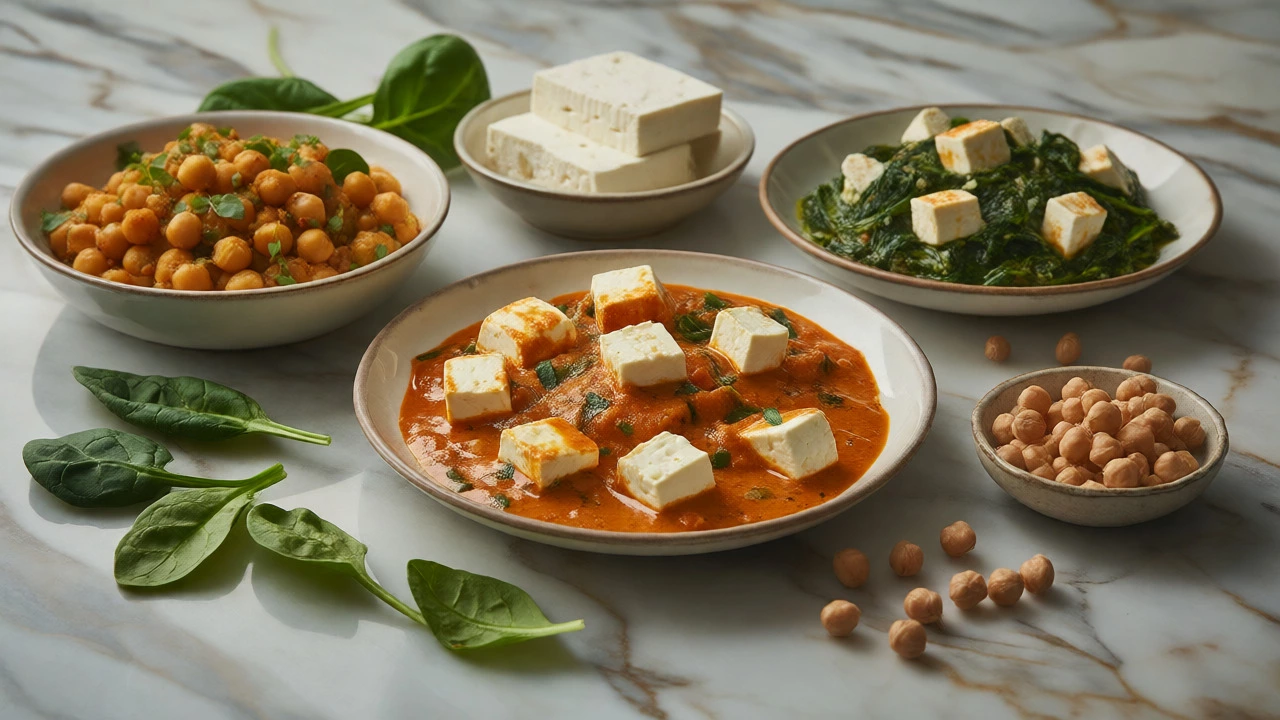
But here is where it gets interesting. Vegetarians often get stuck eating low-protein veggie curries. That’s a mistake. Paneer Butter Masala is a vegetarian heavyweight. Paneer is unaged cheese, and a typical portion delivers about 18-22 grams of protein. Yes, it’s lower than chicken, but it’s also complete protein, meaning it has all nine essential amino acids. Plus, paneer is satiating because of its fat and casein content, keeping you full longer.
Lentils: The Underrated Protein Source
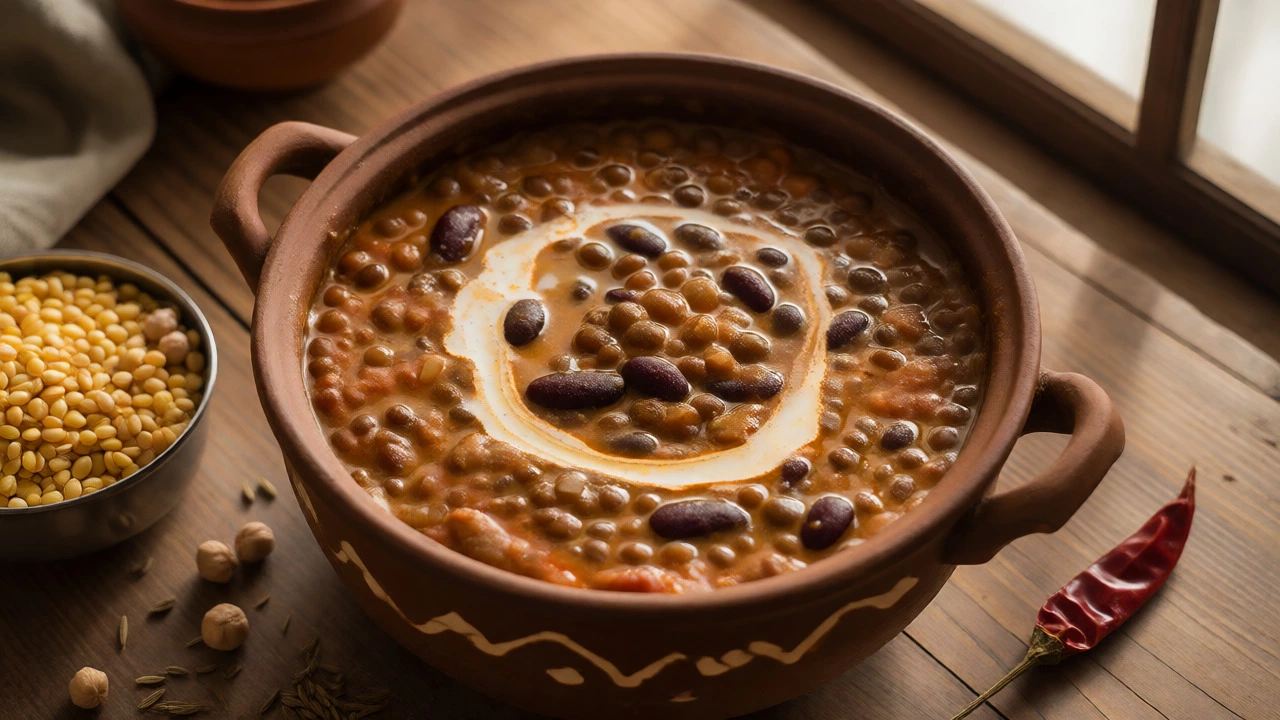
Many people dismiss Dal Makhani or Rajma Masala (kidney bean curry) as simple side dishes. They are wrong. Lentils and beans are some of the most efficient plant-based protein sources available. One cup of cooked dal provides about 18 grams of protein. When you combine dal with rice or roti, you create a complete protein profile, mimicking the amino acid structure of meat.
The catch? The protein density per calorie is lower than chicken. To get 30 grams of protein from dal, you’d need to eat nearly two cups, which adds up in carbs. But if you pair a small bowl of Rajma with a salad and skip the naan, you’ve got a balanced, high-protein meal that costs a fraction of the price of a meat curry.
| Dish Name | Primary Protein Source | Approx. Protein (g) | Calories (kcal) | Best For |
|---|---|---|---|---|
| Chicken Tikka Masala | Chicken Breast | 35g | 450 | Muscle Building |
| Lamb Vindaloo | Lamb Shoulder | 30g | 500 | Iron Intake |
| Paneer Bhurji | Paneer (Cheese) | 22g | 350 | Vegetarian Satiation |
| Rajma Masala | Kidney Beans | 18g | 250 | Fiber & Heart Health |
| Tofu Jalfrezi | Tofu | 15g | 200 | Vegan Low Calorie |
| Palak Paneer | Paneer + Spinach | 20g | 300 | Iron + Calcium |
Why Sauce Matters More Than You Think
It’s not just about the main ingredient; it’s about what it’s swimming in. Traditional North Indian gravies rely heavily on cashew paste, cream, and butter. This adds richness but dilutes the protein-to-calorie ratio. If you’re strictly chasing protein efficiency, look for dry curries or those with thin, tomato-onion based sauces.
Consider Chana Masala (chickpea curry). Chickpeas offer about 15 grams of protein per cup. But if the chef loads it with ghee and cream, you’re adding empty calories. Compare this to a South Indian style Sambar, which uses tamarind and vegetables with minimal oil. While Sambar has slightly less protein density due to higher water content, it allows you to eat larger portions without blowing your calorie limit, making it easier to hit your total daily protein target.
Regional Differences: North vs. South
Your geography within India matters. Northern Indian cuisine tends to use more dairy and wheat, leading to richer, heavier curries. Southern Indian cuisine relies more on rice, coconut, and legumes. If you’re in Sydney or London, most restaurants serve North Indian styles by default. This means you’re likely getting more cream and butter than you realize.
To maximize protein in a Southern-style context, look for Curd Rice paired with a high-protein side like Paruppu Usili (lentil stir-fry). Or, try Egg Roast (Anda Curry), which is common in Kerala cuisine. Two eggs provide 12 grams of high-quality protein, and when made with spices and onions rather than heavy cream, it’s a fantastic low-carb option.
How to Hack Your Order for Maximum Protein
You don’t have to change your diet drastically. Small tweaks can double your protein intake without changing the taste much.
- Skip the Naan: One piece of garlic naan has about 5g of protein but 300+ calories. Replace it with a side of steamed broccoli or a green salad.
- Add Tandoori Chicken: Many restaurants will add extra chicken pieces to any curry for a small fee. Ask for grilled chicken instead of fried pakoras.
- Choose Dry over Gravy: Dishes like Chicken Chettinad or Paneer Tikka Masala (dry version) often have less filler sauce and more actual food mass.
- Double the Dal: If you’re vegetarian, order two types of lentils. Mixing black gram (dal makhani) with yellow lentils (moong dal) diversifies your amino acid intake.
Common Myths About Indian Food and Protein
Myth #1: All Indian food is carb-heavy. False. While bread and rice are staples, many traditional dishes are centered around pulses and meats. The problem arises when we overload the plate with rice. Focus on the curry itself, not the accompaniments.
Myth #2: Vegetarian Indian food lacks protein. Also false. As shown above, paneer, lentils, and chickpeas provide substantial protein. The issue is bioavailability and quantity. You need to eat more volume of plant-based foods to match the protein in a chicken breast, but it’s entirely doable.
Myth #3: Creamy curries are unhealthy. Not necessarily. Dairy fats contain conjugated linoleic acid (CLA) and can be part of a healthy diet. The danger is portion size and added sugars in some commercial sauces. Homemade versions allow you to control the fat source, using yogurt instead of heavy cream for a protein boost.
Final Verdict: What Should You Eat?
If you want the absolute highest protein, Chicken Tikka Masala or Grilled Fish Curry wins. If you’re vegetarian, Paneer Dishes are your best bet for satiety and protein density. If you’re vegan, Rajma Masala or Chana Masala combined with quinoa or brown rice offers a solid profile.
Remember, consistency beats perfection. Enjoying a flavorful, high-protein curry is better than forcing down bland chicken and rice every day. Use these insights to navigate menus smarter, and you’ll find that Indian cuisine can be one of the most effective allies in your health journey.
Which Indian curry has the least calories?
Dishes like Palak Paneer (if made with less cream) or vegetable-based curries like Baingan Bharta tend to be lower in calories compared to rich meat curries. However, always check if the recipe uses excessive ghee or oil, which spikes calorie counts quickly.
Is Dal a good source of protein for muscle building?
Yes, but it works best when combined with grains. Dal is incomplete on its own regarding certain amino acids, but pairing it with rice or roti creates a complete protein profile. For serious muscle building, consider adding a scoop of whey protein or consuming eggs alongside your dal.
Can I make high-protein Indian curry at home?
Absolutely. Use Greek yogurt instead of heavy cream for tanginess and protein. Add cubed tofu or extra paneer to vegetable curries. Use skinless chicken thighs or breasts for meat dishes. Cooking with minimal oil and focusing on spice blends allows you to keep calories low while maximizing nutrient density.
Does Biryani have a lot of protein?
Biryani is primarily a carbohydrate-heavy dish due to the large amount of basmati rice. While chicken or mutton biryani does contain protein, the ratio is skewed toward carbs. A standard serving might have 20-25g of protein but over 600 calories. It’s less efficient for protein goals than a dry curry.
Are Indian snacks high in protein?
Most traditional Indian street snacks (pakoras, samosas) are deep-fried and carb-heavy. However, options like Dhokla (steamed chickpea flour cake) or roasted chana (chickpeas) are surprisingly good sources of protein and fiber, making them excellent healthy snack alternatives.