
Cultural Etiquette & Terminology Checker
Select a term or scenario below to see its cultural context, respect level, and usage advice based on current etiquette guidelines.
Select a term to view details
Click an option on the left to see its respect level, context, and usage advice.
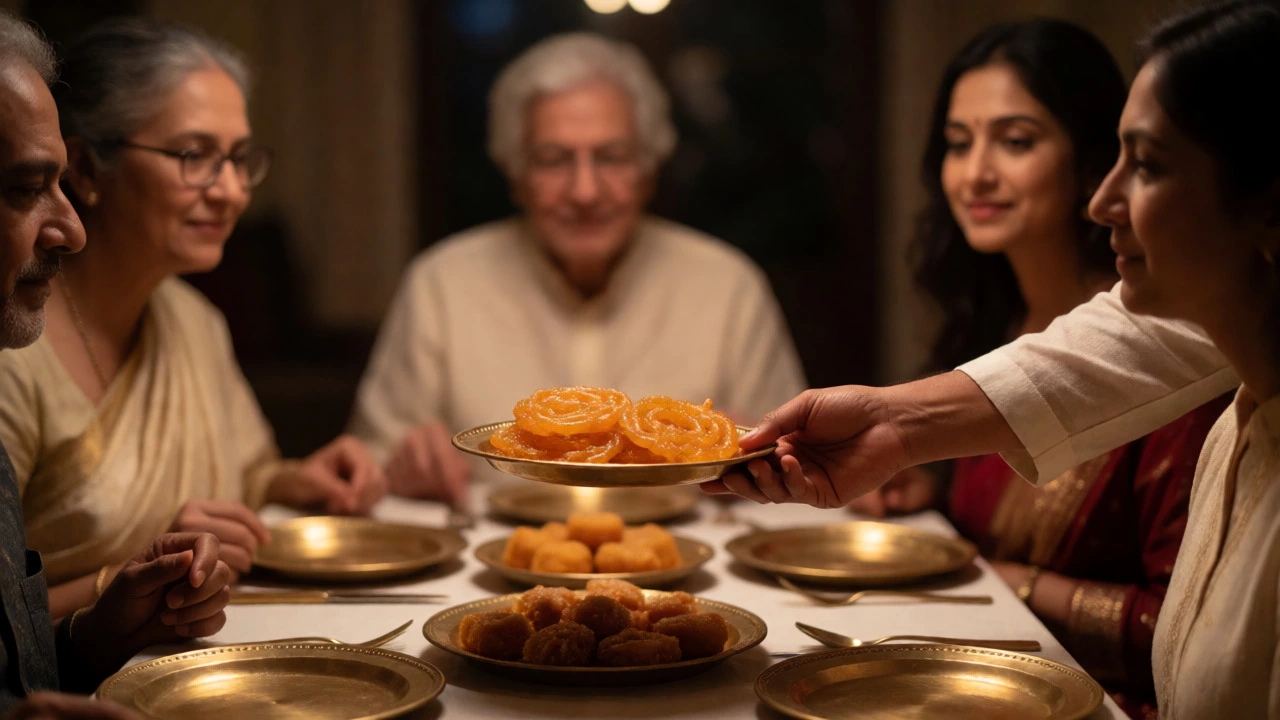
You are standing in a kitchen in Sydney, holding a tray of freshly made gulab jamun, and you want to share them with your neighbors. You ask, "Do you like Indian food?" But then you pause. Is that the right way to say it? Is it respectful? Or should you use a different term?
This hesitation is common. Language evolves fast, especially when it comes to identity and culture. What was acceptable ten years ago might feel outdated today. If you are cooking, hosting, or just chatting about Indian cuisine, knowing the most respectful and accurate terms matters. It shows respect for the people behind the recipes.
| Term | Context | Respect Level |
|---|---|---|
| Indian | General nationality; widely accepted | High (Standard) |
| Bharatiya | Formal/Traditional; derived from 'Bharat' | Very High (Cultural) |
| Hindustani | Historical/Linguistic; sometimes political | Mixed (Use with care) |
| South Asian | Regional umbrella term | Neutral (Accurate but broad) |
The Standard: Why "Indian" Works Best
Let's clear up the biggest myth first: Indian is not a slur. It is the demonym for citizens of India. Just as someone from France is French, someone from India is Indian. In everyday conversation, media, and international settings, this is the default term. Using it is polite, clear, and completely appropriate.
Why do people worry about it? Sometimes, confusion arises because "Indian" can also refer to Indigenous peoples of the Americas. Context usually solves this. If you are talking about curry or cricket, no one thinks you mean First Nations Australians. However, if you are in a diverse community setting, being specific helps. Instead of just saying "Indian," you might say "Indian-Australian" or specify the region, like "Punjabi" or "Tamil." This adds precision and shows you see the individual, not just the label.
Going Deeper: The Power of "Bharatiya"
If you want to show extra cultural awareness, consider the term Bharatiya. This word comes from Bharat, the official Hindi name for India. It carries a deeper historical and cultural weight. It connects to ancient texts and traditional identity rather than just modern borders.
When should you use it? Mostly in formal contexts, religious discussions, or when speaking with elders who prefer traditional terminology. For example, at a Diwali celebration, saying "Happy Diwali to all my Bharatiya friends" feels warm and respectful. But be careful-don't force it. If you call your casual friend "a true Bharatiya," they might find it stiff or overly formal. Use it when the moment calls for dignity and tradition, not for ordering coffee.
Regional Specificity: The Ultimate Respect
Here is the secret most guides miss: the most respectful thing you can do is stop using one big label. India is not a monolith. It is a continent-sized country with 28 states and 8 union territories. Each has its own language, dress, and food traditions.
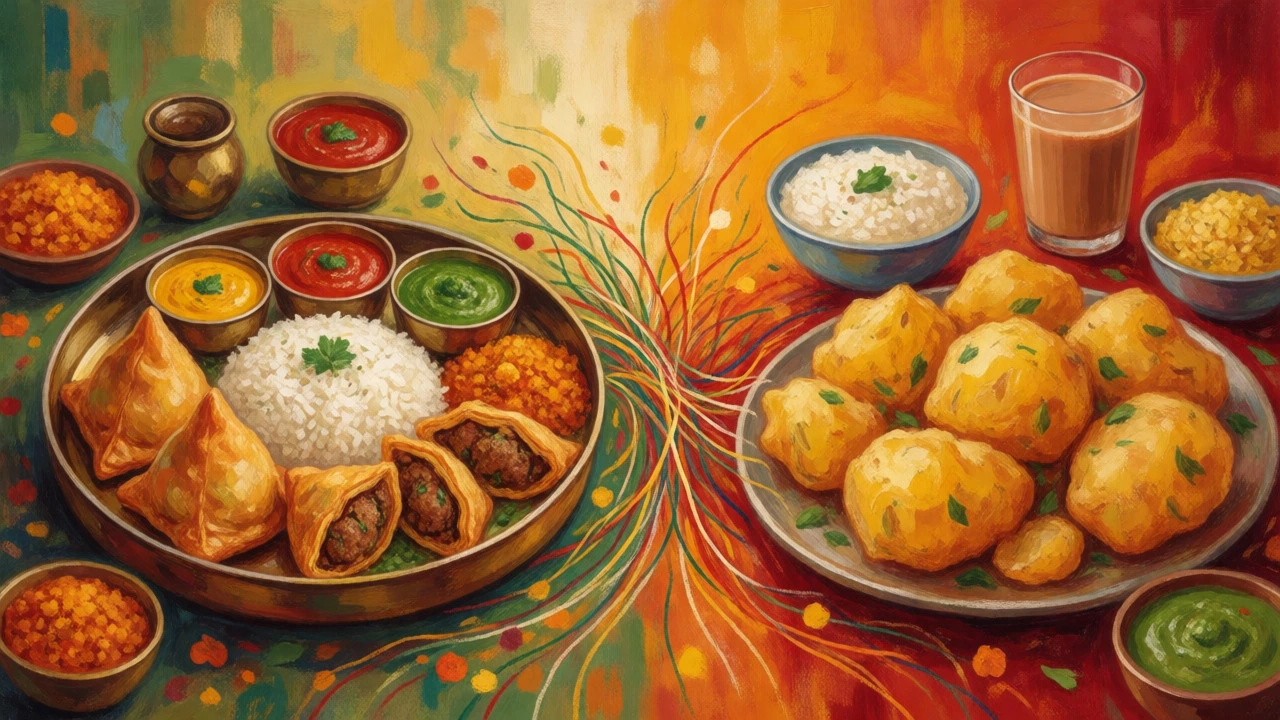
Think about samosas. In Delhi, they are often meat-filled and eaten with chutney. In Kolkata, they are larger, potato-heavy, and served with tea. Calling both just "Indian snacks" flattens these rich differences. When you know someone is from Kerala, calling their food "Kerala cuisine" instead of generic "Indian food" signals genuine interest. It acknowledges their unique heritage. This approach works wonders in professional settings too. A colleague from Gujarat will appreciate being recognized for their Gujarati background more than being lumped into a vague "Indian" category.
Avoiding Pitfalls: Words That Can Backfire
Not all terms land well. Hindustani is tricky. Historically, it referred to people from the Hindustan region (North India) and the Urdu/Hindi language blend. Today, some find it nostalgic, while others associate it with colonial-era classifications or political tensions between North and South India. Unless you are discussing linguistics or history, skip it.
Also, avoid racialized slang. Terms like "Curry" as a standalone noun for a person (e.g., "He's a curry") are outdated and often considered derogatory. Stick to nouns related to culture or nationality, not food stereotypes. And please, drop the accent mimicry. If you can't pronounce a name correctly, ask how to say it. Getting it wrong once is fine; refusing to learn is rude.
Connecting Language to Food Culture
Since you are interested in recipes, let's tie this back to the kitchen. Language shapes how we experience food. When you describe jalebi as "just fried dough," you miss the point. It is a delicate spiral of fermented batter, deep-fried and soaked in saffron-cardamom syrup. Knowing the respectful names for ingredients elevates your cooking.
- Ghee: Clarified butter. Don't call it "oily butter." It is a sacred ingredient in many rituals.
- Chaat: Savory street food. Not "messy snacks." It is a complex balance of sweet, sour, spicy, and crunchy.
- Thali: A platter meal. Not "mixed plates." It represents balance and completeness in Ayurvedic philosophy.
Using correct terminology honors the effort put into creating these dishes. It tells your guests, "I understand where this comes from." That respect makes the food taste better. Seriously, context enhances flavor perception.
Practical Guide for Daily Interactions
So, what do you actually say? Here is a quick cheat sheet for common scenarios.
- At a Restaurant: Ask the server, "Is this dish from North or South India?" This opens a conversation and shows curiosity without assuming.
- With Colleagues: Listen to how they introduce themselves. Do they say "I'm Indian" or "I'm Tamil"? Mirror their choice.
- In Writing: Use "Indian" for general audiences. Use regional identifiers if the topic is specific, like "Andhra chili pickle" instead of "Indian pickle."
- When Unsure: Just ask. "I want to be respectful-do you prefer Indian or [specific region] descriptor?" Most people appreciate the effort.
Remember, intent matters more than perfection. You don't need a PhD in sociology to cook a good biryani. But showing that you care about the people behind the recipe builds stronger connections. Whether you are sharing sweets during festivals or collaborating on a project, respectful language sets the tone.
Is "Desi" a respectful word for Indian?
"Desi" is widely used among South Asians in the diaspora, including Indians, Pakistanis, and Bangladeshis. It means "from the homeland." While generally affectionate and inclusive within the community, it can be ambiguous if you are trying to distinguish between nationalities. Use it only if the context clearly includes multiple South Asian cultures or if the person identifies with it.
Should I say "East Indian" to distinguish from Native Americans?
In Australia and most Commonwealth countries, "Indian" rarely causes confusion with Indigenous Australians. However, in the US or Canada, specifying "East Indian" or "South Asian" can help clarity. Always prioritize the preference of the individual you are speaking with over rigid geographic rules.
Is it offensive to use the term "Hindu" to refer to an Indian person?
Yes, it can be. Hinduism is a religion, not a nationality. Many Indians are Muslim, Christian, Sikh, Jain, Buddhist, or atheist. Assuming an Indian person is Hindu based on their ethnicity is inaccurate and potentially offensive. Keep religion and nationality separate unless the person specifies otherwise.
How does language affect the perception of Indian sweets?
Using precise terms like "mithai" (sweets) instead of generic "desserts" preserves cultural context. It highlights the distinct techniques, such as milk reduction or syrup soaking, which differ from Western baking methods. Accurate naming invites diners to appreciate the craft rather than viewing it through a familiar but incorrect lens.
Are there any terms I should absolutely avoid?
Avoid outdated colonial terms like "coolie" or racial slurs rooted in skin color. Also, steer clear of reducing entire cultures to single foods, like calling someone a "curry." These terms carry historical baggage of exploitation and stereotyping. Stick to neutral, descriptive, or self-identified terms.