Mild Indian Dish Explorer
Discover the most beloved mild Indian dishes. Filter by preference or check out our top picks for a gentle culinary experience.
👨🍳 Pro Tips for Keeping It Mild
You might think Indian food equals fire. You picture red chili powder clouds and sweat dripping down your forehead before you even take the first bite. But here is the truth: some of the most beloved dishes in India are barely spicy at all. If you are new to mild Indian dish options, or if your palate just prefers comfort over heat, you have plenty of delicious choices that won't burn your tongue.
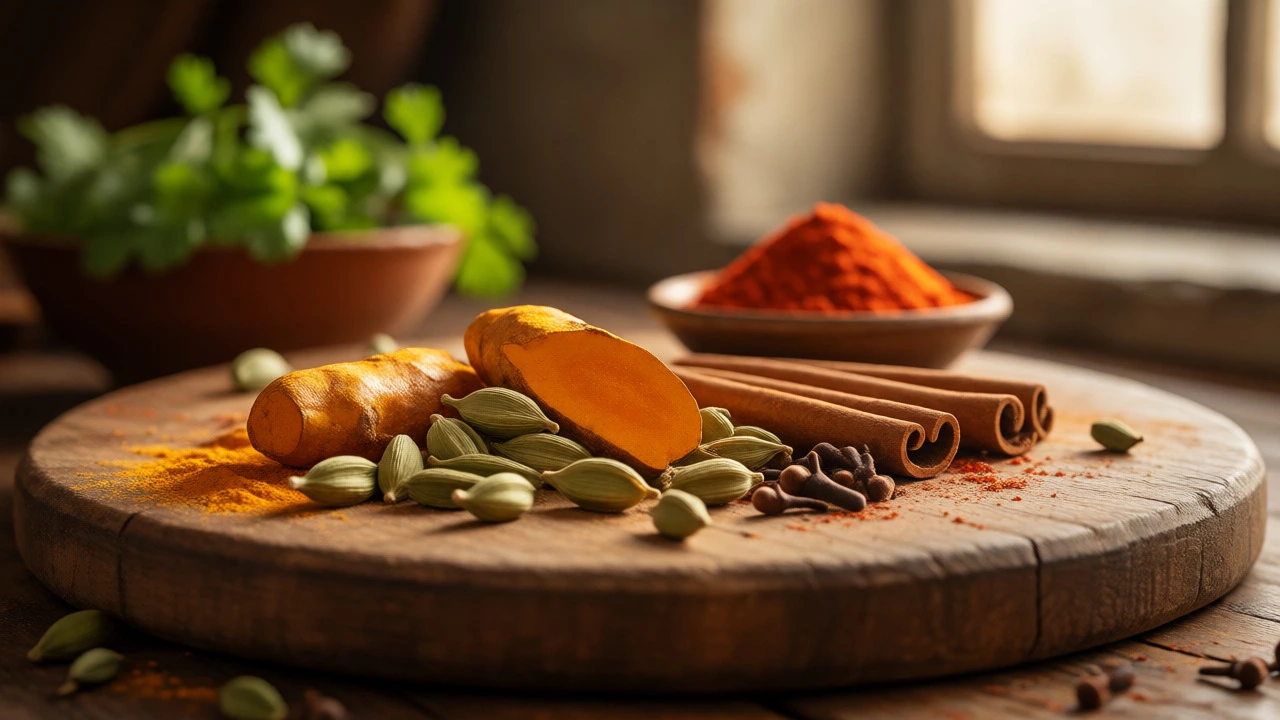
The confusion often comes from mixing up "spicy" with "flavorful." Indian cuisine uses spices like cumin, coriander, turmeric, and cardamom for aroma and depth, not just for heat. Heat comes primarily from chilies (capsaicin). You can remove the chilies entirely and still have a rich, complex meal. So, what exactly counts as a very mild Indian dish? Let's break down the top contenders, why they work, and how you can make them yourself without turning your kitchen into a sauna.
Why Some Indian Dishes Are Naturally Mild
Before we list specific recipes, it helps to understand the mechanics. Most North Indian curries start with a base of onions, tomatoes, ginger, garlic, and yogurt or cream. The heat level depends on two things: the type of chili used and whether the seeds are included. Green chilies are hot; dried red chilies vary widely. Kashmiri red chili powder, for instance, gives vibrant color but almost no heat. Many traditional recipes rely on this distinction.
Dairy plays a huge role too. Yogurt, milk, and cream coat the tongue and neutralize capsaicin. This is why creamy dishes like Korma feel so soothing. If you are looking for Korma is a mild, creamy curry typically made with yogurt, nut pastes, and aromatic spices rather than chilies, you are already on the right track. These dishes are designed to be comforting, often served during celebrations or when guests prefer gentler flavors.
The Top Contenders for the Mildest Indian Dishes
If you want zero regret and maximum flavor, these four dishes are your best bets. They appear on menus across India and are staples in home kitchens for people who dislike spice.
1. Butter Chicken (Murgh Makhani)
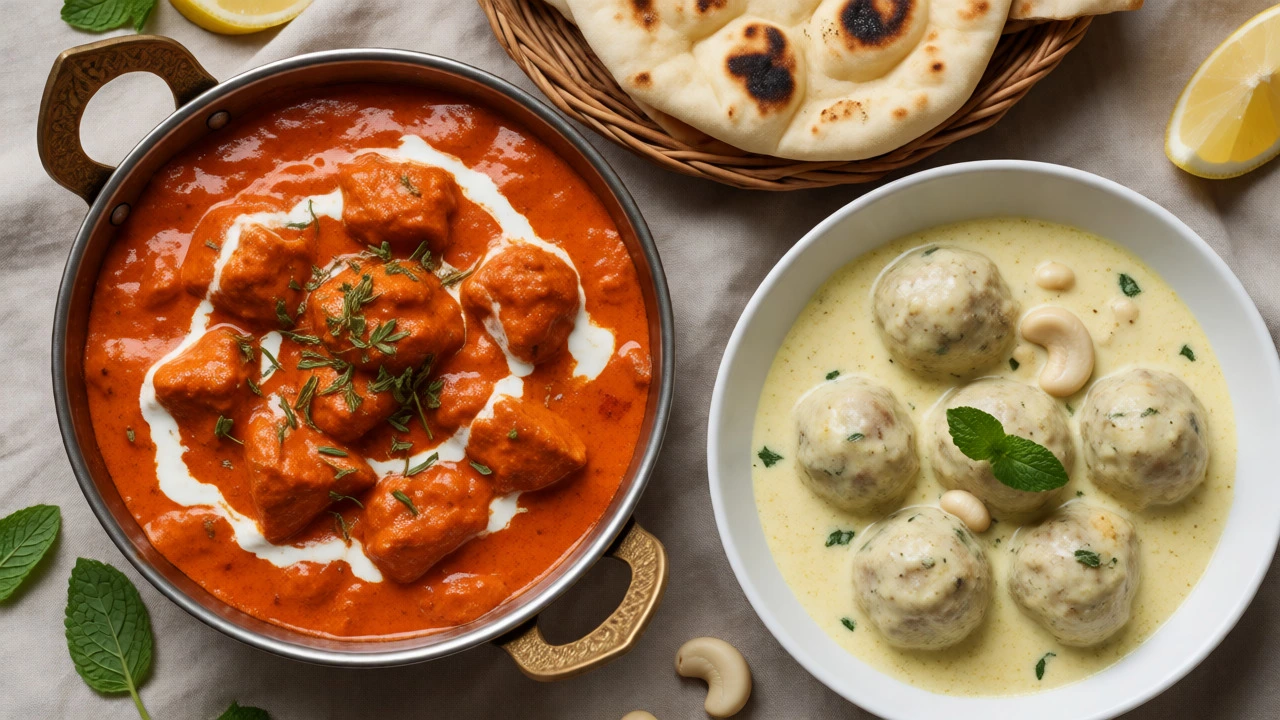
This is arguably the most famous mild Indian dish globally. Originating in Delhi, Butter Chicken is a tandoori chicken curry enriched with butter, cream, and tomato puree. The sauce is sweet, tangy, and incredibly smooth. While some versions add a pinch of chili, authentic restaurant styles often omit green chilies entirely, relying on fenugreek leaves (kasuri methi) for that signature earthy aroma. It pairs perfectly with naan bread, which soaks up the gravy beautifully.
2. Malai Kofta
If you prefer vegetarian options, Malai Kofta is a dream come true. "Malai" means cream, and "Kofta" refers to dumplings made from paneer (Indian cheese) and potatoes. These balls are fried lightly and then simmered in a white gravy based on cashew paste, milk, and cream. There is virtually no heat here. The flavor profile is nutty, slightly sweet, and rich. It’s elegant enough for dinner parties but simple enough for weeknight cooking.
3. Palak Paneer
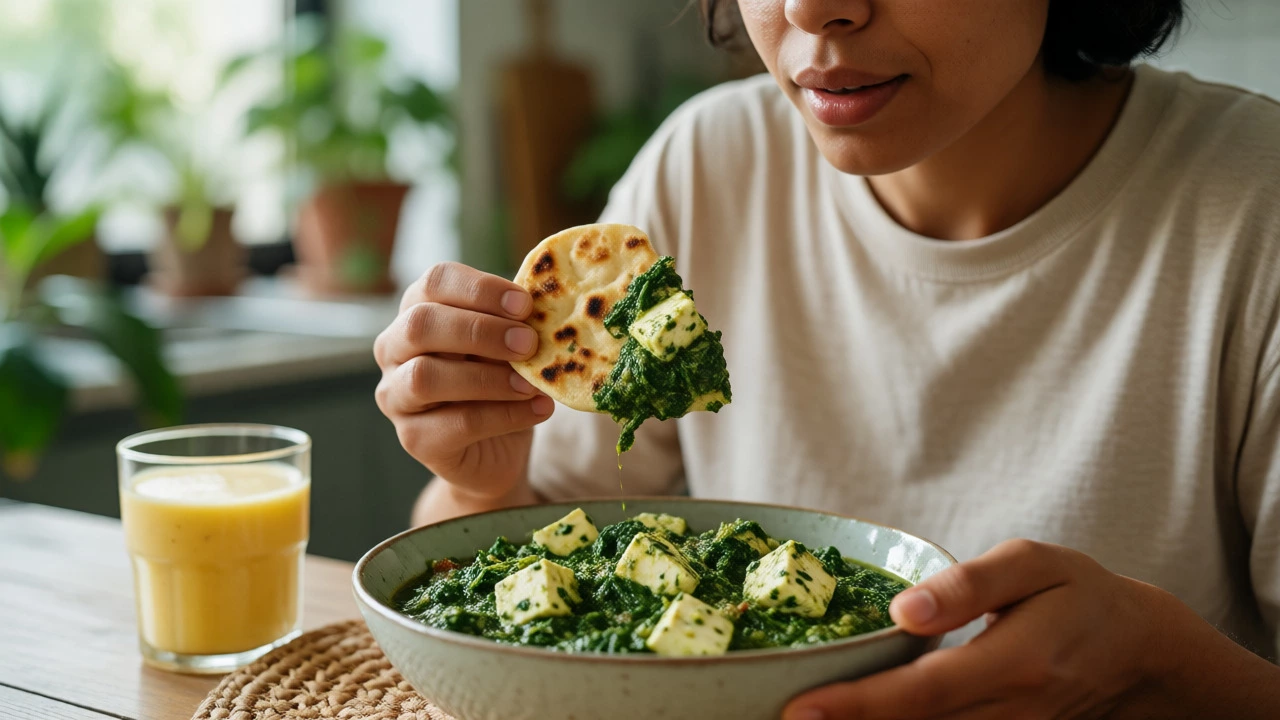
Popeye would love this one. Palak Paneer is a spinach-based curry with cubes of soft cottage cheese, seasoned with garlic and garam masala. While some cooks add green chilies, many families skip them completely. The earthiness of the spinach balances the richness of the paneer. Just ask your server (or control the stove) to leave out the chilies, and you have a healthy, protein-packed, mild meal.
4. Dal Makhani
Don’t let the dark color fool you. Dal Makhani is made from black lentils (urad dal) and kidney beans, slow-cooked with butter and cream. Unlike yellow dals that might use tempering with dried red chilies, Dal Makhani gets its flavor from smoky charcoal infusion and aromatics. It is thick, velvety, and deeply savory. A small amount of paprika or Kashmiri chili powder might be added for color, but it rarely adds significant heat.
How to Identify Mild Dishes on Menus
When you are ordering out, knowing the names isn't always enough. Here is a quick guide to spotting safe options versus risky ones.
| Dish Name | Base Ingredients | Typical Spice Level | Customization Tip |
|---|---|---|---|
| Butter Chicken | Tomato, Cream, Butter | Mild | Ask for "no chili" to ensure safety. |
| Vindaloo | Vinegar, Garlic, Red Chili | Very Hot | Avoid if you hate heat; vinegar amplifies spice. |
| Korma | Yogurt, Nuts, Coconut | Mild | Safe bet for almost everyone. |
| Rogan Josh | Lamb, Fennel, Dry Chilies | Medium-Hot | Can be toned down, but usually has heat. |
| Chicken Tikka Masala | Tomato, Cream, Spices | Medium | Often spicier than Butter Chicken; check first. |
| Dal Tadka | Lentils, Ghee, Cumin | Variable | Tempering may include chilies; ask for no tempering chilies. |
Notice the pattern? Creamy bases (white sauces) are generally milder than tomato-based or vinegar-based sauces. Nut-based gravies (like Korma) are also safer than those relying heavily on dried red chili powder for body.
Cooking Tips for Keeping Your Kitchen Cool
If you are trying to cook a mild Indian dish at home, you don't need to compromise on authenticity. Here is how to keep the heat low while keeping the taste high.
- Skip the Seeds: If a recipe calls for fresh green chilies, slice them open and scrape out the white pith and seeds. That is where most of the heat lives. The flesh alone provides a subtle kick without the burn.
- Use Kashmiri Chili Powder: Buy this specifically. It looks bright red but tastes almost sweet. It gives your curry that beautiful orange-red hue without making you cry.
- Add Dairy Late: Stir in heavy cream, coconut milk, or yogurt at the end of cooking. This creates a barrier against any residual spice and rounds out harsh edges.
- Bloom Spices in Oil, Not Water: Toast whole spices like cumin seeds and cloves in ghee or oil first. This releases their essential oils and deepens flavor without adding capsaicin.
One common mistake beginners make is assuming "curry" means spicy. In British English, "curry" became a catch-all term for any saucy Indian dish. In reality, many regional cuisines, such as Gujarati or certain South Indian styles, lean toward sweetness or sourness rather than heat. For example, Gujarati Thali often includes jaggery (unrefined sugar) in vegetable curries, balancing any potential spice.
Pairing Mild Dishes with Breads and Rice
What you eat alongside your curry matters. Plain basmati rice is neutral and absorbs gravy well. But if you want to enhance the mild experience, try these pairings:
- Naan Bread: Leavened flatbread baked in a tandoor. Its slight chewiness contrasts nicely with creamy kormas.
- Raita: A yogurt side dish with cucumber and mint. It acts as a natural coolant. Even if your dish accidentally has a little heat, raita will fix it instantly.
- Mango Lassi: A sweet yogurt drink. The dairy proteins bind to capsaicin, washing away any lingering burn.
These accompaniments aren't just sides; they are part of the culinary strategy to balance flavors. Indian meals are built around the concept of six tastes: sweet, sour, salty, bitter, pungent, and astringent. A mild dish focuses on sweet, salty, and umami, letting the other elements shine through subtlety.
Common Myths About Mild Indian Food
You might hear friends say, "That's not real Indian food if it's not spicy." That is a myth. History shows us that Mughal emperors, who ruled much of India for centuries, preferred rich, aromatic, and often mild dishes. Their chefs used expensive nuts, fruits, and creams to create luxurious textures. Dishes like Shahi Paneer (Royal Cheese) were created for royalty, not for testing pain thresholds.
Another misconception is that mild food is bland. Nothing could be further from the truth. Without the crutch of intense heat, you notice the nuances more. The sweetness of caramelized onions, the floral note of cardamom, the warmth of cinnamon-these become the stars of the show. Cooking mild forces you to pay attention to technique, ensuring every layer of flavor is properly developed.
Is Butter Chicken always mild?
Generally, yes. Traditional Butter Chicken is known for its creamy, tomato-based sauce with minimal heat. However, some modern fusion restaurants may add extra chili powder or green chilies for a kick. Always ask if you are sensitive to spice.
What is the mildest Indian curry?
Korma is typically considered the mildest major curry category. Variations like Malai Kofta or Shahi Paneer, which rely on cream, nuts, and yogurt, are also extremely gentle on the palate compared to Vindaloo or Phaal.
Can I make Indian food less spicy after cooking?
Yes. Adding dairy products like yogurt, cream, or coconut milk can reduce perceived spiciness. Sugar or honey can also help mask heat. Serving the dish with plain rice or bread helps dilute the spice concentration with each bite.
Are all vegetarian Indian dishes mild?
No. Many vegetarian dishes, especially from Andhra or Telugu regions, can be quite spicy. However, North Indian vegetarian dishes like Palak Paneer, Malai Kofta, and Dal Makhani are commonly prepared with low to moderate spice levels.
What spice gives color without heat?
Kashmiri red chili powder is famous for providing vibrant red color with very little heat. Turmeric also adds yellow color and earthy flavor but no spiciness. Paprika is another common substitute in Western adaptations for color without heat.