Find Your Perfect Indian Drink
Select a need below to discover which traditional Indian beverage is best suited for your situation.
Feeling Dehydrated?
HydrationNeed Energy Boost?
StimulantJust Ate Heavy Meal?
DigestionOverheated / Spicy Food?
CoolingCraving a Dessert?
IndulgenceWant Probiotics?
WellnessClick a card above to see the recommendation...
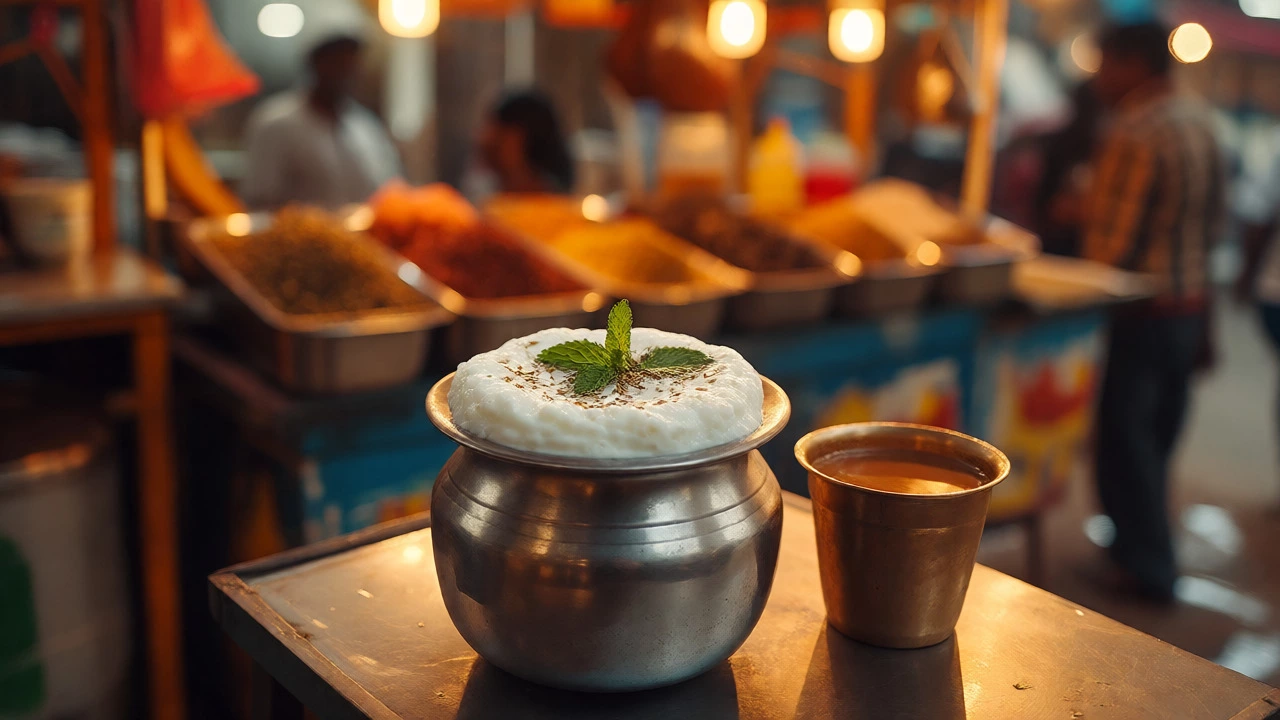
You might think you know Indian drinks because you’ve had a mango lasso at a restaurant or sipped a strong cup of chai. But if you ask someone in Mumbai what they’re drinking on a hot afternoon, the answer might be something completely different from what you expect. It could be a salty buttermilk called chaas, a fermented rice water known as kanjika, or a cooling herbal infusion that’s been used for centuries to balance body heat.
The truth is, there isn’t one single "Indian drink." India is a massive subcontinent with diverse climates, cultures, and traditions. What people drink depends entirely on where they are, what time of year it is, and whether they need energy, hydration, or digestion help. This guide breaks down the real landscape of traditional Indian beverages, so you can understand not just what they taste like, but why they exist.
The Core Categories of Indian Beverages
To make sense of the variety, it helps to group these drinks by their primary function. Most traditional Indian beverages fall into three buckets: dairy-based, spice-infused teas/coffees, and fermented/herbal coolants. Each serves a specific physiological purpose rooted in Ayurveda, the ancient system of medicine practiced across South Asia.
Dairy drinks like Lassi and Chaas (buttermilk) are protein-rich and often aid digestion. They are typically consumed after meals or during hot weather. On the other hand, Masala Chai is a stimulant beverage made with black tea, milk, sugar, and aromatic spices like cardamom, ginger, and cloves. It’s the fuel of daily life for millions. Finally, fermented drinks like Kanjika and Toddy offer probiotics and electrolytes, crucial for surviving humid monsoons or scorching summers.
Dairy-Based Drinks: Lassi and Chaas
If you only try one traditional drink, start here. These are accessible, delicious, and deeply embedded in daily routines.
Lassi is a yogurt-based smoothie. In Punjab, the state famous for its dairy production, lassi is thick enough to eat with a spoon. You’ll find two main types: sweet lassi, often flavored with rose syrup or saffron, and salted lassi, which includes roasted cumin and mint. Sweet lassi is a dessert; salted lassi is a digestive aid. The fat content in full-fat yogurt makes it incredibly satiating, which is why farmers in North India rely on it for sustained energy in the fields.
Chaas (or Namkeen Chaas) is essentially diluted, churned yogurt mixed with water, salt, and spices. Unlike lassi, chaas is thin and watery. It’s less about indulgence and more about rehydration. If you’ve ever felt sluggish after a heavy meal, a glass of cold chaas with a pinch of asafoetida (hing) can reset your stomach. It’s lighter than lassi and doesn’t leave you feeling bloated.
The Spice Route in a Cup: Masala Chai and Filter Coffee
Tea and coffee dominate the urban landscape, but they aren’t brewed the way you might expect in Western cafes.
Masala Chai is boiled, not steeped. This distinction matters. Boiling extracts tannins from the tea leaves and infuses the spices directly into the liquid. The result is a robust, creamy beverage that hits hard. Street vendors use high-quality loose-leaf tea and fresh ingredients, creating a complex flavor profile that changes based on the vendor’s hand. There is no standard recipe-some add pepper for heat, others lean heavily on cardamom for sweetness. It’s comfort food in liquid form.
In South India, specifically Tamil Nadu and Karnataka, Filter Coffee reigns supreme. Made from a blend of coffee beans and chicory, this brew is strong, dark, and served in metal tumblers. The frothy top layer, created by pouring the coffee back and forth between two vessels, is iconic. Chicory adds body without caffeine, making it smoother than pure espresso but still potent enough to wake you up. If you visit Chennai, skipping filter coffee is like visiting Paris and skipping bread.

Fermented and Herbal Coolants: Beyond Tea and Milk
This is where things get interesting for health-conscious readers. Many traditional drinks are functional foods designed to combat heatstroke and improve gut health.
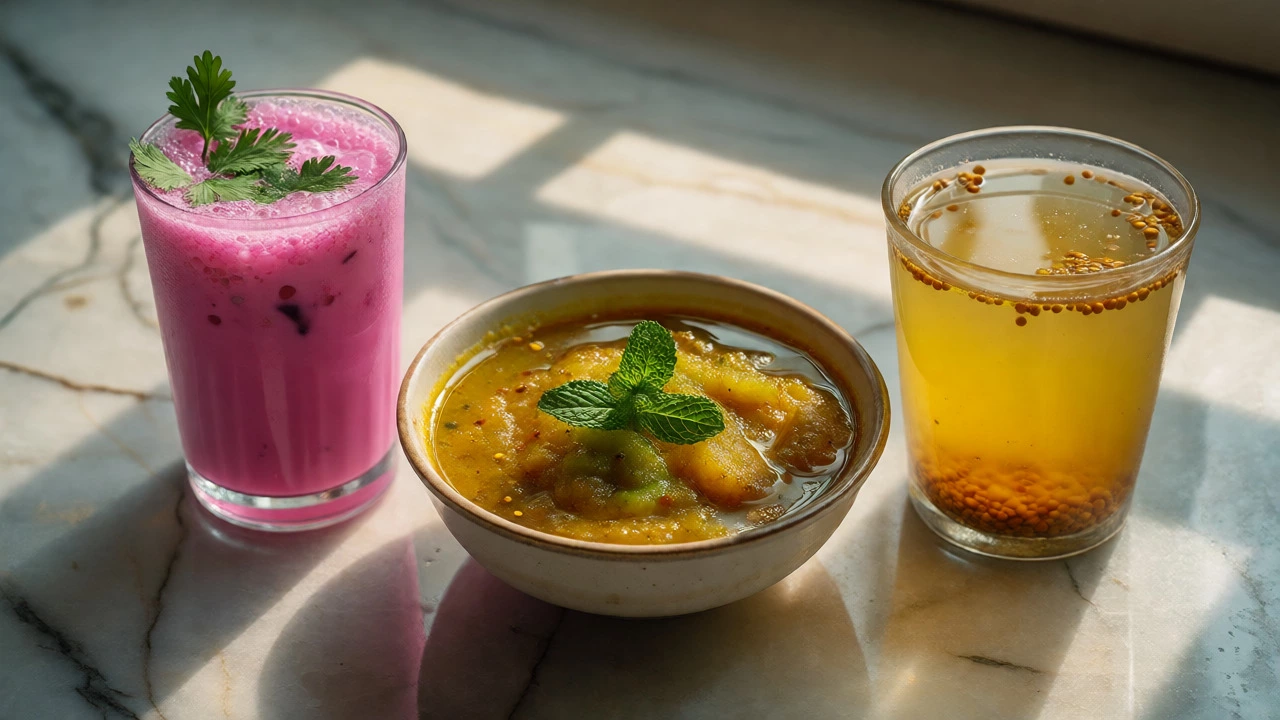
Sol Kadhi is a pink-hued drink from Goa and Konkan regions. It’s made from kokum fruit and coconut milk. Kokum is rich in hydroxy citric acid (HCA), which some studies suggest may help suppress appetite. More importantly, it’s intensely cooling. Locals drink it after spicy meals to neutralize the burn. It tastes sour, creamy, and slightly smoky-a unique combination that surprises first-timers.
Aam Panna is made from raw green mangoes, jaggery (unrefined cane sugar), and mint. Green mangoes are packed with pectin and vitamin C. During peak summer (April-June), households across India prepare batches of this thick, tangy syrup and mix it with water when needed. It’s nature’s electrolyte drink, far superior to many commercial sports drinks that are loaded with artificial colors.
For those interested in fermentation, Kanjika is an ancient vinegar-like drink made by fermenting rice water with mustard seeds, garlic, and chilies. It’s low-calorie, aids digestion, and has antimicrobial properties. While less common in cities today, it’s experiencing a revival among wellness enthusiasts looking for authentic, low-sugar options.
Regional Variations: Geography Dictates Taste
You cannot separate Indian drinks from geography. The climate determines the ingredients.
| Drink Name | Region | Main Ingredients | Primary Benefit |
|---|---|---|---|
| Lassi | Punjab/North India | Yogurt, Water, Sugar/Salt | Protein & Digestion |
| Masala Chai | Nationwide | Black Tea, Milk, Spices | Energy & Warmth |
| Filter Coffee | South India | Coffee, Chicory, Milk | Caffeine Boost |
| Sol Kadhi | Goa/Konkan | Kokum, Coconut Milk | Cooling & Antioxidant |
| Aam Panna | North/Central India | Green Mango, Mint, Jaggery | Hydration & Vitamin C |
| Thandai | Rajasthan/Uttar Pradesh | Milk, Almonds, Saffron, Poppy Seeds | Nutrient Dense & Cooling |
Notice how Thandai appears in the table. Originating from Rajasthan, this festive drink is often associated with Holi celebrations. It’s a nutrient bomb, blending milk with nuts, seeds, and herbs like fennel and rose petals. It’s much richer than regular milkshakes and often contains mild stimulants like poppy seeds or cannabis-infused preparations (bhang) depending on local laws and customs.
How to Choose Your First Authentic Experience
Not sure where to start? Match the drink to your current need.
- Feeling dehydrated? Go for Aam Panna or Coconut Water (Nariyal Pani). Both are natural isotonic fluids.
- Need energy before work? Skip the sugary latte. Try Masala Chai with less sugar and extra ginger for a kick.
- Just ate a heavy curry? Order Chaas or Sol Kadhi. The acidity and enzymes will help break down fats.
- Want a healthy dessert? Sweet Lassi with saffron satisfies sweet cravings without the crash of refined sugar sodas.
Avoid the trap of thinking all Indian drinks are overly sweet. Many are savory, sour, or bitter. Embrace the complexity. That bitterness in neem juice or the sourness in kokum is intentional-it balances the palate and stimulates digestion.
Modern Twists and Health Considerations
In recent years, global trends have influenced traditional recipes. You’ll now see "Keto Lassi" using almond milk instead of dairy, or "Matcha Masala Chai" swapping black tea for green tea powder. While creative, purists argue these dilute the cultural essence.
From a health perspective, traditional drinks are generally superior to Western soft drinks. Most contain no preservatives, lower glycemic indexes (if using jaggery or dates), and active bio-compounds from spices. Turmeric milk (Haldi Doodh), for instance, has gained global fame for its anti-inflammatory properties due to curcumin. However, watch out for commercial versions that load up on white sugar. Homemade is always better.
Is Masala Chai healthier than coffee?
It depends on your tolerance for caffeine and sugar. Masala Chai typically has less caffeine per cup than coffee but contains more calories due to milk and sugar. However, the spices (ginger, cardamom, cinnamon) offer digestive and anti-inflammatory benefits that coffee lacks. If you limit sugar, chai can be a healthier choice.
Can I make Lassi vegan?
Yes. Use plant-based yogurts like coconut, almond, or soy yogurt. The texture might differ slightly, but adding a bit of ice and blending thoroughly can mimic the creaminess of dairy lassi. Ensure the plant yogurt is unsweetened if you want a traditional savory version.
What is the difference between Chaas and Lassi?
Consistency and intent. Lassi is thick, creamy, and often sweet, treated as a snack or dessert. Chaas is thin, watery, and usually savory, treated as a digestive aid or thirst quencher. Chaas is made by churning yogurt and taking the liquid left over, whereas Lassi uses the yogurt itself blended with water.
Are Indian drinks good for weight loss?
Many are. Drinks like Kanjika, Sol Kadhi, and plain Chaas are low in calories and boost metabolism. However, Sweet Lassi and Thandai can be calorie-dense due to nuts, sugar, and full-fat milk. Moderation is key.
Why do Indians drink so much tea?
Cultural habit and affordability. Tea is cheap, easy to prepare in bulk, and provides a quick energy boost. It also serves as a social lubricant; offering chai is a universal sign of hospitality in Indian homes and offices.