Authentic Green Chutney Recipe Generator
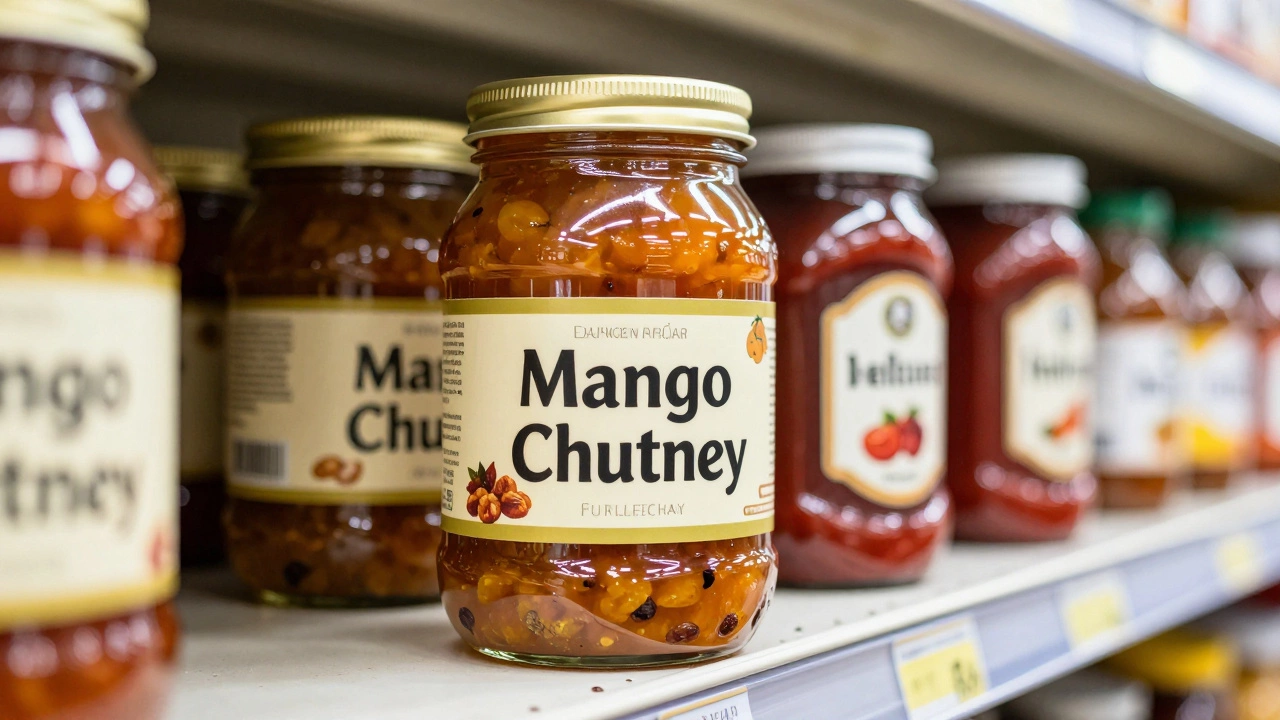
Walk into any standard American grocery store, head straight for the condiment aisle, and you’ll see a jar labeled Chutney is a tangy, sweet, or spicy sauce originating from South Asia. But here’s the twist: if you ask an average person in Ohio or Texas what “chutney” is, they might picture a thick, fruity spread made with mangoes and raisins. Meanwhile, if you’re standing in a Mumbai kitchen, that same word covers everything from a fiery green paste of cilantro and chilies to a fermented tamarind dip.
The short answer to your question is simple: In America, it’s still called **chutney**. There isn’t a different name for it. However, the *definition* of what that word means has shifted dramatically across the ocean. This linguistic gap creates confusion for travelers, home cooks, and anyone trying to recreate authentic Indian flavors using ingredients found at a local Walmart or Trader Joe’s.
The Great American Misunderstanding of Chutney
In the United States, the term “chutney” has been heavily influenced by British colonial history. When British officers brought Indian cuisine back to London, they favored the sweeter, fruit-based versions-particularly those made with mangoes. These recipes traveled with immigrants to North America and became the dominant commercial product on shelves.
If you buy a jar of chutney in the US without reading the label, you are likely getting a cooked, sugary preserve. It often contains vinegar, sugar, ginger, and sometimes even whiskey or brandy. It tastes closer to apple butter or cranberry sauce than to the fresh, raw pastes served alongside samosas or dosas in India.
This narrow definition causes problems when you try to cook. Imagine trying to make a traditional chaat (Indian street food snack) using only sweet mango chutney. The result will be cloyingly sweet and lack the necessary heat and freshness. To get it right, you need to understand that “chutney” in America usually refers to just one specific type of Indian condiment, while in India, it is an entire category of sauces.
Fresh vs. Cooked: Two Different Worlds
To navigate this confusion, you have to split chutneys into two distinct camps based on preparation methods. Understanding this difference helps you find the right ingredient whether you are in New York, Sydney, or Delhi.
| Feature | American "Chutney" | Traditional Indian Chutney |
|---|---|---|
| Primary Base | Cooked fruits (mango, apple) | Fresh herbs, vegetables, spices |
| Texture | Thick, jam-like, preserved | Smooth paste, liquid, or coarse grind |
| Flavor Profile | Sweet, tangy, mild spice | Spicy, herbaceous, sour, salty |
| Shelf Life | Months (refrigerated after opening) | Days (best consumed fresh) |
| Common Pairings | Cheese boards, charcuterie | Dosas, idlis, samosas, curries |
The American version is essentially a fruit pickle or relish. It is designed to complement fatty foods like cheese or cured meats. The traditional Indian version is a digestive aid and flavor enhancer for rice, breads, and lentils. Knowing which one you need depends entirely on what you are eating.
Identifying Specific Types in the US Market
Since there is no single alternative name for chutney in America, you have to look for specific descriptors on labels to find what you actually want. Here is how to translate your needs into American grocery store terms.
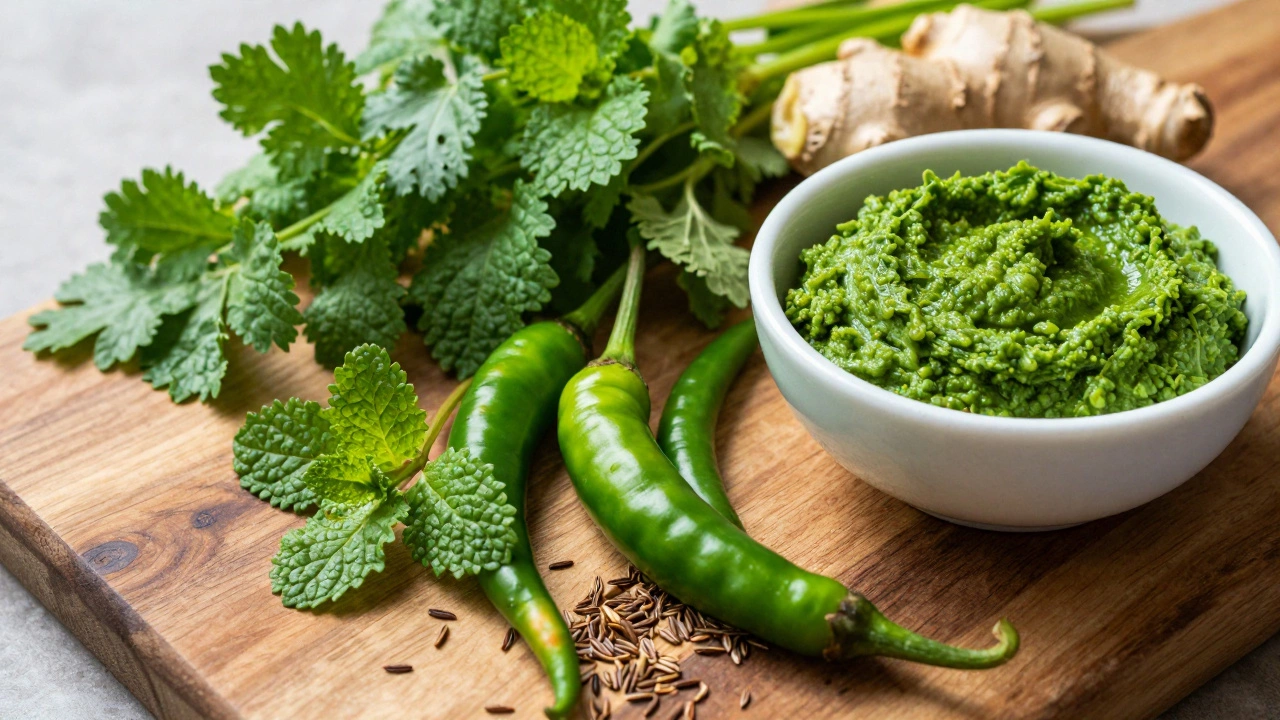
Mint Chutney: In India, this is a bright green, spicy blend of mint leaves, cilantro, green chilies, and tamarind. In the US, you won’t find this in jars easily. You will have to make it yourself. If you see a jar labeled “Mint Sauce,” do not buy it-that is a British condiment for roast beef, made with sugar and vinegar, completely different from Indian mint chutney.
Cilantro Coriander Chutney: Similar to mint, this is a staple in Indian households. It is rarely sold commercially in America because it spoils quickly. Look for frozen blends in Indian grocery stores, but expect to pay a premium. Most Americans simply don’t know it exists.
Tamarind Chutney: This is the brown, sweet-and-sour sauce often served with samosas. In the US, you can find this in jars labeled “Samosa Sauce” or “Tamarind Dip.” It is thicker and sweeter than the fresh version made in India, but it serves the same purpose.
Coconut Chutney: Made with ground coconut, tempering spices, and sometimes curry leaves. This is almost exclusively found in South Indian restaurants or specialty stores. You will not find it in mainstream supermarkets like Kroger or Safeway.
Why You Can't Find Fresh Chutney in Regular Stores
The reason you struggle to find non-mango chutneys in America comes down to logistics and consumer habits. Fresh herb-based chutneys require refrigeration and have a shelf life of less than a week. American supply chains are optimized for long-shelf-life products that can sit on shelves for months.
Additionally, the American palate has historically preferred sweetness in condiments. Ketchup, BBQ sauce, and honey mustard dominate the market. Savory, spicy, and herbal pastes do not sell well in mass-market channels. As a result, manufacturers focus on producing mango chutney because it appeals to the broader demographic looking for a sweet accompaniment to cheese or pork.
If you live near a major city with a significant South Asian population, such as Houston, New Jersey, or California, you will find Indian grocery stores selling fresh chutneys in small plastic containers. These are usually made in-house daily. They taste nothing like the jarred stuff and are worth the extra trip.
How to Make Authentic Chutney at Home
Since buying the right chutney in America can be hit-or-miss, making it yourself is the best solution. It takes five minutes and requires minimal equipment. Here is how to bridge the gap between American ingredients and Indian flavors.
Basic Green Chutney Recipe:
- 1 cup fresh cilantro (packed)
- 1/2 cup fresh mint leaves
- 1-2 green chilies (adjust for heat)
- 1 inch ginger root
- 1 tsp roasted cumin seeds
- 1/2 tsp salt
- 1 tbsp lemon juice or tamarind pulp
- 2-3 tbsp water
Blend all ingredients until smooth. Add water gradually to reach your desired consistency. Serve immediately. This recipe mimics the authentic taste found in Indian homes, which is far superior to any jarred alternative available in US supermarkets.
Quick Mango Chutney (Homemade Version):
If you prefer the sweeter style common in America but want better control over sugar content, you can make a quick version. Dice ripe mangoes, add grated ginger, chopped onions, and red chili flakes. Mix with lime juice and a pinch of salt. Let it sit for 30 minutes. This “raw” mango chutney offers a fresher, more vibrant flavor profile compared to the slow-cooked, syrup-heavy commercial varieties.

Navigating Restaurant Menus
When dining out in America, restaurant menus can also be misleading. Many fusion restaurants use “chutney” as a catch-all term for any Indian-inspired sauce. You might encounter “chipotle chutney” or “blueberry chutney,” which are creative inventions rather than traditional preparations.
If you are looking for authentic flavors, stick to established Indian restaurants. Ask your server if the chutney is “fresh” or “jarred.” Fresh chutneys will be labeled by their primary ingredient: mint, coriander, coconut, or peanut. Jarred chutneys are typically mango-based and served as a side dish rather than a dipping sauce for appetizers.
Some high-end Indian restaurants in cities like Chicago or Seattle now offer house-made chutneys. These are often listed under “Appetizer Sauces” or “Condiments.” Don’t hesitate to ask for a sample before ordering. The difference between a fresh, spicy mint chutney and a sweet, vinegary mango chutney can make or break your meal experience.
The Cultural Shift in American Palates
Interestingly, the definition of chutney in America is slowly evolving. As more people explore global cuisines, demand for authentic, spicy, and herbal condiments is growing. Brands like Primal Kitchen and smaller artisanal producers are experimenting with low-sugar, preservative-free chutneys that resemble traditional Indian styles.
Social media platforms like TikTok and Instagram have played a huge role in educating American consumers about the diversity of Indian food. Videos showing how to make instant chutneys at home have gone viral, encouraging viewers to move beyond the jarred options. This shift suggests that in the next decade, we might see wider availability of fresh-style chutneys in mainstream US grocery stores.
For now, though, the name remains the same, but the expectation varies. Always check the ingredient list. If sugar or vinegar is the first or second ingredient, you are looking at the Americanized version. If fresh herbs, chilies, and spices lead the list, you have found something closer to the authentic experience.
Is chutney the same as salsa?
No, chutney is not the same as salsa. While both are condiments used to add flavor to dishes, salsa is primarily made from tomatoes, onions, and peppers, originating from Mexican cuisine. Chutney originates from South Asia and can be made from fruits, vegetables, herbs, or spices. Salsa is typically savory and chunky, while chutney can be sweet, spicy, or tangy and ranges from smooth pastes to thick preserves.
Where can I buy fresh mint chutney in the USA?
Fresh mint chutney is rarely available in mainstream American supermarkets due to its short shelf life. Your best bet is to visit local Indian grocery stores, especially in areas with large South Asian populations. Alternatively, many Indian restaurants sell small containers of fresh chutney at the counter. Making it at home is the most reliable option.
Why is American chutney so sweet?
American chutney is sweet because it was adapted from British colonial preferences, which favored fruit-based, sugary preserves. Commercial manufacturers in the US target a broad audience that prefers sweet condiments like ketchup or jam. This contrasts with traditional Indian chutneys, which balance sweet, sour, salty, and spicy flavors to complement meals.
Can I substitute mango chutney for other types?
Not really. Mango chutney is very sweet and thick, making it suitable for cheese boards or meat glazes. It does not work well as a replacement for fresh herb chutneys in Indian cooking, where heat and freshness are key. Using mango chutney in place of mint or cilantro chutney will alter the dish's flavor profile significantly, making it overly sweet.
What is the difference between chutney and relish?
Relish is typically a pickled mixture of chopped vegetables or fruits, often with a vinegar base, used as a topping for hot dogs or burgers. Chutney can be similar but is more diverse, ranging from fresh herb pastes to cooked fruit preserves. Relish is generally savory and crunchy, while chutney can be sweet, spicy, and smooth or chunky depending on the variety.