Dosa Rice Type & Ratio Calculator
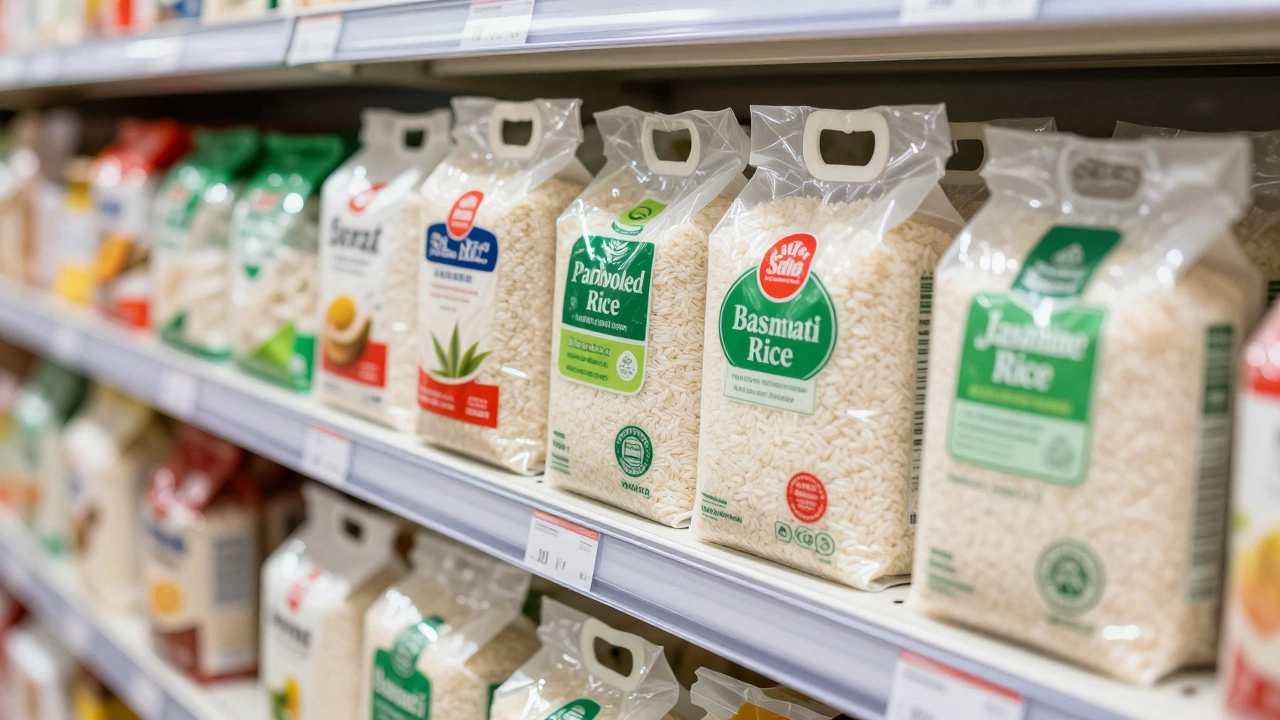
You stand in the supermarket aisle, staring at a mountain of rice bags. You need to make that crispy, golden dosa for dinner, but the recipe calls for "dosa rice." You look around. There it is not. Instead, you see Basmati, Jasmine, Arborio, and Sella. Panic sets in. Is there a secret ingredient hidden away? Do you need to order it online from India?
Here is the simple truth: **Dosa rice** does not have a unique, fancy English name because it isn't a specific botanical variety like Basmati or Jasmine. It is simply short-grain, non-basmati white rice. In many Western supermarkets, you will find it labeled as "Idli Rice," "Parboiled Rice," or sometimes just "Indian Cooking Rice." If you cannot find those labels, any standard short-grain white rice (like the kind used for sushi or risotto) works perfectly.
The Real Name: Short-Grain White Rice
To understand what to buy, we first need to strip away the marketing terms. The rice used for authentic South Indian dosas and idlis is technically known as Short-Grain White Rice with a high starch content and low aroma profile. Unlike long-grain varieties such as Basmati, which are prized for their fluffy, separate grains and floral scent, short-grain rice is designed to be sticky and cohesive when cooked.
Why does this matter for dosa? Because dosa batter needs to hold together. When you grind the rice and urad dal (black gram), you want a smooth, pourable paste, not a crumbly mess. Short-grain rice releases more surface starch during grinding, creating that essential viscosity. If you use long-grain Basmati, your dosa might fall apart on the griddle, and your idli might taste dry and cakey.
In Australia and many other parts of the world, this rice is often sold under generic names. Look for bags that say:
- "Cooking Rice"
- "Sella Rice" (if parboiled)
- "Idli/Dosa Rice" (in ethnic grocery sections)
- "Medium Grain White Rice"
Parboiled vs. Raw Rice: The Texture Debate
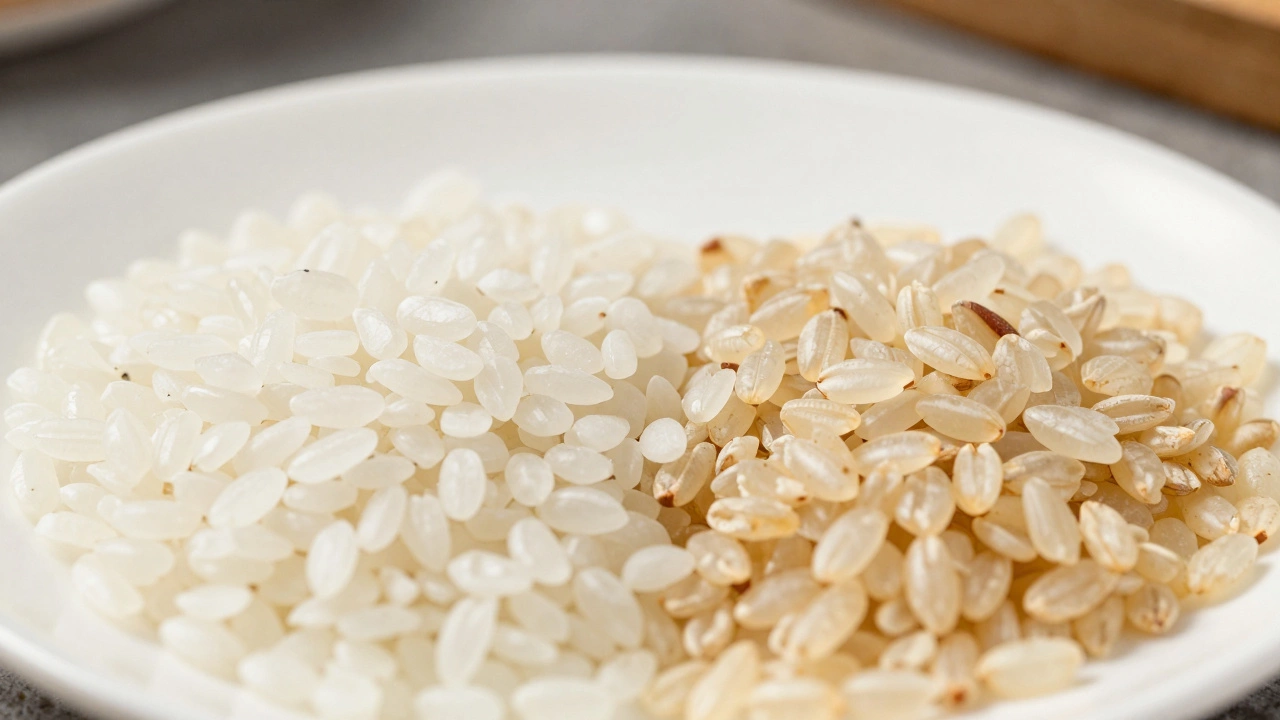
Once you know you need short-grain rice, the next question is: should it be raw or parboiled? This is where regional preferences come into play. In many households across Andhra Pradesh and Telangana, the preferred choice is Parboiled Rice with rice that has been boiled in the husk before milling. In English-speaking markets, this is frequently labeled as "Sella Rice" or "Converted Rice."
Parboiling changes the chemical structure of the rice. The nutrients from the bran layer move into the endosperm, and the starch gelatinizes partially. For dosa makers, this means two things: the rice ferments faster, and the resulting dosa is slightly thicker and softer. Many people prefer this texture because it holds up better against heavy fillings like potato masala.
On the other hand, traditional Tamil Nadu recipes often call for raw, unpolished short-grain rice. This results in a thinner, crispier dosa with a more pronounced sour tang after fermentation. If you live in Sydney or anywhere else with access to good Asian groceries, try buying both. Mix 70% parboiled short-grain rice with 30% raw short-grain rice. This hybrid approach gives you the best of both worlds: the structural integrity of parboiled rice and the crispiness of raw rice.
| Rice Type | English Label | Texture Result | Fermentation Speed |
|---|---|---|---|
| Short-Grain White | Sushi Rice / Medium Grain | Crispy & Thin | Moderate |
| Parboiled Short-Grain | Sella / Converted / Idli Rice | Soft & Thick | Fast |
| Long-Grain (Basmati) | Basmati / Jasmine | Dry & Crumbly | Slow/Poor |
Where to Find It in Non-Indian Stores
If you do not have an Indian grocery store nearby, do not despair. You can still make excellent dosa using ingredients from a standard Australian supermarket like Woolworths or Coles. The key is to avoid anything labeled "Basmati" or "Jasmine."
Head to the rice aisle and look for Sushi Rice with high-quality short-grain Japanese or Chinese rice. Yes, sushi rice! It is essentially the same category as the rice used for idli and dosa. It is short-grain, polished, and starchy. While it may cost slightly more than bulk cooking rice, the difference in price is negligible when you only need one cup for a small batch of batter.
Another option is "Arborio" or "Risotto" rice. These are medium-to-short grain Italian rices known for their high amylopectin content (the sticky starch). They work surprisingly well in dosa batter, producing a creamy consistency that ferments beautifully. Just ensure you rinse them thoroughly before soaking to remove excess surface starch that might make the batter too gloopy.
The Golden Ratio: Rice to Dal
Knowing the name of the rice is only half the battle. The magic of dosa lies in the ratio. The most common ratio for beginners is 3:1 (three cups of rice to one cup of Urad Dal with split black gram lentils without skin.). However, if you are using parboiled rice, you might want to adjust this to 4:1 because parboiled rice is denser and absorbs less water during grinding.
Remember to soak the rice and dal separately for at least 4 hours. Longer soaking (up to 6 hours) helps break down the anti-nutrients and makes grinding easier. When grinding, add ice-cold water. Heat is the enemy of fermentation; keeping the batter cool during grinding ensures that the natural yeasts thrive later.
Troubleshooting Your Batter
Even with the right rice, things can go wrong. Here are some common issues and how to fix them:
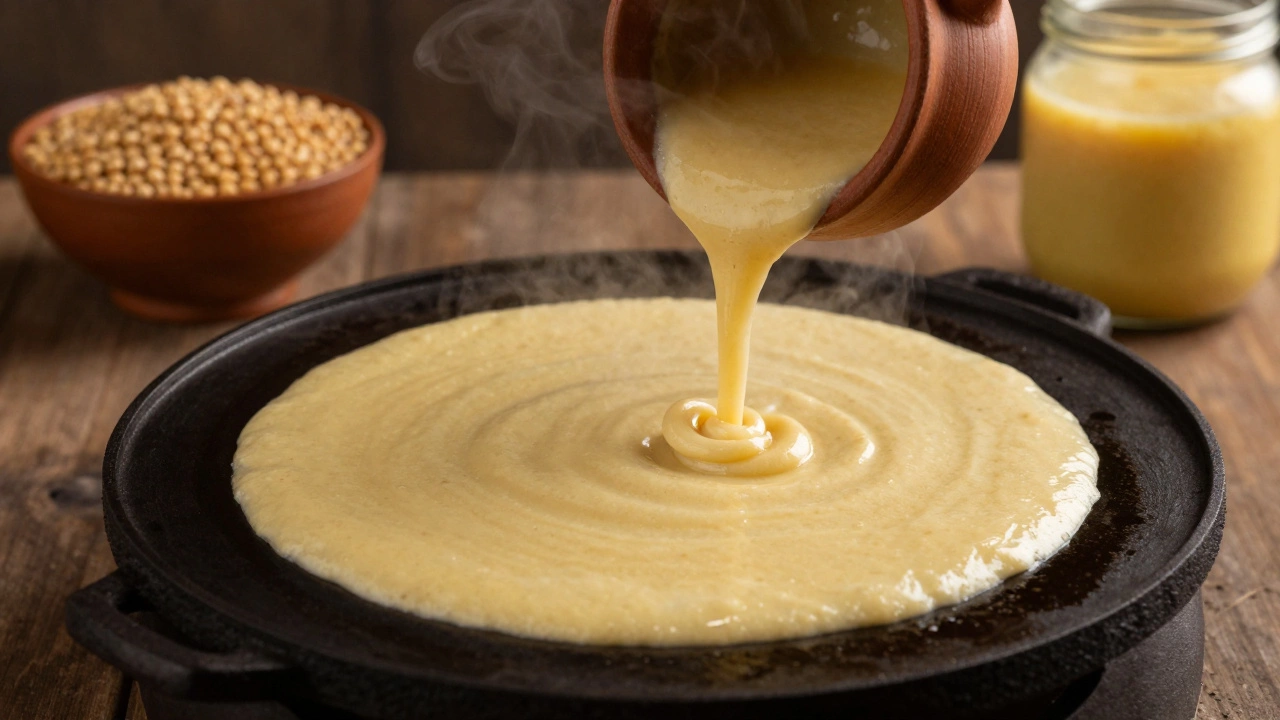
- Batter is too thick: Add a little more water while grinding. The consistency should be similar to pancake batter-smooth and pourable, not lumpy.
- No rise/fermentation: Did you use cold water? Was the kitchen warm enough? Fermentation requires temperatures between 25°C and 30°C. If you live in a cooler climate, place the jar in a turned-off oven with just the light on.
- Dosa breaks easily: You might have used too much dal or long-grain rice. Stick to short-grain and ensure the dal is properly washed until the water runs clear to remove excess starch that can weigh down the batter.
Storage and Shelf Life
Once your batter is fermented, it stays fresh in the refrigerator for about 3 to 4 days. After that, it becomes overly sour. If you made a large batch, freeze portions in airtight containers. Frozen batter lasts up to a month. Thaw it overnight in the fridge before making dosas. Note that frozen batter may lose some of its fluffiness, so give it a good stir before pouring.
Can I use Basmati rice for dosa?
Technically yes, but it is not recommended. Basmati is a long-grain rice with low starch content. It produces a dry, crumbly batter that does not spread well on the pan. The result is a hard, papery dosa rather than a crispy, pliable one. Save your Basmati for biryani or pulao.
Is Idli rice the same as Dosa rice?
Yes, they are exactly the same. In South India, the same batter base is used for both idlis and dosas. The difference lies in the proportion of rice to dal and the addition of poha (flattened rice) or fenugreek seeds in some idli recipes. You can use any bag labeled "Idli Rice" for making dosa.
What is Sella rice?
Sella rice is another name for parboiled rice. The term comes from the Spanish word "sellado," meaning sealed. During the parboiling process, the nutrients are sealed into the grain. For dosa, Sella rice provides a softer texture and aids in faster fermentation due to its pre-gelatinized starch.
Do I need to wash the rice before soaking?
Yes, always wash your rice and dal thoroughly. Washing removes excess surface starch and dust. For dosa batter, you want the starch that comes from grinding the grain itself, not the loose powder on the outside. Wash until the water runs mostly clear.
Can I make dosa with brown rice?
You can, but it requires extra effort. Brown rice has the bran intact, which makes it harder to grind and slower to ferment. You will need to soak it for 8-12 hours and possibly use a high-powered blender. The resulting dosa will be darker, nuttier, and healthier, but less crispy than white rice dosa.