Major Grey's Chutney Explorer
Discover what makes this iconic sweet-and-sour preserve unique. Click on any ingredient or topic below to learn more about its role in the flavor profile.
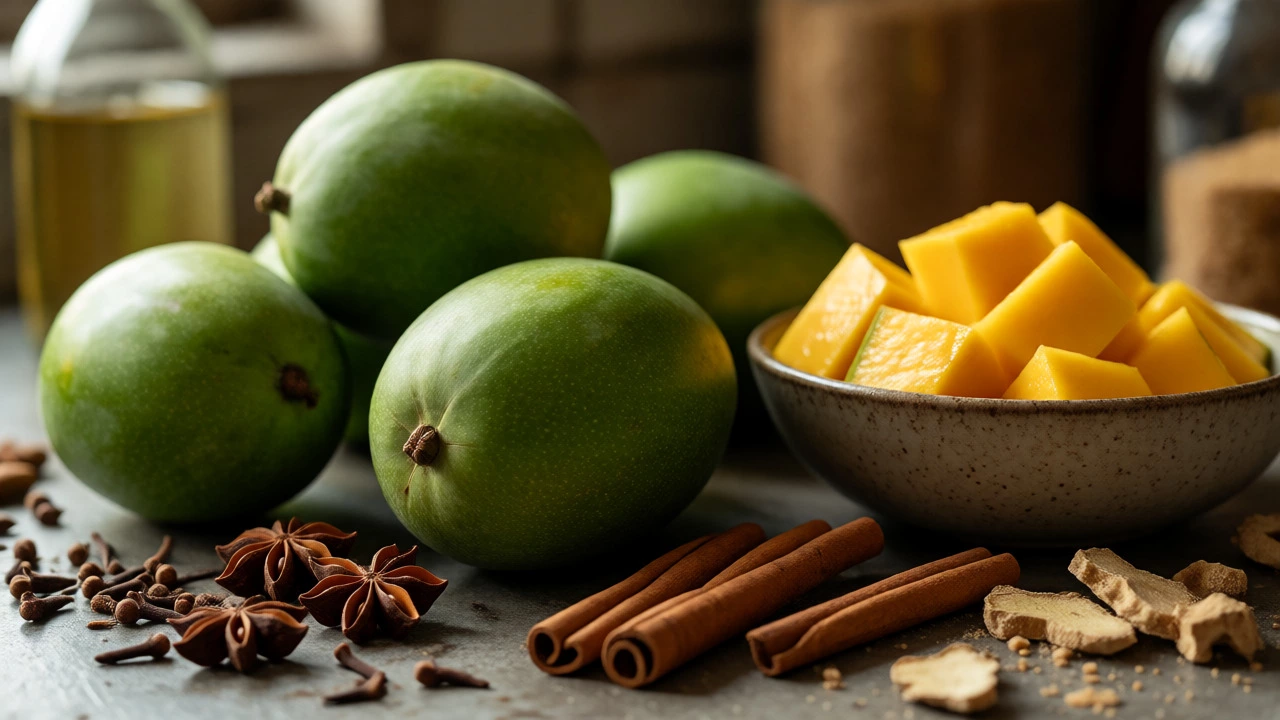
Mangoes: Specifically, firm, unripe (green) mangoes are preferred for their tartness and pectin content, though ripe mangoes are often mixed in for sweetness.
Vinegar: Usually distilled white vinegar or malt vinegar. This provides the acidity needed for preservation and cuts through the sugar.
Sugar: A significant amount of refined cane sugar or brown sugar balances the acid and helps set the texture.
Water: Used to dissolve the sugar and cook the fruit evenly.
Why green mangoes? They contain high levels of pectin and citric acid, preventing a jam-like consistency and balancing the sweetness.
You’ve probably seen that jar with the green label sitting on a supermarket shelf or tucked away in your pantry. It’s Major Grey's Chutney, a sweet and sour fruit preserve made primarily from mangoes, vinegar, sugar, and spices. But if you crack open the lid and look closely, you might wonder: what exactly is in there? Is it just chopped-up mangoes, or is there more to this iconic British-Indian staple?
The short answer is yes, it’s mostly mango. But the long answer reveals a fascinating mix of preserved fruits, sharp acids, and warm spices that create its signature tangy-sweet profile. This isn’t just any chutney; it’s a specific style of "mango pickle" adapted for Western palates during the colonial era. If you’re trying to recreate it at home, understand why it pairs so well with samosas, or figure out if it’s actually healthy, you need to know what goes into making it.
The Core Ingredients That Define Major Grey's
At its heart, Major Grey's is a fruit preserve. Unlike fresh chutneys like mint-coriander or tamarind, which are blended raw or lightly cooked, Major Grey's is cooked down until the fruit breaks down and the sugars caramelize slightly. The base ingredient list is surprisingly simple, yet the balance is precise.
- Mangoes: Specifically, firm, unripe (green) mangoes are preferred for their tartness and pectin content, though ripe mangoes are often mixed in for sweetness.
- Vinegar: Usually distilled white vinegar or malt vinegar. This provides the acidity needed for preservation and cuts through the sugar.
- Sugar: A significant amount of refined cane sugar or brown sugar balances the acid and helps set the texture.
- Water: Used to dissolve the sugar and cook the fruit evenly.
Why does the type of mango matter? Green mangoes contain high levels of pectin and citric acid. If you used only ripe, soft mangoes, you’d end up with a jam-like consistency rather than the chunky, relish-style texture associated with Major Grey's. The tartness of the green fruit also prevents the final product from becoming cloyingly sweet, even with all that added sugar.
The Spice Blend: What Gives It the 'Grey' Flavor?
If you removed the spices, you’d just have sweetened pickled mango. The spice mix is what transforms it into Major Grey's. While recipes vary by manufacturer, the classic profile relies on warm, aromatic spices rather than hot chili peppers. You won’t find much heat here; it’s about aroma and depth.
| Spice | Role in Flavor Profile | Typical Form |
|---|---|---|
| Cinnamon | Adds warmth and woody notes | Sticks or ground powder |
| Ginger | Provides zing and freshness | Fresh grated or dried powder |
| Cloves | Delivers intense, sweet-spicy aroma | Whole cloves or ground |
| Allspice | Bridges cinnamon and clove flavors | Ground powder |
| Nutmeg | Adds subtle earthy sweetness | Grated fresh or ground |
| Chili Flakes | Minimal heat, mostly color and background warmth | Dried flakes or powder |
Notice the absence of heavy garam masala components like cardamom or fennel in many commercial versions. The flavor profile leans heavily toward "baking spices"-cinnamon, ginger, cloves-which makes it taste familiar to Western consumers who associate these scents with desserts or mulled wine. This was a deliberate choice by early manufacturers to make an exotic Indian condiment approachable in Britain.
Hidden Additives: Why Commercial Jars Taste Different
If you try to make this at home and it tastes different from the jarred version, check the ingredient label on your store-bought bottle. Mass-produced Major Grey's, particularly the famous brand owned by Crosse & Blackwell (now part of various food conglomerates), includes ingredients that home cooks often skip.
First, look for preservatives. Sodium benzoate or potassium sorbate is common to extend shelf life after opening. Second, some brands add raisins or sultanas. These aren't always listed as separate "fruit" entries but are folded into the "dried fruit" category. They add bursts of sweetness and chewiness that contrast with the soft mango chunks.
Third, thickening agents. Cornstarch or modified starches are sometimes used to ensure the chutney doesn't separate over time. Homemade versions rely on natural pectin from the mangoes and the reduction process, which can lead to a thinner consistency if not cooked long enough. Finally, artificial colors like caramel coloring might be added to deepen the hue, giving it that rich, amber appearance that looks appetizing on the shelf.
A Brief History: Who Was Major Grey?
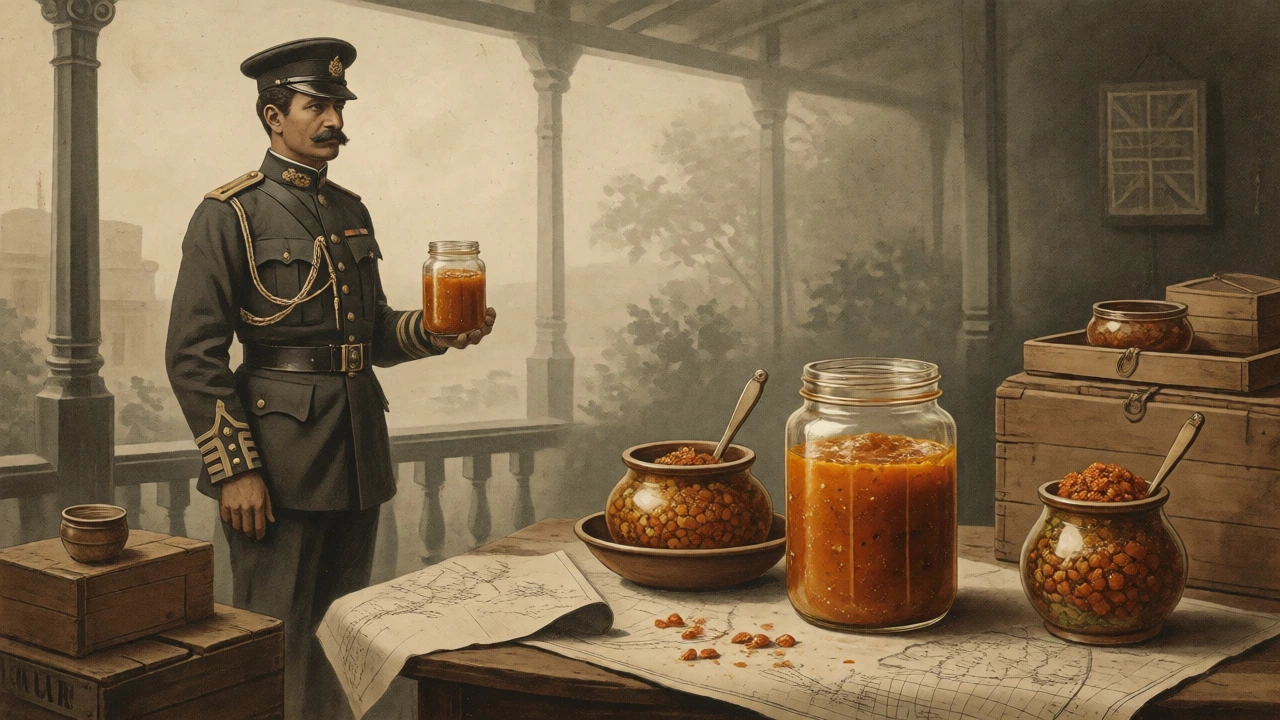
The name sounds military, right? Like a British officer stationed in India. But here’s the twist: there likely wasn’t a real Major Grey who invented this. The story goes that a Major Grey, possibly a retired officer living in Calcutta, had a recipe he shared with friends. Another version suggests it was named after a character in a novel or simply created as a marketing gimmick by the company Crosse & Blackwell in the late 19th century.
Regardless of the truth, the brand became synonymous with Anglo-Indian cuisine. During the British Raj, there was a massive demand for foods that bridged the gap between British tastes and Indian ingredients. Pickles and chutneys were perfect because they could survive the long sea voyage back to England without spoiling. Vinegar acted as the preservative, allowing the spicy, fruity flavors to travel thousands of miles intact. By the time it hit London shelves, it had already evolved from traditional Indian achar (pickle) into something distinctly hybrid.
How to Use Major Grey's Beyond Samosas
Most people slap this onto fried snacks. And sure, the fat of a samosa needs the acid of the chutney to cut through it. But limiting yourself to fried dough is missing out. The sweet-sour-spicy profile works wonders on grilled meats and cheeses too.
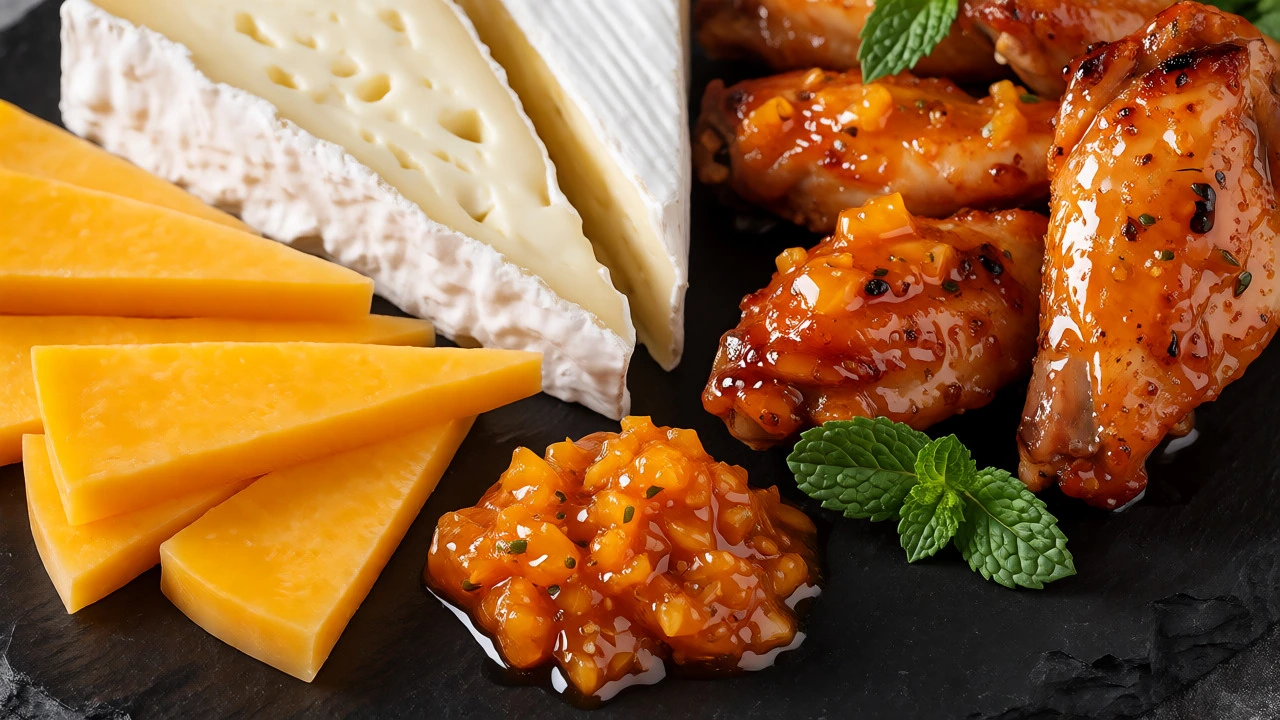
Try brushing it onto chicken wings during the last few minutes of grilling. The sugars caramelize, creating a sticky glaze that complements the char. Or use it as a glaze for pork chops. The acidity tenderizes the meat while adding complexity. For cheese boards, pair it with strong blue cheeses or sharp cheddar. The funk of the blue cheese matches the intensity of the ginger and cloves, while the mango sweetness balances the salt.
Here’s a quick cheat sheet for pairings:
- Fried Foods: Samosas, pakoras, spring rolls, fish fingers.
- Meats: Grilled chicken, pork loin, ham glazes.
- Cheeses: Brie, Camembert, Blue Cheese, Sharp Cheddar.
- Rice Dishes: Stir into plain basmati rice for a quick side dish.
Is Major Grey's Healthy?
Let’s be real: it’s candy disguised as a condiment. A typical serving (about two tablespoons) contains around 15-20 grams of sugar. That’s half the daily recommended limit for children in one small dollop. The sodium content is usually low, but the calorie density is high due to the sugar.
However, it’s not empty calories. Mangoes provide Vitamin A and Vitamin C, though cooking degrades some of these nutrients. Ginger offers anti-inflammatory properties, and vinegar has been linked to improved blood sugar response when consumed with meals. So, while you shouldn’t eat it by the spoonful, using it sparingly adds flavor without needing to add extra salt or fat to your meal. Compared to ketchup, which is also high in sugar but lacks the fiber and micronutrients of fruit, Major Grey's is arguably a slightly better choice-if you ignore the sheer volume of sugar.
Is Major Grey's chutney vegan?
Generally, yes. Most standard Major Grey's chutneys are plant-based, containing only fruit, sugar, vinegar, and spices. However, always check the label for potential additives like gelatin (rare in this context) or honey, though refined cane sugar is the norm. Some premium artisanal versions might use butter or ghee, but mass-market jars are typically vegan-friendly.
Can I substitute Major Grey's for mango pickle?
Not directly. Traditional Indian mango pickle (aam ka achar) is oily, salty, and intensely spiced with fenugreek and mustard seeds. Major Grey's is sweet, vinegary, and mild. If you swap them, your dish will taste completely different. Use Major Grey's for sweet-sour applications and traditional achar for savory, pungent curries.
How long does opened Major Grey's chutney last?
Due to the high sugar and vinegar content, it lasts a long time. Unopened, it can sit in the pantry for years. Once opened, keep it refrigerated. It should stay good for 6 to 12 months. If you see mold or notice a fermented smell, discard it. Always use a clean spoon to avoid introducing bacteria.
Why is my homemade chutney runny?
It likely needs more cooking time. Pectin sets as water evaporates. Simmer it longer on low heat until it coats the back of a spoon. Alternatively, you may have used mangoes that were too ripe (low pectin). Next time, mix in some green, unripe mangoes to boost the natural setting agent.
Does Major Grey's contain gluten?
Standard ingredients (mango, sugar, vinegar, spices) are naturally gluten-free. However, cross-contamination in factories processing wheat products is possible. If you have celiac disease, look for a certified gluten-free label on the jar to be safe.