Find Your Perfect Vegetable Match
Select your primary health goal to discover which vegetable offers the best support.
Broccoli
95% MatchHigh in fiber and Vitamin C.
Steam it to preserve nutrients.
Select a goal to reveal your power vegetable.
There is no single "#1" healthiest vegetable on Earth. If there were, we would all be eating nothing but that one crop by now. The idea of a magic bullet vegetable is a myth sold by clickbait headlines and oversimplified diet trends. However, if we look at nutrient density-the amount of vitamins, minerals, and antioxidants per calorie-a few contenders rise to the top. For most people, especially those looking to incorporate these into their daily routine or healthy Indian snacks, dark leafy greens like spinach are often cited as the gold standard.
But why spinach? And what about other powerhouses like broccoli, kale, or even humble carrots? To answer this, we need to look beyond marketing buzzwords and examine the actual nutritional data. This guide breaks down the top contenders, explains how to measure true health benefits, and shows you how to fit these nutrients into your diet without boredom.
The Case for Spinach: The King of Leafy Greens
Spinach is a leafy green vegetable packed with iron, calcium, and vitamins A, C, and K. When nutritionists talk about the healthiest vegetables, spinach is almost always in the conversation. Why? Because it offers an incredible range of nutrients for very few calories. One cup of raw spinach has only about 7 calories but provides more than 100% of your daily recommended intake of Vitamin K.
Vitamin K is crucial for blood clotting and bone health. But spinach doesn't stop there. It is also rich in Lutein is an antioxidant that supports eye health and may reduce the risk of macular degeneration. This makes it particularly valuable for aging populations or anyone who spends hours staring at screens. Additionally, spinach contains folate, which is essential for cell division and DNA synthesis.
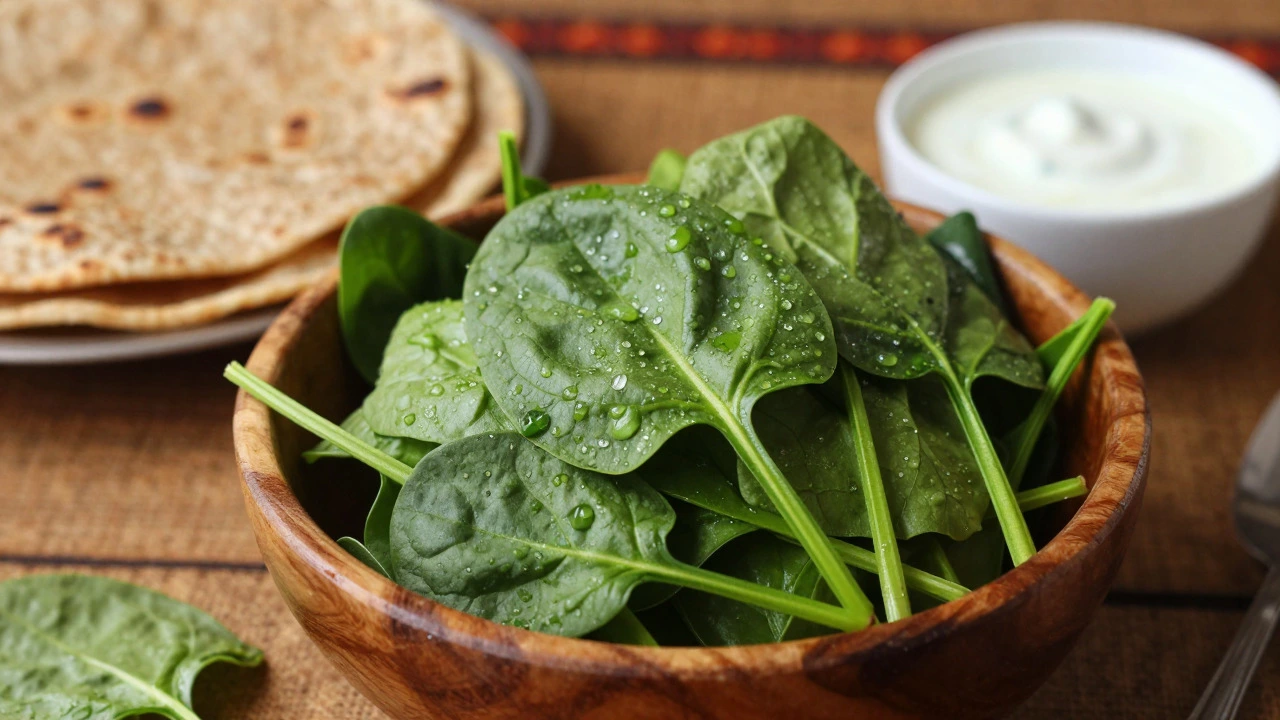
For those interested in healthy Indian snacks, spinach is incredibly versatile. You can blend it into smoothies, add it to parathas (whole wheat flatbreads), or use it in palak paneer. The key is to cook it lightly. Cooking spinach reduces its volume significantly, allowing you to eat larger quantities, and increases the bioavailability of certain nutrients like iron and beta-carotene.
Broccoli: The Cruciferous Challenger
If spinach is the king, Broccoli is a cruciferous vegetable known for its high fiber content and cancer-fighting compounds. Broccoli belongs to the Brassica family, which includes cauliflower, cabbage, and Brussels sprouts. These vegetables contain sulforaphane, a compound that has been studied extensively for its potential to prevent cancer and reduce inflammation.
Broccoli is also a complete protein source among vegetables, containing all nine essential amino acids. While you wouldn't rely on it as your sole protein source, it contributes meaningfully to your daily intake. One cup of chopped broccoli provides about 5 grams of fiber, which aids digestion and helps maintain stable blood sugar levels.
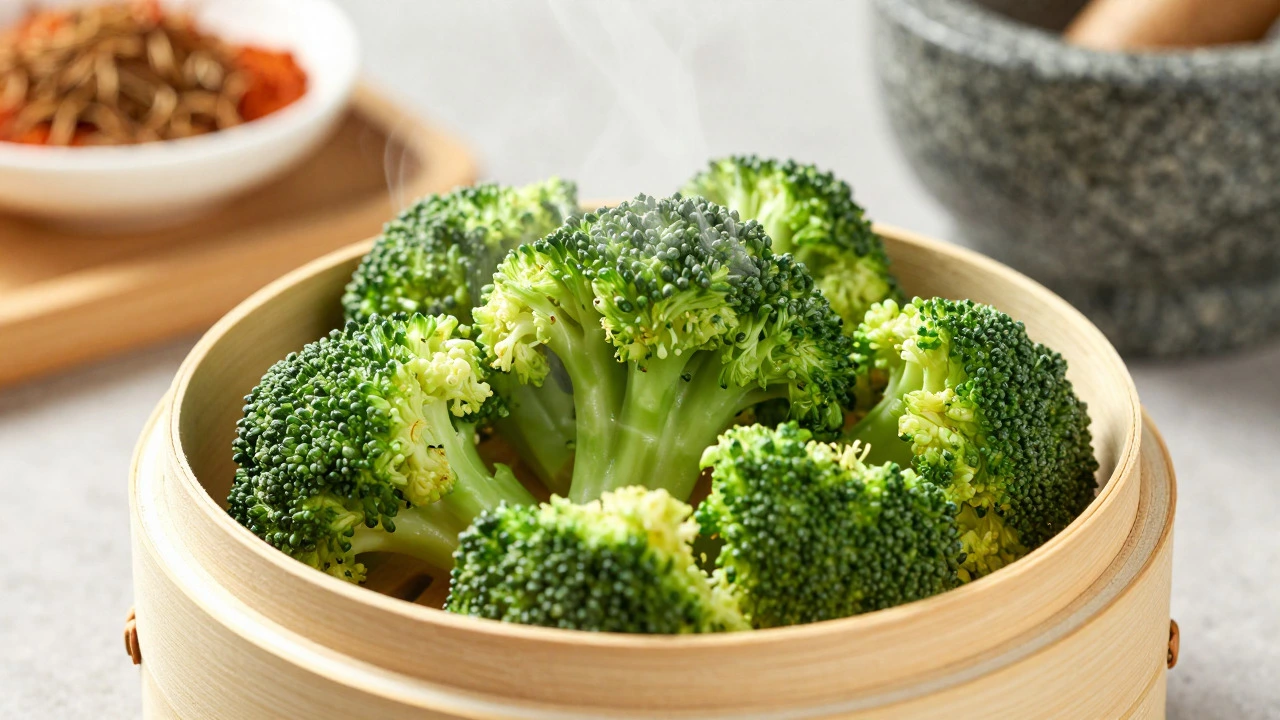
Unlike spinach, broccoli holds up well to various cooking methods. Steaming is generally preferred over boiling because it preserves more of the vitamin C and sulforaphane. Boiling can leach these water-soluble nutrients into the cooking water, which is often discarded. For a quick snack, try roasting broccoli florets with a little olive oil and cumin powder until crispy. It’s a savory, satisfying treat that feels indulgent but is actually quite nutritious.
Kale: The Tough Nut to Crack
Kale is a hardy leafy green vegetable that is exceptionally high in antioxidants and vitamins A and K. Kale gained massive popularity during the health food boom of the early 2010s. While some of the hype was exaggerated, kale remains a nutritional powerhouse. It has higher levels of Vitamin C than oranges and more calcium than milk, ounce for ounce.
The challenge with kale is its texture. Raw kale can be tough and chewy, making it less appealing for salads unless massaged with oil or acid to break down the fibers. This is where preparation matters. Massaging kale with lemon juice and olive oil not only improves the taste but also enhances the absorption of fat-soluble vitamins like Vitamin A and K.
In the context of Indian cuisine, kale isn't traditional, but it can be adapted. Try sautéing chopped kale with mustard seeds, curry leaves, and turmeric. The strong flavors of Indian spices complement the earthy taste of kale, making it a palatable addition to your meals. You can also dehydrate kale into chips for a crunchy, low-calorie snack alternative to potato chips.
Carrots: The Sweet Antioxidant Source
We often think of carrots as just a sweet side dish, but they are far more than that. Carrots are root vegetables rich in beta-carotene, which the body converts into Vitamin A. Beta-carotene is a powerful antioxidant that gives carrots their orange color. It plays a vital role in maintaining healthy vision, skin, and immune function.
Interestingly, the body absorbs beta-carotene much better when carrots are cooked and eaten with a source of fat. Raw carrots are great for crunch, but steamed or roasted carrots with a drizzle of ghee or oil will deliver more nutritional benefit. Carrots are also low on the glycemic index, meaning they don't cause rapid spikes in blood sugar, making them suitable for people managing diabetes.
For healthy Indian snacks, carrots are a staple. Think of carrot halwa (gajar ka halwa) for festivals, but also consider simpler options like carrot sticks with hummus or blended into chutneys. Their natural sweetness makes them easy to enjoy, even for picky eaters.
Comparing the Top Contenders
| Vegetable | Calories | Fiber (g) | Vitamin A (% DV) | Vitamin C (% DV) | Key Benefit |
|---|---|---|---|---|---|
| Spinach | 23 | 2.2 | 93% | 13% | Bone & Eye Health |
| Broccoli | 34 | 2.6 | 12% | 89% | Cancer Prevention |
| Kale | 35 | 3.6 | 168% | 134% | High Antioxidants |
| Carrots | 41 | 2.8 | 167% | 4% | Vision Support |
As the table shows, each vegetable has its strengths. Spinach leads in Vitamin K and iron, broccoli excels in Vitamin C and fiber, kale is dense in antioxidants, and carrots are unmatched in Vitamin A. There is no clear winner; instead, there is a team effort. Eating a variety ensures you get a broad spectrum of nutrients.
How to Choose the Best Vegetables for You
Selecting the healthiest vegetable depends on your individual needs. If you are anemic, prioritize iron-rich foods like spinach and pair them with Vitamin C to enhance absorption. If you are concerned about heart health, focus on fiber-rich options like broccoli and Brussels sprouts. For eye health, load up on carrots and kale.
Another factor is bioavailability. Some nutrients are harder for the body to absorb from plant sources. For example, the iron in spinach is non-heme iron, which is less easily absorbed than heme iron from meat. Consuming it with a source of Vitamin C, such as lemon juice or bell peppers, can significantly improve absorption rates.
Also, consider sustainability and accessibility. The healthiest vegetable is the one you can buy consistently and affordably. In many regions, seasonal produce is cheaper and fresher. Buying local spinach in spring or carrots in autumn means you get peak nutrition and support local farmers.
Incorporating Superfoods into Healthy Indian Snacks
You don't need to overhaul your entire diet to reap the benefits of these vegetables. Small changes in your snacking habits can make a big difference. Here are some practical ideas:
- Spinach Paratha: Mix finely chopped spinach with whole wheat dough. Add a pinch of asafoetida (hing) and black salt for flavor. Serve with yogurt or pickle.
- Roasted Broccoli Bites: Toss broccoli florets with chaat masala and olive oil. Roast at 200°C (400°F) until crispy. Sprinkle with lemon juice before serving.
- Kale Chips: Tear kale leaves into bite-sized pieces. Drizzle with minimal oil and salt. Bake at a low temperature until crisp. These are a great alternative to namkeen (Indian savory snacks).
- Carrot and Beet Smoothie: Blend raw carrots, beets, apple, and ginger with water or almond milk. This is a refreshing drink that boosts immunity and energy.
These snacks are not only healthy but also culturally relevant and delicious. They prove that eating well doesn't mean sacrificing taste or tradition.
Pitfalls to Avoid
One common mistake is relying too heavily on processed vegetable products. Frozen vegetables can be nutritious if they are plain, but avoid those with added sauces or salts. Similarly, dried fruit mixes often contain added sugars, which negate the health benefits of the vegetables.
Another pitfall is improper storage. Vegetables lose nutrients quickly after harvest. Store leafy greens in the refrigerator with a paper towel to absorb excess moisture. Keep root vegetables like carrots in a cool, dark place. The fresher the vegetable, the higher the nutrient content.
Finally, don't neglect portion sizes. Even healthy vegetables can contribute to digestive discomfort if eaten in excessive amounts, especially if you are not used to high-fiber diets. Gradually increase your intake to allow your gut bacteria to adapt.
Conclusion: Diversity is Key
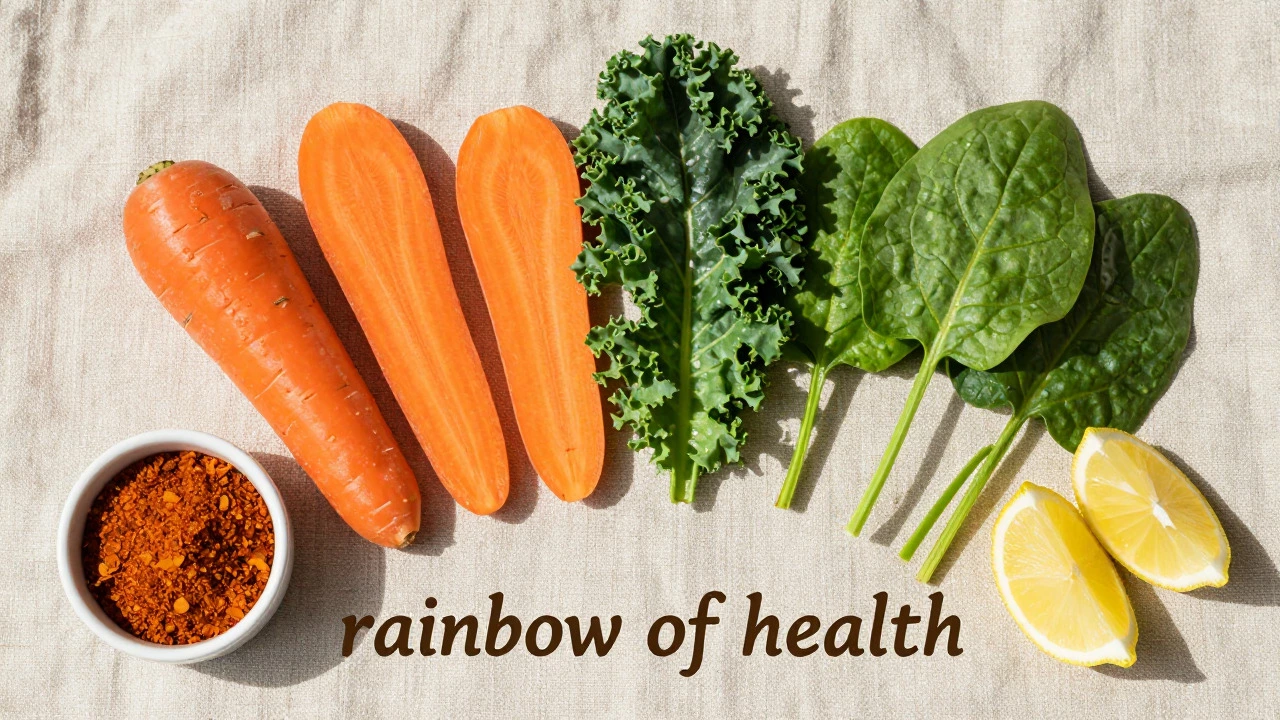
So, what is the #1 healthiest vegetable? The answer is none of them alone. The true champion is a diverse plate filled with a rainbow of colors. Each color represents different phytonutrients that work synergistically to protect your body. Spinach, broccoli, kale, and carrots are all excellent choices, but they shine brightest when combined.
Focus on incorporating a variety of vegetables into your daily meals and snacks. Experiment with different cooking methods to find what you enjoy most. Remember, consistency beats perfection. Eating a moderate amount of diverse vegetables every day is far more beneficial than binge-eating one "superfood" occasionally.
Is spinach really the healthiest vegetable?
Spinach is one of the most nutrient-dense vegetables due to its high levels of vitamins A, C, K, and iron. However, calling it the absolute "healthiest" is misleading because other vegetables like broccoli and kale offer unique benefits such as higher fiber or specific antioxidants. A varied diet is best.
Can I eat raw spinach every day?
Yes, raw spinach is safe for most people. However, cooking spinach can increase the bioavailability of certain nutrients like iron and beta-carotene. If you have kidney issues, consult a doctor as spinach contains oxalates, which can contribute to kidney stones in susceptible individuals.
What is the best way to cook broccoli to retain nutrients?
Steaming is the best method for cooking broccoli. It preserves water-soluble vitamins like Vitamin C and prevents the loss of sulforaphane. Avoid boiling, as this can leach nutrients into the water. Roasting is also a good option if you prefer a caramelized flavor.
Are frozen vegetables as healthy as fresh ones?
Frozen vegetables are often just as nutritious, if not more so, than fresh ones. They are typically harvested at peak ripeness and flash-frozen, which locks in nutrients. Fresh vegetables may sit in transit and storage for days, leading to nutrient degradation. Choose plain frozen veggies without added sauces.
How can I make vegetables taste better for my kids?
Kids often prefer sweeter or crunchier textures. Try roasting carrots or broccoli with a little honey and olive oil. Blend spinach into smoothies with fruits like bananas and strawberries to mask the taste. Offering vegetables as dips with hummus or yogurt sauce can also make them more appealing.
Does the color of a vegetable indicate its health benefits?
Yes, color is a good indicator of phytonutrients. Orange and yellow vegetables like carrots are rich in beta-carotene. Green vegetables like spinach and kale are high in chlorophyll and Vitamin K. Red vegetables like tomatoes contain lycopene. Eating a rainbow ensures you get a wide range of protective compounds.