Find Your Perfect Indian Dish Match
Not sure what to order? Answer these three quick questions to find out which iconic Indian dish suits your current craving best.
Your Recommendation
You walk into an Indian restaurant in Sydney, London, or New York, and you know exactly what two dishes will dominate the menu board: Biryani and Butter Chicken. Ask ten people which one is the "real" number one, and you’ll get ten different answers. Some swear by the aromatic, layered rice of a Hyderabadi Biryani. Others argue that nothing beats the creamy, tomato-based comfort of Murgh Makhani (Butter Chicken). So, who wins? Is there actually a single #1 Indian dish, or are we just confusing popularity with cultural significance?
The truth is messy, delicious, and entirely subjective. But if we look at global consumption data, export trends, and local pride, a clear pattern emerges. This isn’t just about taste; it’s about history, regional identity, and how these dishes traveled across borders. Let’s break down why this debate exists and help you decide which dish deserves your next order.
The Global Popularity Contest: Data Doesn’t Lie
If we judge by sheer volume, Chicken Tikka Masala often claims the throne in Western countries like the UK and Australia. It’s frequently cited as Britain’s national dish. However, this is a bit of a trick question. Chicken Tikka Masala is widely considered a British-Indian invention, not a traditional recipe from the subcontinent. If we stick to authentic Indian origins, Biryani usually takes the lead in international recognition.
A 2023 survey by YouGov found that Biryani was the most popular Indian dish among respondents in the UK, Canada, and Australia. In India itself, the answer shifts dramatically depending on where you stand. In Hyderabad, asking for Butter Chicken might get you a polite but confused stare. In Delhi, Biryani is respected, but Chole Bhature holds a special place in the heart of the locals.
| Dish | Origin Region | Global Reach | Primary Appeal |
|---|---|---|---|
| Biryani | Hyderabad / Lucknow / Malabar | Very High | Aromatic complexity, festive status |
| Butter Chicken | Delhi (Moti Mahal) | High (Western Markets) | Creamy texture, mild spice, approachability |
| Dosa | South India | Moderate to High | Vegan-friendly, gluten-free, breakfast staple |
| Pav Bhaji | Mumbai | Niche (Street Food) | Comfort food, quick preparation |
Biryani: The Complex King of Flavors
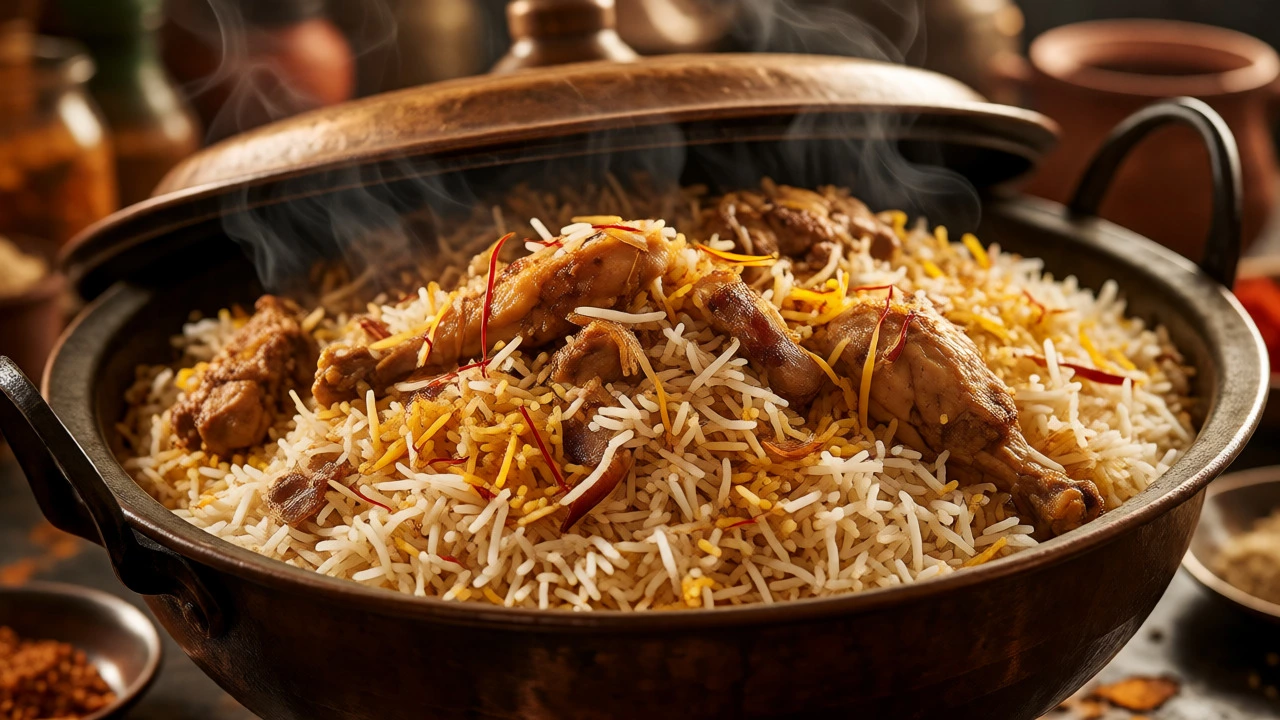
Why does Biryani command such loyalty? It’s not just rice and meat. It’s a technical feat. A proper Biryani is a mixed rice dish made with Indian spices, rice, and meat or vegetables, typically cooked in layers using the dum method. The "dum" technique-sealing the pot and slow-cooking over low heat-is crucial. It allows the steam to circulate, infusing every grain of basmati rice with the saffron, cardamom, and fried onions layered above and below.
There isn’t one Biryani. There are dozens. Hyderabadi Kacchi Biryani uses raw marinated meat layered with parboiled rice. Lucknowi Awadhi Biryani focuses more on subtle aromatics than heavy spice. Kolkata Biryani includes potatoes, a unique twist stemming from historical scarcity during the British Raj. When you eat Biryani, you’re eating a timeline of Indian culinary history. It’s celebratory. You don’t make Biryani for Tuesday night dinner unless you really love cooking. It’s for Eid, weddings, and big family gatherings.
For many Indians, calling something else the "#1" dish feels wrong because Biryani represents hospitality. Serving guests Biryani is a sign of respect. That emotional weight gives it an edge over other contenders.
Butter Chicken: The Ambassador of Comfort
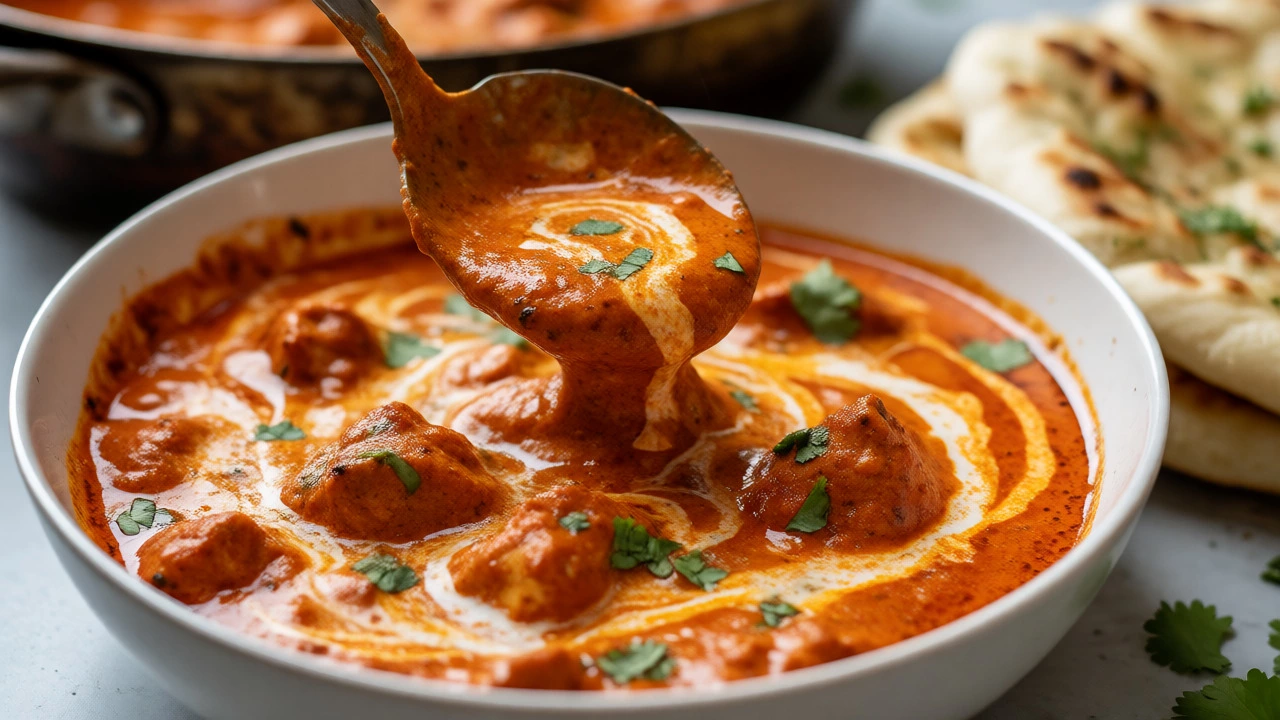
If Biryani is the king, Butter Chicken is the diplomat. Created in the 1950s at Moti Mahal in Delhi, this dish was born out of necessity. Chefs took leftover tandoori chicken and simmered it in a gravy of tomatoes, butter, and cream to prevent it from drying out. The result was accidental genius.
Butter Chicken won the world because it’s forgiving. It’s rich without being overly spicy. The sweetness of the tomato balances the fat of the cream, creating a flavor profile that appeals to almost everyone, including children and those new to Indian food. In Sydney, where I live, Butter Chicken is often the gateway drug for people trying Indian cuisine for the first time. Once they’re hooked on that orange-red gravy, they start exploring Tandoori Chicken and Dal Makhani.
However, purists argue that Butter Chicken has been diluted globally. Many restaurants use too much sugar or artificial coloring. Authentic versions rely on fenugreek leaves (kasuri methi) for that distinct earthy aroma. Without it, you’re just eating creamy tomato soup with chicken chunks.
The South Indian Challenger: Dosa
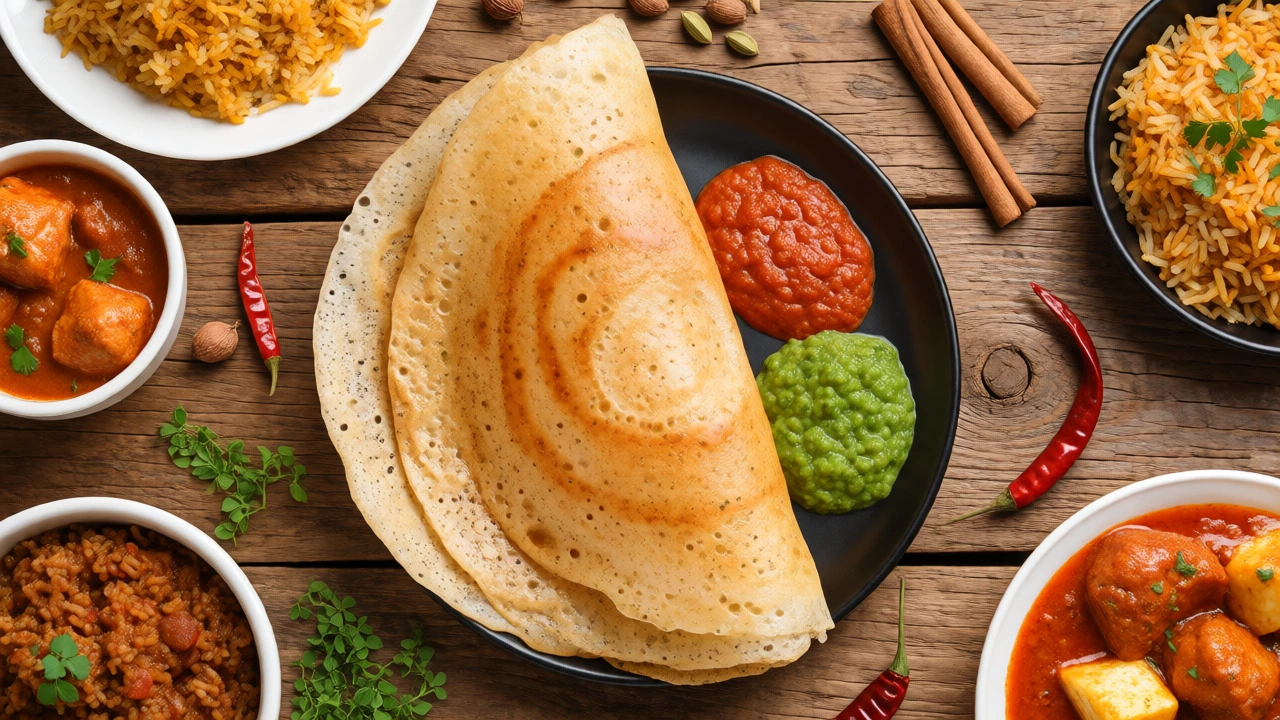
We can’t talk about top Indian dishes without mentioning Dosa. While Biryani and Butter Chicken are heavy, meat-centric mains, Dosa is light, crispy, and often vegan. Made from fermented batter of rice and urad dal, Dosa offers a probiotic boost due to the fermentation process.
In South India, Dosa is arguably the #1 dish simply because it’s eaten daily. Breakfast, lunch, and sometimes dinner. The variety is staggering: Plain Dosa, Masala Dosa (stuffed with spiced potatoes), Rava Dosa (made from semolina), and Ghee Roast. For health-conscious eaters, Dosa beats both Biryani and Butter Chicken hands down. It’s lower in calories, high in protein, and naturally gluten-free. If your definition of "best" includes nutritional value and versatility, Dosa might actually take the crown.
Regional Pride vs. National Identity
India is not a monolith. Asking for the "#1 Indian dish" is like asking for the "#1 American dish." Is it a burger? Barbecue ribs? Clam chowder? The answer depends on your zip code.
- North India: Leans towards wheat-based foods like Naan, Paratha, and rich curries like Rogan Josh.
- South India: Dominated by rice-based dishes like Idli, Vada, and Sambar.
- East India: Famous for fish curries and sweets like Rasgulla.
- West India: Known for street food snacks like Pav Bhaji and Dhokla.
This fragmentation means no single dish truly unites the country culinarily. However, Biryani comes close. It has variants in every state, from the fiery Andhra style to the sweet Kerala style. It bridges the north-south divide better than any other dish because it adapts to local ingredients while maintaining its core identity.
How to Choose Your #1
So, how do you decide which dish is the best for you? It depends on what you value in your meal.
- Choose Biryani if: You want an experience. You enjoy complex aromas, textural contrast between tender meat and fluffy rice, and don’t mind spending extra time cooking or money ordering. It’s perfect for sharing.
- Choose Butter Chicken if: You want comfort. You prefer creamy sauces, milder spice levels, and a dish that pairs perfectly with garlic naan. It’s ideal for date nights or when you need a hug in a bowl.
- Choose Dosa if: You want freshness. You prefer lighter meals, vegetarian options, or gluten-free diets. It’s great for solo dining or quick lunches.
Personally, living in Sydney, I find myself ordering Biryani when I want to feel connected to the festive spirit of Indian culture. But after a long week, nothing hits the spot like a plate of Butter Chicken with hot roti. Neither is objectively "better." They serve different purposes.
Frequently Asked Questions
Is Biryani healthier than Butter Chicken?
It depends on the preparation. Traditional Biryani uses less oil than many restaurant-style Butter Chickens, which are loaded with cream and butter. However, Biryani is carb-heavy due to the rice. If you remove the skin from the chicken and limit the ghee, Biryani can be a balanced meal. Butter Chicken is higher in saturated fats but lower in carbohydrates.
Why is Chicken Tikka Masala so popular if it's not from India?
Chicken Tikka Masala was likely invented in Glasgow, Scotland, in the 1970s. It became popular because it adapted Indian flavors to British palates by adding a creamy tomato sauce to dry tandoori chicken. Its popularity reflects the success of Indian diaspora chefs in adapting their cuisine to local tastes, rather than its authenticity in India.
What is the most expensive Indian dish?
Luxury versions of Biryani can be extremely expensive due to the use of premium ingredients like saffron, gold leaf, and exotic meats like quail or lamb shanks. However, dishes involving rare spices like Kashmiri saffron or specific aged basmati rices can also drive up costs significantly compared to everyday staples like Dal or Roti.
Can I make authentic Biryani at home easily?
Authentic Biryani requires patience and specific techniques, particularly the 'dum' cooking method. While it is labor-intensive, it is not necessarily difficult. Key steps include properly marinating the meat, parboiling the rice to 70% doneness, and layering correctly. Using a heavy-bottomed pot and sealing it with dough helps replicate the traditional sealed-pot effect.
Which Indian dish is best for beginners?
Dal Tadka (tempered lentils) is often recommended for beginners. It uses simple pantry staples like lentils, turmeric, cumin, and garlic. It’s hard to mess up, highly nutritious, and serves as a base for understanding Indian tempering techniques. Alternatively, Egg Curry is another easy entry point that teaches basic gravy building.