American Chutney Equivalent Finder
Chutney is a staple in Indian kitchens, offering a burst of sweet, sour, spicy, or tangy flavor that cuts through rich curries and savory snacks. But if you walk into an average American kitchen, you won’t find a jar labeled "chutney" on the pantry shelf. So, what do Americans use instead? The short answer is: it depends on the meal. The American equivalent of chutney isn't one single product, but rather a collection of condiments like relishes, fruit preserves, pickles, and salsas that serve similar functional roles.
To understand why there isn't a direct one-to-one match, we have to look at how these cultures approach flavor balancing. In Indian cuisine, chutney often acts as a digestive aid and a flavor contrast. It’s meant to be eaten alongside the main dish, not just mixed into it. In the US, condiments are usually more specialized. You have sweet spreads for sandwiches, acidic bites for burgers, and creamy dips for chips. If you're trying to replicate the experience of eating samosas with mint chutney or enjoying chicken tikka with tamarind chutney using only American pantry staples, you need to know which substitute fits the bill.
Before we dive into specific recipes and swaps, let's acknowledge that food culture is global. While we focus on American pantries here, culinary traditions everywhere share this desire for balance. For instance, travelers exploring different parts of the world often look for local guides to navigate both food and social scenes; much like finding a reliable directory for services in new cities, such as this resource, understanding local nuances helps you adapt faster. Back to the kitchen, though-let’s break down the best American stand-ins for your favorite chutneys.
The Sweet & Tangy Swap: Fruit Preserves and Jams
If your go-to is a sweet mango chutney or a date chutney, the closest American equivalent is simply high-quality fruit jam or preserve. However, there is a catch. Traditional Indian chutneys often include spices like cinnamon, cardamom, cloves, and a kick of ginger or chili. Standard American strawberry or raspberry jam is usually just fruit, sugar, and pectin.
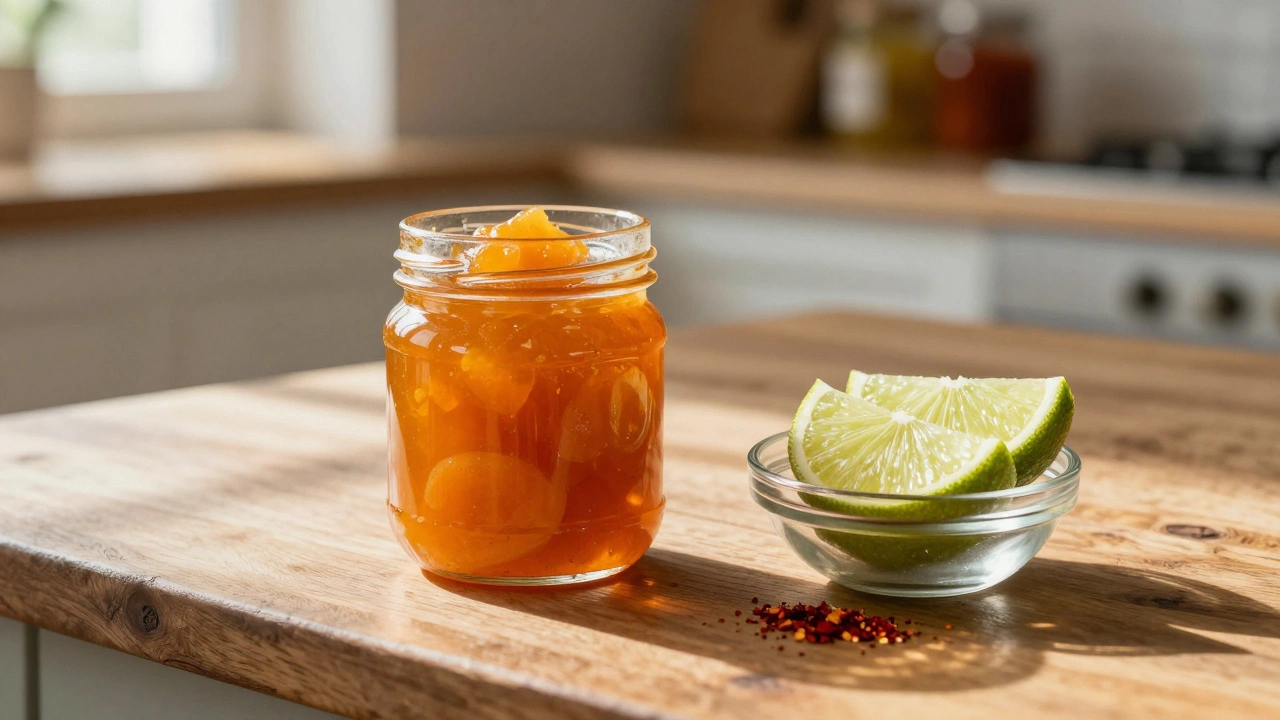
To make jam work as a chutney substitute, you need to adjust the profile. Look for preserves that are less sugary and more tart. Apricot preserves are a great starting point because they have a natural acidity that mimics the tang of cooked-down fruits in chutney. When serving them, add a pinch of black pepper or a dash of hot sauce to replicate the heat found in many Indian recipes. This works exceptionally well with cheeses, roasted meats, and even as a glaze for pork chops.
- Mango Chutney Substitute: Mango salsa or apricot preserves with a squeeze of lime.
- Date Chutney Substitute: Fig jam or balsamic glaze (for sweetness and depth).
- Tip: Avoid overly processed jelly. You want texture, so chunky preserves are better than smooth gel.
The Crunchy Contrast: Relishes and Pickles
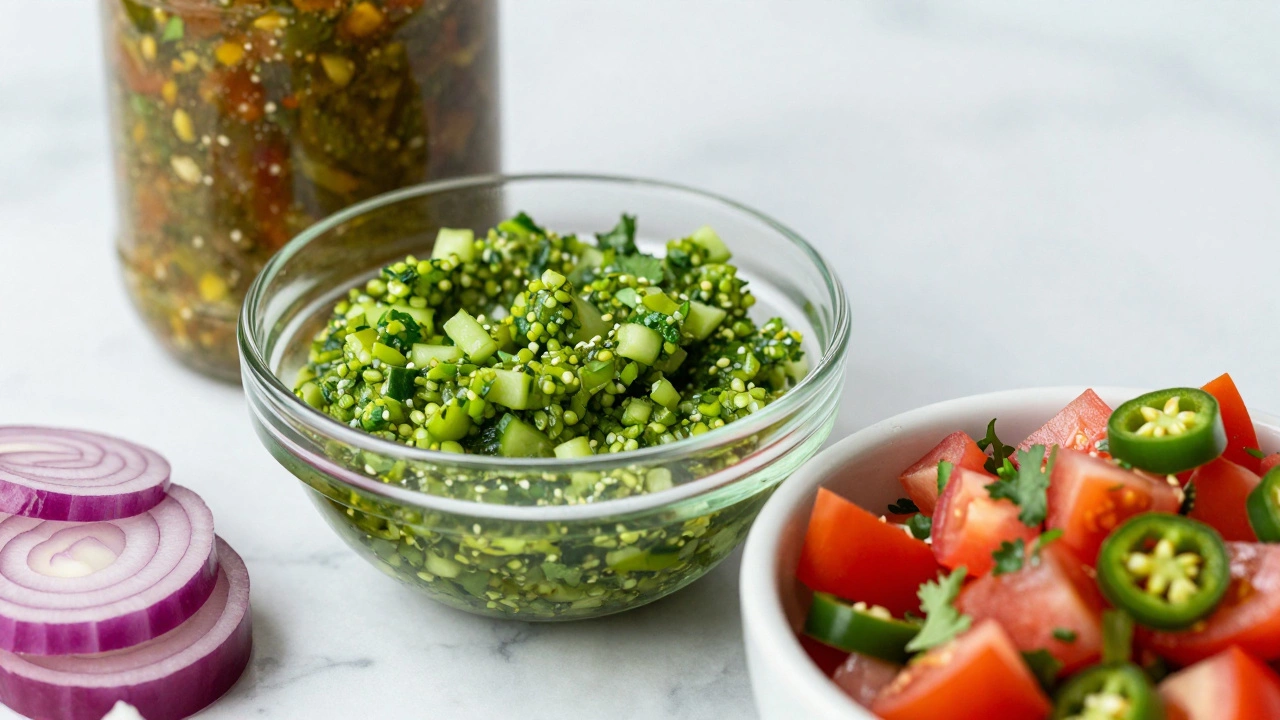
For those who love the crisp, refreshing bite of mint-cilantro chutney or the sharp tang of onion chutney, American relishes and pickles are your best friends. Relish, particularly cucumber relish or corn relish, shares the same DNA as chutney: chopped vegetables preserved in vinegar and sugar.
Cucumber relish is the most versatile swap. It has that cool, crunchy element that mint chutney provides. If you’re eating something heavy like fried fish or a rich burger, a dollop of dill pickle relish can cut through the fat just as effectively as a spoonful of green chutney. For a closer match to the herbal notes of cilantro-mint chutney, try mixing finely chopped fresh herbs into a basic vinaigrette or using a herb-infused olive oil.
Pickled onions are another underrated hero. In American BBQ culture, red onion rings are often served on the side. They offer the same pungent, acidic punch that raw onion chutney brings to a plate of dosa or idli. If you can’t find pickled onions, quick-pickling your own red onions in rice vinegar and sugar takes less than 30 minutes and yields fantastic results.
The Savory Kick: Salsa and Pico de Gallo
When it comes to spiced, tomato-based chutneys, the American equivalent is undeniably salsa. Both are uncooked or lightly cooked mixtures of tomatoes, onions, chilies, and citrus juice. The primary difference lies in the spice blend. Indian chutneys might use cumin, coriander, and mustard seeds, while Mexican-inspired salsas rely on cilantro, lime, and jalapeños or serranos.
Pico de gallo, a fresh salsa made with diced tomatoes, onions, cilantro, and lime, is the closest textural match to a coarse tomato chutney. It’s perfect for topping grilled chicken, fish, or even beans. If you want to bridge the gap further, add a teaspoon of garam masala or a dash of curry powder to your homemade pico de gallo. Suddenly, you’ve created a fusion condiment that satisfies both cravings.
Festive Favorites: Cranberry Sauce
It might seem odd, but cranberry sauce is a surprising contender for the chutney throne during certain meals. Why? Because it serves the exact same purpose as apple or plum chutney: it provides a sweet-and-sour counterpoint to salty, savory proteins.
In the US, cranberry sauce is synonymous with Thanksgiving turkey. Its bright acidity and berry sweetness cut through the richness of roast meat, just like a dark fruit chutney does with lamb or goat curry. If you’re looking for a quick way to mimic the flavor profile of a traditional Indian fruit chutney without spending hours cooking down apples and raisins, reach for a jar of whole-berry cranberry sauce. Add a pinch of nutmeg and some chopped walnuts, and you have a sophisticated condiment that bridges two culinary worlds.
How to Make Your Own "American-Style" Chutney
If store-bought substitutes don’t quite hit the spot, making your own hybrid chutney is easier than you think. The beauty of chutney is its flexibility. You can use any fruit or vegetable available in your local grocery store. Here’s a simple framework for creating a quick chutney using American ingredients:
- Choose a Base: Apples, carrots, red onions, or even bell peppers work well.
- Add Acid: Vinegar (apple cider or white wine) or lemon juice is essential for preservation and tang.
- Sweeten: Sugar, honey, or maple syrup balances the acid.
- Spice It Up: This is where you get creative. Use standard American spices like black pepper, mustard seeds, or turmeric.
- Cook Down: Simmer everything until it reaches a thick, jam-like consistency.
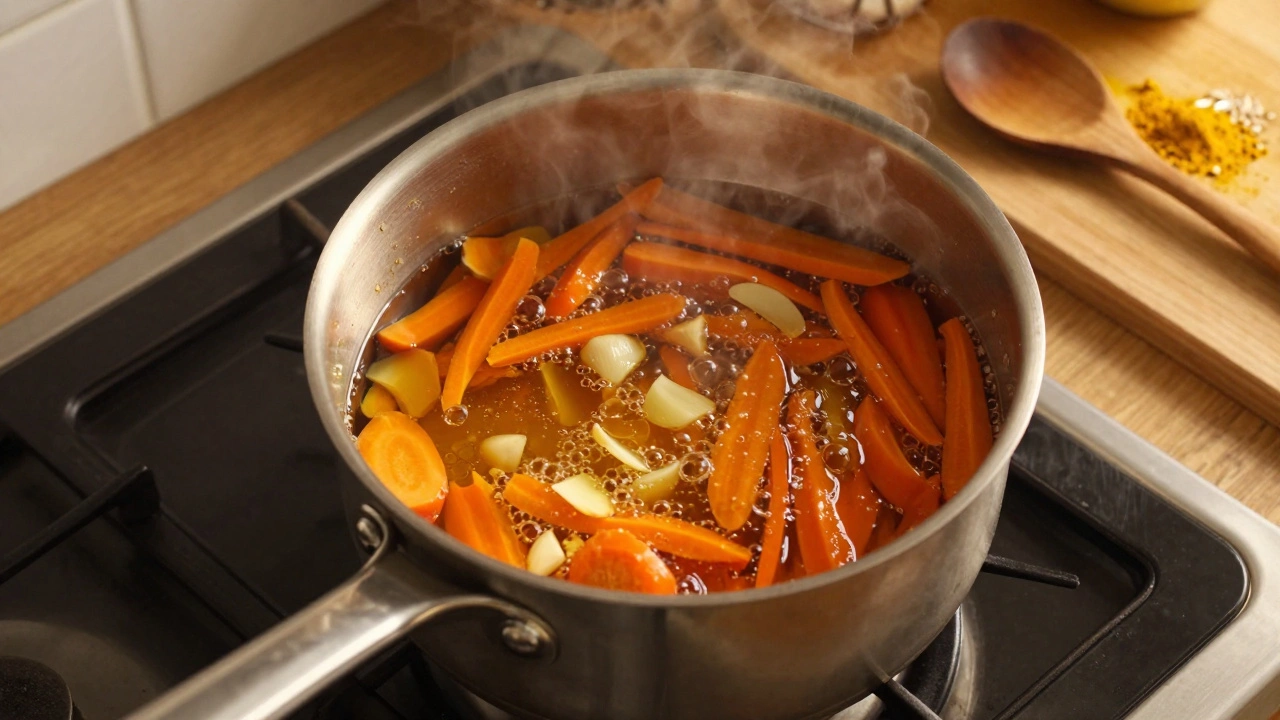
For example, a quick "Carrot Ginger Chutney" can be made by grating carrots, sautéing them with minced ginger and garlic, then simmering with apple cider vinegar and brown sugar. It tastes familiar yet exotic, and it pairs beautifully with grilled cheese sandwiches or roasted chicken.
Understanding the Flavor Profiles
To choose the right substitute, you need to identify what role the chutney plays in your dish. Is it providing heat? Sweetness? Acidity? Or freshness? Here is a quick reference guide to help you decide:
| Chutney Type | Primary Flavor Profile | Best American Substitute | Use Case |
|---|---|---|---|
| Mint-Cilantro (Green) | Fresh, Herby, Cool | Cucumber Relish / Herb Vinaigrette | With fried foods, dosas, samosas |
| Mango (Sweet/Sour) | Sweet, Tangy, Spiced | Apricot Preserves + Chili Flakes | With cheeses, curries, grilled meats |
| Tomato-Onion (Red) | Savory, Acidic, Chunky | Pico de Gallo / Fresh Salsa | As a dip or topping for tacos/burgers |
| Tamarind (Tangy/Sweet) | Sour, Deep, Fruity | Balsamic Glaze / Tamarind Candy Paste | Glazing meats, adding depth to sauces |
| Onion (Pungent) | Sharp, Salty, Crisp | Pickled Red Onions | Side for breakfast dishes, sandwiches |
Common Pitfalls to Avoid
One mistake people make when substituting chutney is ignoring the texture. Many American jams are too smooth and uniform. Chutney should have some body-chunks of fruit or vegetable that provide a pleasant chew. If you’re using a jarred jam, stir in some chopped nuts or seeds to add that missing dimension.
Another pitfall is over-sweetening. American condiments tend to be sweeter than their Indian counterparts. If you’re using ketchup or BBQ sauce as a base for a quick hack, remember to balance it with extra vinegar or lemon juice. Ketchup, for instance, is essentially a tomato-chutney hybrid, but it’s heavily sweetened. Diluting it with water and spices can turn it into a decent emergency substitute for a red chutney.
Final Thoughts on Bridging Culinary Gaps
There is no single "American chutney" because the concept of a versatile, all-purpose condiment doesn’t translate directly to Western dining habits. Instead, Americans compartmentalize flavors into separate jars: one for sweet, one for sour, one for spicy. By combining these elements-mixing a sweet preserve with a spicy relish, or adding herbs to a pickle-you can recreate the complex flavor profiles that make chutney so beloved.
Experimentation is key. Don’t be afraid to treat your pantry as a playground. Next time you crave that zesty kick of mint chutney but only have access to a standard grocery store, remember that the solution is likely already sitting on your shelf, waiting to be transformed.
Can I use ketchup as a substitute for chutney?
Yes, but with modifications. Ketchup is similar to a sweet tomato chutney. To make it closer to traditional chutney, mix it with a little vinegar, mustard seeds, and fresh ginger to reduce the sweetness and add complexity.
What is the best substitute for mint chutney?
Cucumber relish is the best textural match due to its crunch and coolness. For flavor, a mixture of fresh parsley, cilantro, lemon juice, and olive oil can mimic the herbal freshness of mint chutney.
Is there a ready-made chutney in American supermarkets?
Yes, larger supermarkets with international sections often carry brands like Kent or Mother India. Additionally, artisanal stores may sell small-batch fruit chutneys made from apples, cranberries, or mangoes.
How do I make a quick chutney from scratch?
Dice your chosen fruit or vegetable (like apples or carrots), sauté with onions and spices, then simmer with vinegar and sugar until thickened. This process takes about 20-30 minutes.
Why doesn't America have a direct equivalent to chutney?
American cuisine tends to separate flavor profiles into distinct condiments (sweet jams, acidic pickles, spicy hot sauces). Chutney combines these elements, which requires a culinary tradition that values complex, multi-layered accompaniments to every meal.