Curry Powder Matchmaker
Not sure which jar to grab? Answer these questions to find your perfect match.
Recommended Blend
Heat LevelDescription goes here.
Ever opened a jar of curry powder, dumped it into your pot, and ended up with something that tasted flat, dusty, or just... wrong? You aren't alone. The phrase "curry powder" is one of the biggest culinary misunderstandings in Western kitchens. There is no single "best" curry powder because there is no such thing as a universal curry. In India, Sri Lanka, Thailand, and Japan, cooks don't reach for a generic brown dust. They build flavor from scratch using fresh spices tailored to the dish.
However, if you are looking for convenience-and let's be honest, we all need shortcuts sometimes-understanding what makes a specific blend work is key. Whether you are making a quick weeknight chicken curry recipe or experimenting with vegetarian stews, the right powder can save hours of prep time. The secret isn't finding a magic jar; it's knowing which profile matches your ingredients.
The Myth of Universal Curry Powder
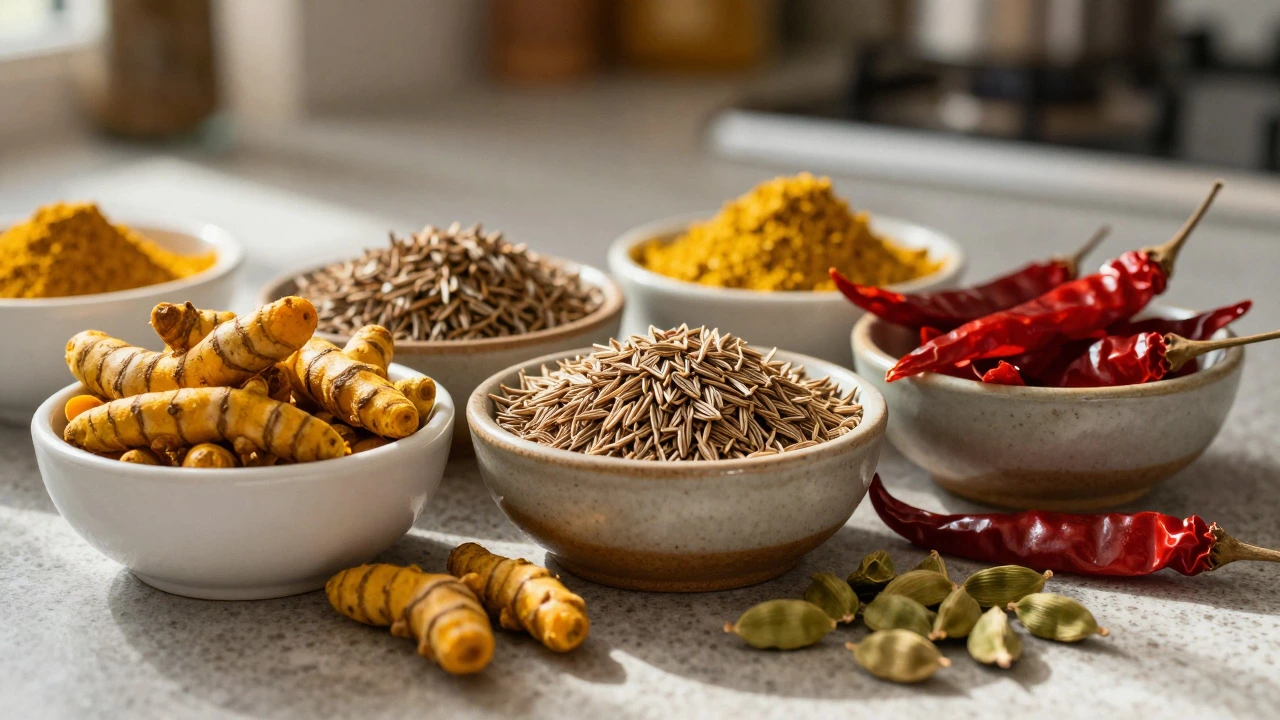
To pick the best option, you first have to unlearn the idea that curry powder is a single entity. Most commercial "curry powders" sold in supermarkets are British inventions from the 19th century, designed to mimic the complex spice blends of colonial India for European palates. These blends typically rely on turmeric for color, coriander for body, cumin for earthiness, and chili for heat.
This generic profile works okay for mild, yellow-colored curries like Korma or basic vegetable stews. But if you use this same generic powder for a fiery South Indian chicken curry, it will taste muddy. If you use it for a Thai-style coconut curry, it will taste completely out of place. The "best" curry powder depends entirely on the regional style you are trying to replicate.
Top Commercial Blends: What to Look For
If you are buying pre-made blends, look for brands that specify the region or style. Here are the most common types you will encounter and how they perform:
| Type | Key Spices | Flavor Profile | Best Used For |
|---|---|---|---|
| Madras Curry Powder | Coriander, Turmeric, Chili, Cumin, Fenugreek | Hot, earthy, slightly sweet | Chicken tikka masala, robust meat curries |
| Garam Masala | Cinnamon, Cardamom, Cloves, Black Pepper | Aromatic, warm, sweet (not hot) | Finishing touch for lentils, rice, and slow-cooked meats |
| Kashmiri Spice Blend | Kashmiri Chilies, Fennel, Aniseed | Bright red, moderate heat, floral | Butter chicken, rich tomato-based sauces |
| Thai Curry Paste (Dry) | Lemongrass, Galangal, Kaffir Lime, Shrimp | Citrusy, pungent, herbal | Coconut milk curries, stir-fries |
For a standard chicken curry, Madras Curry Powder is often the go-to choice in Western homes because it provides both color and heat. However, many high-quality Madras blends can be surprisingly harsh if used in large quantities. Brands like Shan or McCormick offer consistent results, but artisanal brands like Penzeys or Simply Organic often provide fresher, more vibrant notes because their supply chains are shorter.
Why Freshly Ground Beats Pre-Ground Every Time
Here is the hard truth: pre-ground spices lose their volatile oils within weeks of being ground. When you buy a jar of curry powder, those essential oils have likely evaporated, leaving behind mostly starch and dead plant matter. This is why store-bought powder often tastes "dusty" rather than fragrant.
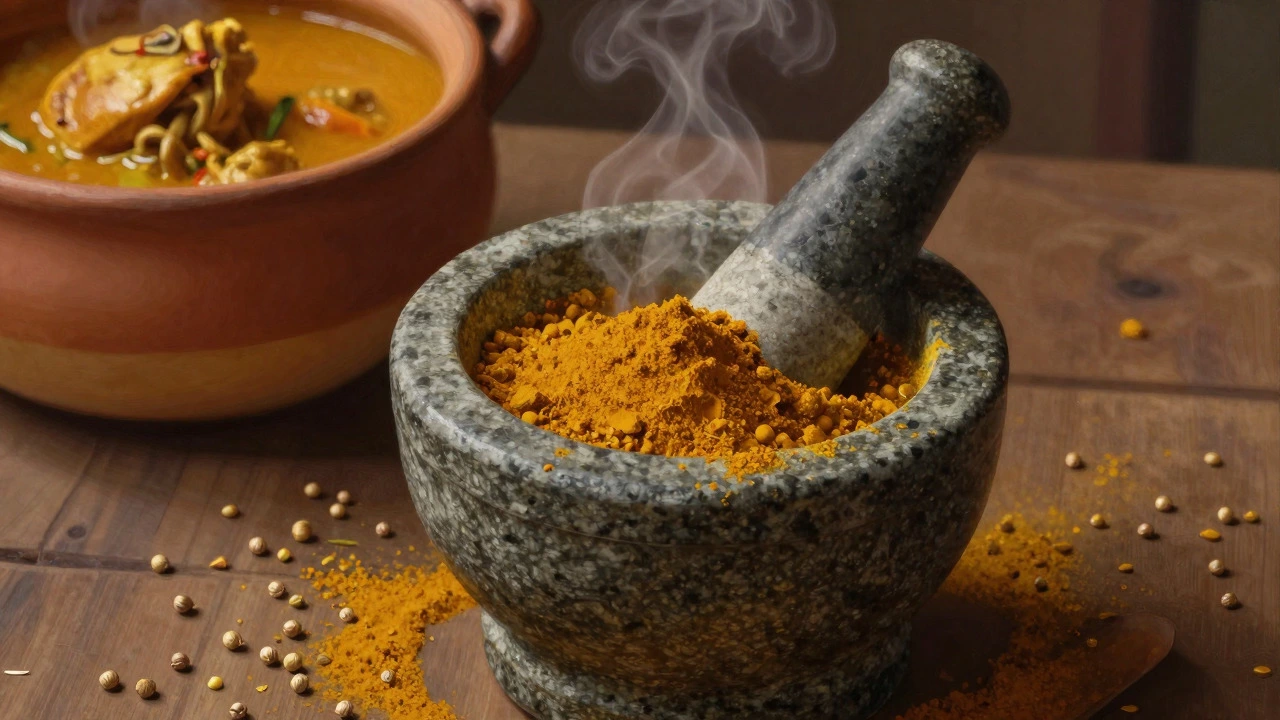
The absolute best curry powder is the one you make yourself. It doesn't take long, and the difference in aroma is night and day. You don't need an expensive spice grinder; a clean coffee bean grinder works perfectly. By controlling the ratio of turmeric to chili to coriander, you can customize the heat and color to suit your specific recipe.
How to Make Your Own Chicken-Friendly Curry Blend
If you want to elevate your chicken curry game, try this simple five-spice blend. It mimics the depth of a restaurant-style curry without the preservatives or age-related flavor loss.
- Coriander Seeds (3 tbsp): This is the base note. Toast them lightly in a dry pan until fragrant, then grind. Coriander adds a citrusy, nutty backbone that balances the heat.
- Cumin Seeds (1 tbsp): Adds earthiness. Be careful not to burn these, as they turn bitter quickly.
- Turmeric Powder (1 tsp): Use powder here instead of seeds for easier grinding. It provides the iconic golden color and anti-inflammatory benefits.
- Dried Red Chilies or Cayenne (1-2 tsp): Adjust based on your heat tolerance. Kashmiri chilies give better color with less heat than cayenne.
- Fenugreek Seeds (1/2 tsp): This is the secret weapon. A tiny amount adds a maple-like sweetness and complexity that defines many North Indian curries. Too much will make the dish bitter.
Toast the whole spices (coriander, cumin, fenugreek) in a dry skillet over medium heat for 60 seconds. Let them cool completely, then grind them with the turmeric and chili powder. Store this mix in an airtight jar away from light. It will stay potent for about three months.
The Role of Garam Masala vs. Curry Powder
A common mistake is confusing Garam Masala with curry powder. While curry powder is usually added early in the cooking process to cook out the raw spice flavors, Garam Masala is a finishing spice. It contains delicate aromatics like cardamom, cloves, and cinnamon that lose their potency if boiled for too long.
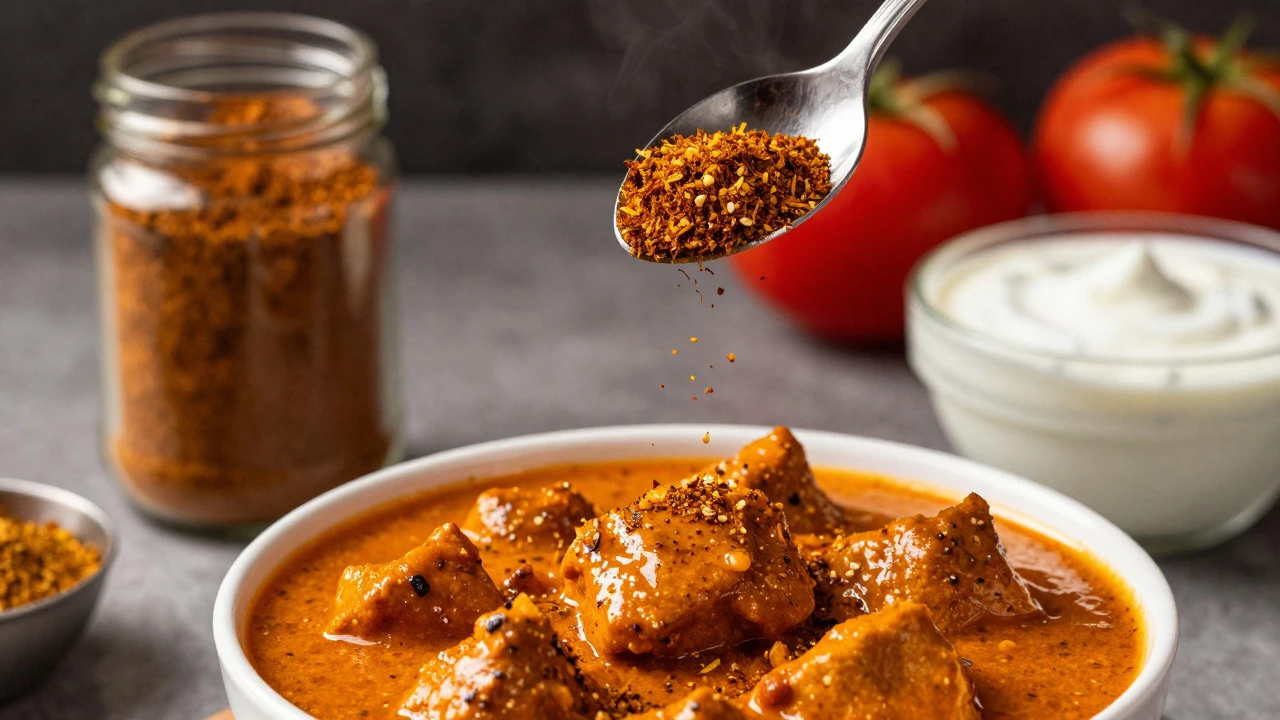
In a chicken curry recipe, you might start with a Madras-style curry powder to build the sauce's foundation. Then, in the last two minutes of cooking, you sprinkle a teaspoon of Garam Masala on top. This layering technique creates a dish that has both deep, cooked-down savory notes and bright, aromatic top notes. Using only one or the other results in a one-dimensional flavor profile.
Storage Tips to Keep Spices Alive
Even the best curry powder will fail if stored incorrectly. Heat, light, and moisture are the enemies of spice integrity. Avoid keeping your spice jars next to the stove where steam and heat fluctuate daily. Instead, store them in a cool, dark cupboard or even the refrigerator if you live in a very humid climate.
To test if your curry powder is still good, do the sniff test. If it smells faint or musty, it's time to replace it. Fresh curry powder should hit your nose with an immediate, sharp aroma. If you can't smell it strongly, your tongue won't taste it either.
Pairing Curry Powder with Other Ingredients
The "best" curry powder also depends on what else is in your pot. Acidic ingredients like tomatoes, yogurt, or tamarind paste react differently with various spice blends. For example, a high-turmeric blend can become metallic when mixed with highly acidic tomato sauces unless balanced with sugar or cream. Conversely, a high-cumin blend pairs beautifully with dairy-based sauces like paneer butter masala or creamy chicken korma.
When making a chicken curry, consider marinating the chicken in yogurt and a small amount of your curry powder before cooking. This allows the acids in the yogurt to break down the proteins while infusing the meat with spice from the inside out, resulting in tender, flavorful chunks rather than just seasoned exterior bits.
Is Madras curry powder the same as regular curry powder?
No. Regular curry powder is generally milder and focuses on turmeric and coriander for a yellow color. Madras curry powder includes more chili peppers and fenugreek, making it significantly hotter and more complex. It is better suited for robust dishes like chicken or lamb curries.
Can I substitute Garam Masala for curry powder?
Not exactly. Garam Masala lacks turmeric, so it won't provide the yellow color or the earthy base note that curry powder does. You can use it as a finishing spice to add aroma, but if you swap it entirely, your dish may lack depth and color. Add a pinch of turmeric if you must substitute.
How long does homemade curry powder last?
Homemade curry powder retains its peak flavor for about 3 to 4 months if stored in an airtight container in a cool, dark place. Because it contains no preservatives, it degrades faster than commercial versions, but the initial flavor payoff is much higher.
Why does my curry powder taste bitter?
Bitterness usually comes from burning the spices during toasting or using too much fenugreek. Cumin and coriander seeds turn bitter if overheated. Additionally, old, stale spices can develop a rancid, bitter taste. Always toast spices on low-medium heat and watch them closely.
What is the best brand of curry powder to buy?
There is no single best brand, but reputable options include Shan for authentic South Asian profiles, McCormick for consistent Western-style blends, and Penzeys for high-quality, fresh ingredients. Look for brands that list individual spices on the label rather than just "spices" to ensure transparency and quality.