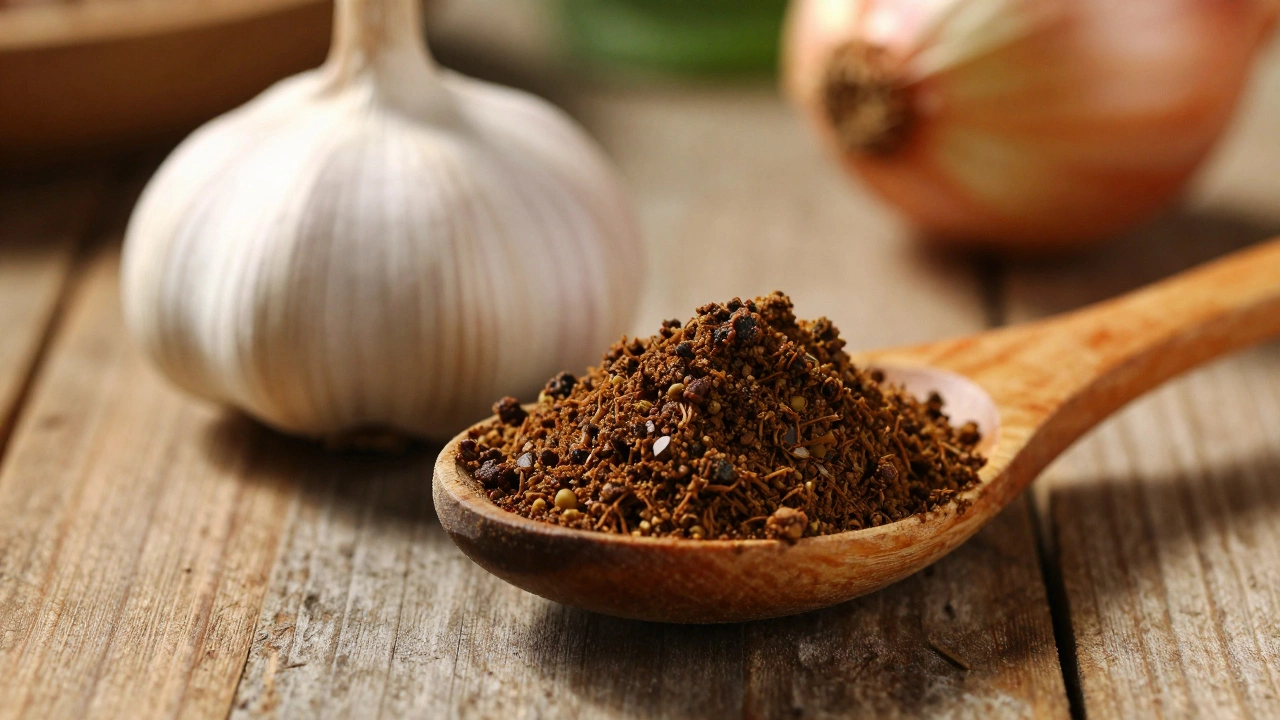
Onion-Garlic Free Curry Builder
Select your preferred base ingredients to generate a custom cooking method.
Flavor Base (Aromatics)
Asafoetida (Hing)
The classic substitute. Adds savory depth and mimics cooked garlic/onion aroma when heated.
Fresh Ginger
Provides a sharp, zesty kick. Essential for the 'Satvik' approach to cut through richness.
Texture & Body
Shallots
Milder than onions. Provides sweetness and bulk. Good if strict allium avoidance isn't needed.
Mushrooms
Packed with glutamates. Use dried shiitake paste or fresh button mushrooms for deep umami.
Umami Boosters
Tamarind
Adds acidity and lifts flavors. Great for balancing spices.
Tomatoes
Cooked down tomatoes provide sweetness, body, and act as a natural thickener.
Your Recipe Plan
Based on your selections
Click "Generate Cooking Method" to see how to combine these ingredients into a delicious curry.
You’ve probably heard about people who avoid onions and garlic in their diet. Maybe you’re following a specific spiritual path, dealing with digestive issues, or just trying to lower your histamine intake. The big question is: how do you make Indian food taste like Indian food without those two flavor pillars?
There isn’t just one single "magic" spice that does it all. Instead, there’s a toolkit of ingredients. The most famous answer is asafoetida, also known as hing. But if you rely only on that, your curry might smell funny. To get the deep, savory, umami richness of an onion-garlic base, you need to combine a few clever substitutes.
The Star Player: Asafoetida (Hing)
If you ask any Indian cook what replaces garlic and onion, they will point to asafoetida. It’s a resin extracted from the root of a giant fennel plant. In its raw form, it smells incredibly pungent-almost like rotten sulfur. But here is the trick: you never eat it raw.
When you heat a tiny pinch of asafoetida in oil or ghee, that harsh smell vanishes. What remains is a warm, savory aroma that mimics the cooked essence of garlic and onion perfectly. It adds that essential "depth" to dishes that would otherwise taste flat.
Use it at the beginning of cooking, right after heating your oil. If you add it too late, it won’t bloom properly, and you’ll be left with a bitter taste. Black asafoetida is generally considered stronger and more authentic than the white variety, which is often diluted with flour.
The Texture Substitute: Shallots and Scallions
Asafoetida gives you the *flavor* profile, but it doesn’t give you the *body*. Onions provide bulk and sweetness to curries. If you are avoiding onions and garlic for health reasons (like IBS or candida diets), you might still be able to eat shallots. They are technically part of the same Allium family, but they are much milder and often tolerated better.
Finely chopped shallots can replace the onion base in a chicken curry. Sauté them until they are soft and golden. They bring a gentle sweetness that balances the heat of chilies. If even shallots are off-limits, green parts of scallions (spring onions) can add a fresh, mild oniony note without the heavy sulfur compounds found in bulb onions.
Building Umami Without Alliums
Onions and garlic are sources of umami-the fifth taste. When you remove them, you lose that savory satisfaction. You have to rebuild it using other ingredients. Here are the best ways to do that:
- Mushrooms: Dried shiitake mushrooms or fresh button mushrooms packed with natural glutamates. Blend them into a paste or chop them finely to mix into your curry base.
- Tamarind: A splash of tamarind water adds acidity and depth, helping to lift the flavors of the spices.
- Tomatoes: Cooked down tomatoes provide sweetness and body, acting as a thickener similar to caramelized onions.
- Soy Sauce or Tamari: Just a teaspoon can boost the savory notes significantly without altering the color of your dish.
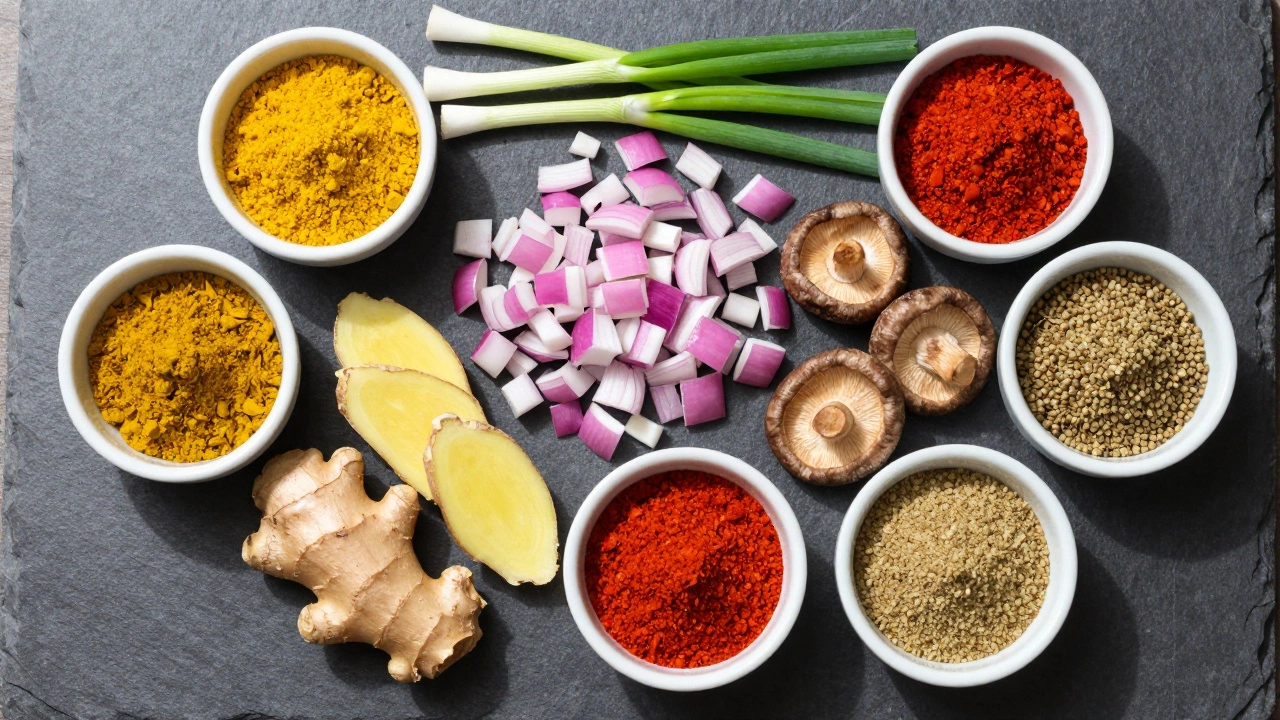
The Satvik Approach: Temple Food Flavors
In many Hindu traditions, particularly in South India and among devotees of certain deities, food must be "Satvik." This means no onions, no garlic, and often no meat. The goal is purity and calmness. How do they make flavorful dal and vegetable curries?
They rely heavily on whole spices. Mustard seeds, cumin seeds, fenugreek leaves (kasuri methi), and black pepper create complex layers of flavor. Fresh ginger is almost always allowed in Satvik cooking. Ginger provides a sharp, zesty kick that cuts through the richness of coconut milk or yogurt, doing some of the work that garlic usually does.
Spice Blends for Onion-Garlic Free Cooking
To make life easier, you can create your own spice blends. Here is a simple framework for an onion-garlic free masala:
- Cumin Seeds: Toasted and ground. Earthy and warm.
- Coriander Powder: Citrusy and nutty. Use this generously as your base.
- Turmeric: For color and anti-inflammatory benefits.
- Red Chili Powder: Adjust based on your heat tolerance.
- Fenugreek Leaves: Crumbled kasuri methi added at the end gives a distinct, restaurant-style aroma.
- Asafoetida: Added during tempering.
Comparison of Substitutes
| Ingredient | Best Used For | Flavor Profile | Dietary Note |
|---|---|---|---|
| Asafoetida (Hing) | Tempering, Lentils, Vegetables | Savory, Garlic-like when cooked | Vegan, Gluten-Free (check brand) |
| Shallots | Curry Bases, Stir-fries | Sweet, Mild Onion | Allium Family (Milder) |
| Ginger | Marinades, Soups, Curries | Zesty, Spicy, Warm | Vegan, Anti-inflammatory |
| Mushroom Powder | Gravy Thickening, Meat Dishes | Deep Umami, Earthy | Vegan, High Protein |
| Scallion Greens | Garnish, Light Curries | Fresh, Grassy, Mild | Allium Family (Leaf Only) |
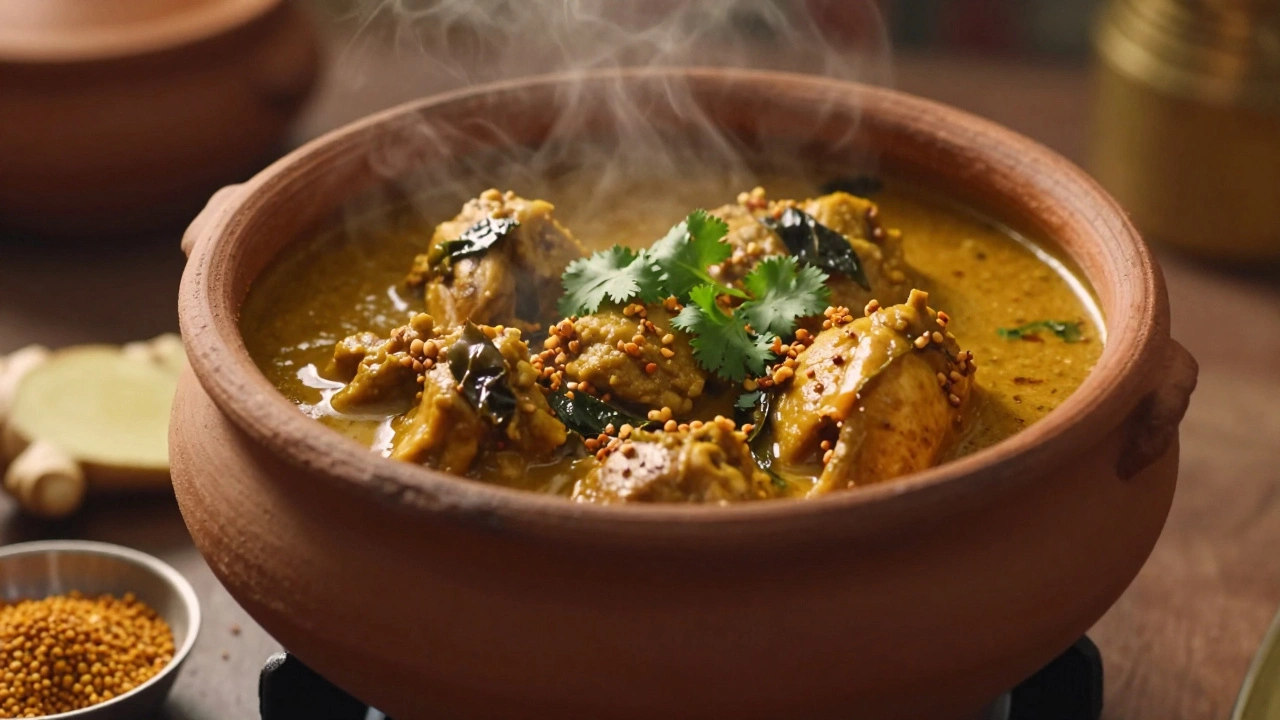
How to Make Onion-Garlic Free Chicken Curry
Let’s put this into practice. Making a chicken curry without onions or garlic sounds daunting, but it’s actually quite straightforward. The key is layering your spices correctly.
Start by heating ghee or oil in a pan. Add mustard seeds and let them pop. Then, add a pinch of asafoetida. Stir immediately so it doesn’t burn. Next, add sliced ginger and green chilies. Let the ginger sizzle until it turns slightly brown. This step is crucial because ginger provides the aromatic backbone.
Add your chicken pieces and sear them well. Now, add your dry spices: coriander powder, turmeric, red chili powder, and garam masala. Mix well so the chicken is coated. Pour in a cup of coconut milk or plain yogurt for creaminess. Simmer until the chicken is cooked through. Finish with a handful of crumbled fenugreek leaves and fresh cilantro.
This method creates a rich, aromatic curry that satisfies the craving for traditional Indian flavors without relying on the forbidden duo. The ginger and asafoetida team up to provide the punch, while the coconut milk adds the comfort.
Common Mistakes to Avoid
One common mistake is using too much asafoetida. Remember, it’s potent. Start with a small amount and taste. Another error is skipping the ginger. Without garlic, ginger becomes your primary aromatic agent. Don’t skimp on it. Finally, don’t forget salt. Salt enhances the perception of other flavors, making your spice blend pop even more.
Is It Safe for Everyone?
For most people, these substitutes are safe. However, if you are avoiding onions and garlic due to a specific medical condition like IBS, check with your doctor about shallots and scallions, as they still contain fructans. Asafoetida is generally well-tolerated, but it can cause heartburn in sensitive individuals if used in large quantities. Always start slow.
Can I use onion powder if I’m avoiding onions?
No, onion powder is just dehydrated onion. It contains the same compounds that cause issues for people with IBS or those following Satvik diets. Stick to asafoetida or mushroom powder instead.
Does asafoetida taste like garlic?
Not exactly. Raw asafoetida smells like sulfur. But when cooked in fat, it develops a savory, umami-rich flavor that closely resembles the aroma of cooked garlic and onions. It’s the closest culinary substitute available.
What is the best substitute for garlic in marinades?
Fresh ginger is the best substitute for garlic in marinades. Its zesty, spicy notes penetrate the meat or vegetables effectively. You can also add a dash of lemon juice or vinegar to brighten the flavor further.
Are shallots safe for a low-FODMAP diet?
Small amounts of the white part of shallots may be tolerated, but the green parts are generally safer. However, for strict low-FODMAP adherence, it’s better to avoid alliums entirely and use chives or asafoetida instead.
Why do Indians use asafoetida in temple food?
In many Hindu traditions, onions and garlic are considered Rajasic or Tamasic, meaning they stimulate passion or inertia. Asafoetida is accepted as a Satvik alternative because it provides flavor without these stimulating properties, keeping the mind calm and clear.