Indian Meal Calorie Estimator
Select your dishes below to build your meal.
Meal Summary
- No items selected
Walking into a traditional Indian restaurant or even opening your fridge at home can feel like navigating a minefield if you are watching your weight. The cuisine is famous for its rich gravies, creamy curries, and fluffy breads soaked in ghee. It is delicious, but it is also dense with calories. You might wonder if there is any way to enjoy these flavors without blowing your daily energy budget. The short answer is yes, but you need to know exactly what to look for.
When people ask what is the least fattening Indian dish, they are usually looking for something that satisfies their craving for spice and aroma without the heavy burden of saturated fats and refined carbs. The truth is that Indian cuisine has a massive spectrum. On one end, you have butter chicken swimming in cream. On the other, you have steamed vegetables seasoned with turmeric and ginger. The goal here is not to starve yourself of flavor, but to choose dishes where the ingredients do the heavy lifting, not the oil.
The Golden Rule: Cooking Method Matters Most
Before we list specific dishes, you need to understand the engine behind the calories. In Indian cooking, the method often matters more than the ingredient. A potato is just a potato, right? Wrong. If you boil that potato and mash it with a little salt and black pepper, it is a low-calorie side. If you deep-fry it until it is golden brown and serve it as a snack, you have just multiplied its caloric density by three or four.
Look for these cooking keywords on menus or recipe titles:
- Steamed (Bhaapa): Uses no added fat. Think idlis or dhokla.
- Sautéed/Tadka (Tempered): Uses a small amount of oil to bloom spices before adding vegetables. This adds flavor without drowning the dish.
- Boiled/Cooked (Ubala): Common for dals and soups. Very safe for weight management.
Avoid anything described as "fried," "crispy" (unless it's baked), or served with "creamy gravy." These are red flags for high calorie counts.
Top Contenders for the Lowest Calorie Count
If you want the absolute lowest calorie options, you need to focus on water-based dishes and fermented foods. Here are the winners.
1. Dal Tadka (Tempered Lentil Soup)
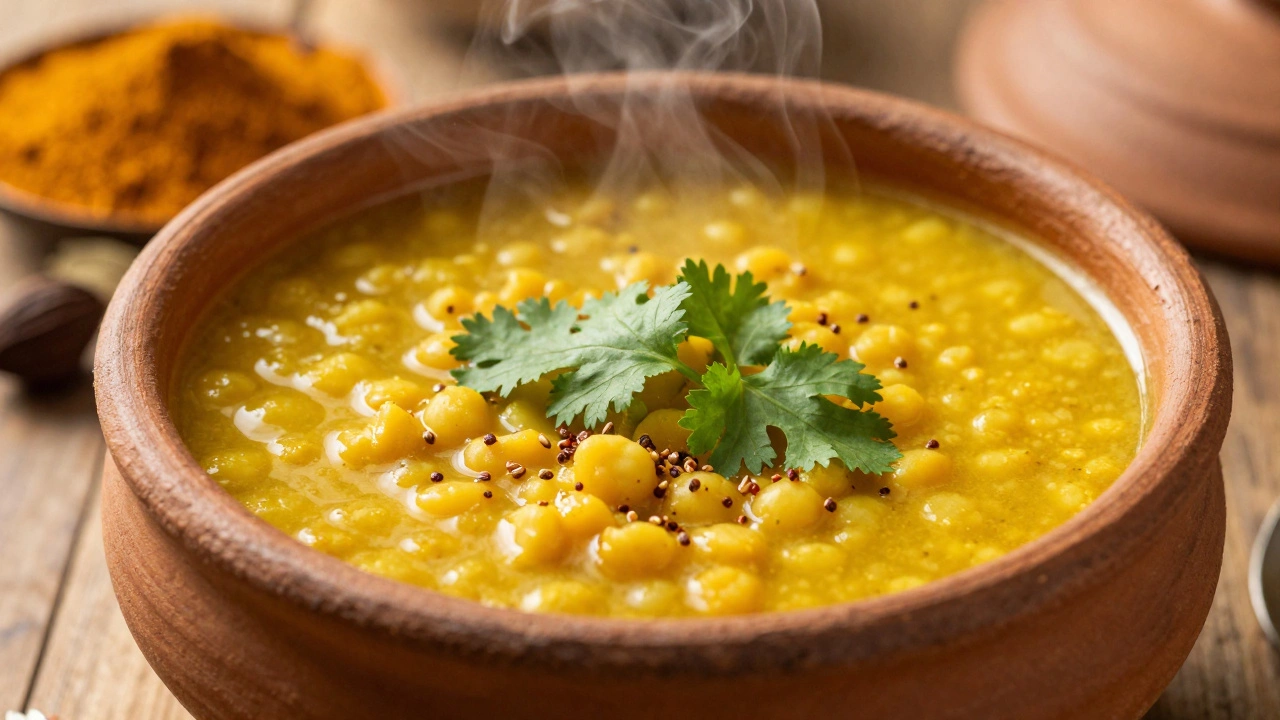
Dal is the backbone of Indian vegetarian diets. It is made from lentils, which are packed with protein and fiber. Fiber keeps you full, which stops you from snacking later. A standard bowl of yellow dal (made from moong or masoor lentils) has about 150-200 calories. The key is the "tadka." Traditionally, tadka involves frying cumin seeds, garlic, and chilies in hot oil. To keep it lean, use just one teaspoon of olive oil or mustard oil. The result is a warm, comforting soup that tastes rich but is actually very light on the stomach.
2. Steamed Idli
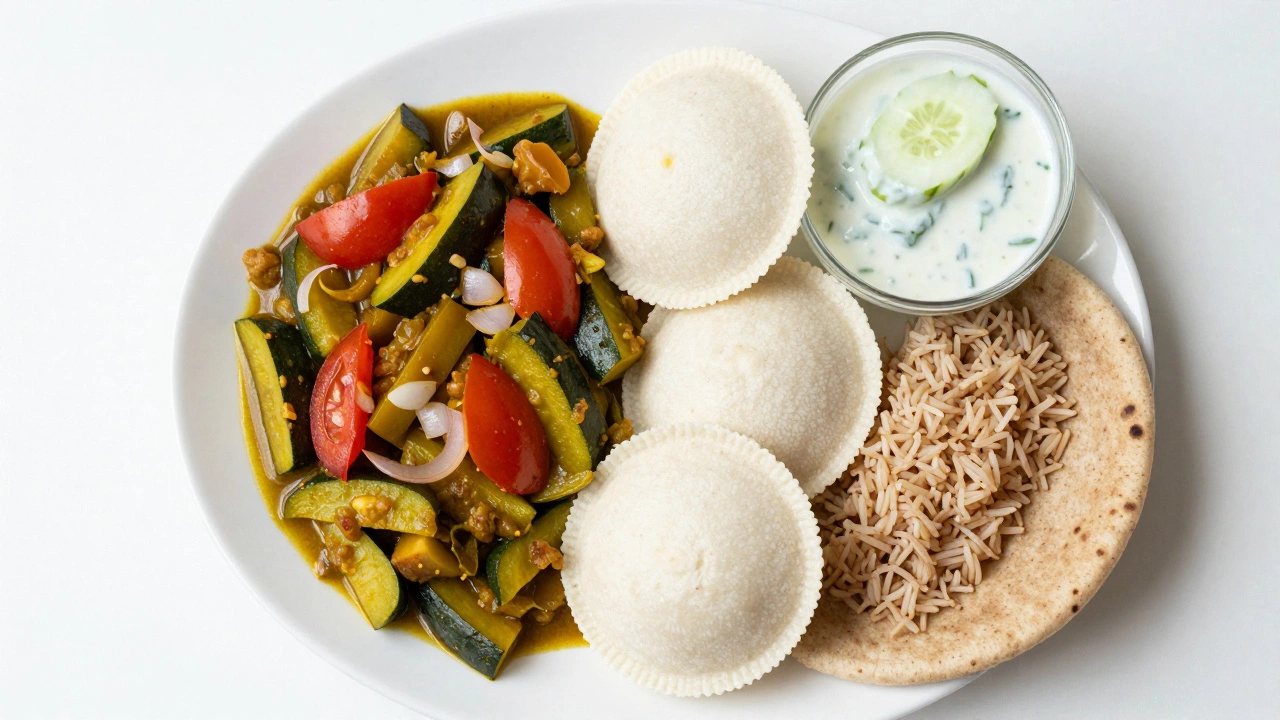
Idlis are small, white cakes made from fermented rice and urad dal batter. Because they are steamed, they contain zero added fat. Two medium idlis have roughly 80-100 calories. They are incredibly filling because the fermentation process makes them easy to digest. While plain idlis taste mild, they become exciting when paired with a spicy sambar (a vegetable stew) or coconut chutney. Just watch the portion size of the chutney, as coconut is high in fat.
3. Lauki Sabzi (Bottle Gourd Curry)
Lauki, or bottle gourd, is a sponge-like vegetable that absorbs flavors beautifully while remaining extremely low in calories. One cup of cooked lauki has only about 20-30 calories. When prepared as a sabzi (curry) with onions, tomatoes, and spices, it becomes a substantial main course. It hydrates you and fills your stomach volume, tricking your brain into feeling satisfied without consuming many calories.
4. Raita (Yogurt Side Dish)
Raita is a mixture of yogurt and chopped vegetables like cucumber, mint, or boondi. Using low-fat Greek yogurt or hung curd (chana), raita provides probiotics and protein. A bowl of cucumber raita can be under 100 calories. It cools down the heat of spicy dishes and aids digestion. It is the perfect companion to almost any meal.
Comparison of Popular Indian Dishes
| Dish | Estimated Calories | Fat Content | Fiber |
|---|---|---|---|
| Steamed Idli (2 pcs) | 90 kcal | Low | Moderate |
| Dal Tadka (1 bowl) | 180 kcal | Low-Moderate | High |
| Lauki Sabzi (1 bowl) | 120 kcal | Low | High |
| Palak Paneer (1 bowl) | 350 kcal | High | Moderate |
| Butter Chicken (1 serving) | 600+ kcal | Very High | Low |
| Veg Fried Rice (1 plate) | 400 kcal | Moderate | Low |
Smart Swaps for Everyday Meals
You don't have to give up your favorite foods entirely; you just need to tweak them. Here is how to make common dishes less fattening.
Rice to Roti Switch: White rice is calorie-dense and spikes blood sugar. Swap half your rice portion for a whole wheat roti (flatbread). Or better yet, try millets like ragi or jowar rotis. They have more fiber and keep you fuller for longer.
Cream to Curd: Many creamy gravies use heavy cream or cashew paste. Ask for the dish to be made with low-fat yogurt instead. It gives a similar tangy richness without the saturated fat bomb.
Ghee to Oil: Ghee is pure fat. While it has health benefits, it is calorically expensive (120 calories per tablespoon). Use a measured amount of olive oil or avocado oil for sautéing. Measure it out; don't pour it directly from the jar.
Healthy Indian Snacks That Won't Ruin Your Diet
Snacking is where most diets fail. Indian snacks are notoriously fried. Here are some alternatives that fit the "least fattening" criteria.
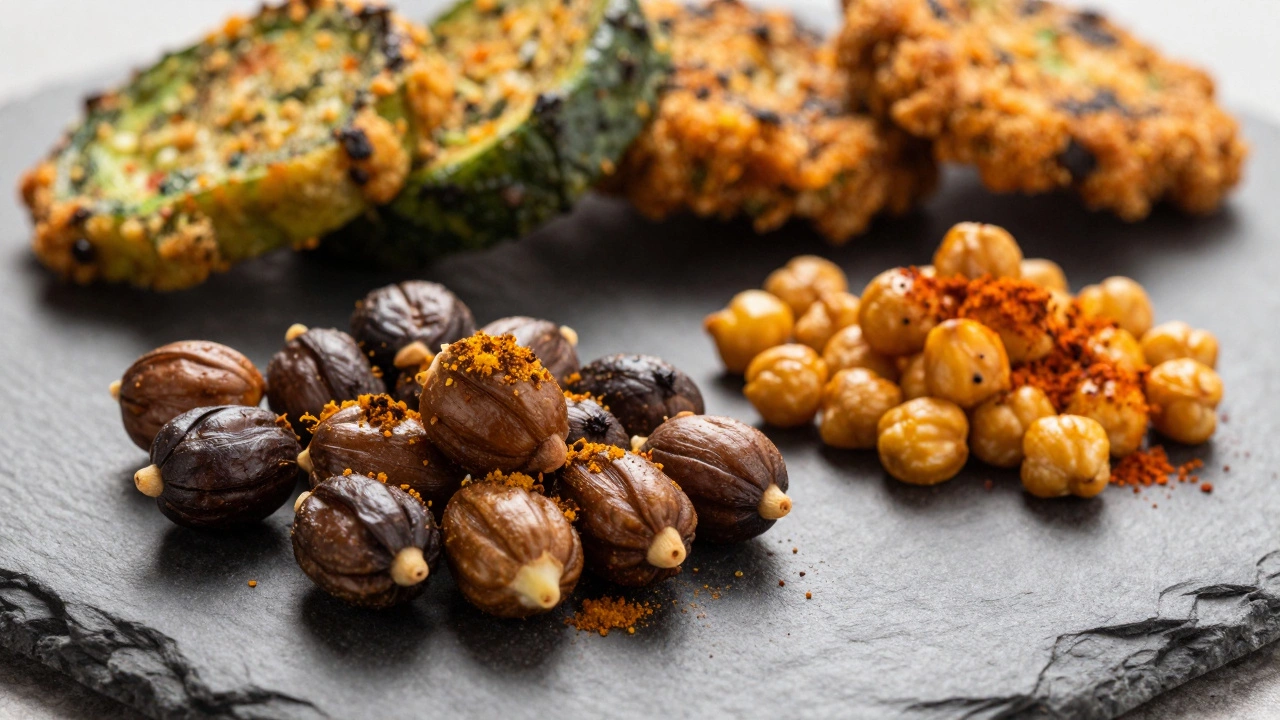
- Makhana (Fox Nuts): Roasted makhana is crunchy, low in calories, and high in magnesium. Sprinkle with chaat masala and roasted cumin powder for a savory kick.
- Roasted Chana: Chickpeas roasted with salt and chili powder provide protein and crunch. They are shelf-stable and easy to carry.
- Vegetable Cutlets (Baked): Instead of deep-frying potato cutlets, bake them in the oven with breadcrumbs and herbs. They retain the texture but cut the fat content significantly.
- Fruit Chaats: Mix diced apples, pears, and berries with a squeeze of lemon juice. Skip the sweetened yogurt sauce and use fresh mint leaves instead.
Portion Control: The Hidden Factor
Even the healthiest dish can cause weight gain if you eat too much of it. Indian portions, especially in restaurants, are often larger than recommended. Here is a simple rule of thumb for plating:
- Half the plate: Non-starchy vegetables (like lauki, beans, spinach).
- One-quarter of the plate: Protein (dal, tofu, chicken breast).
- One-quarter of the plate: Carbohydrates (rice, roti).
This visual guide helps you balance nutrients without needing to count every single calorie. It ensures you get enough fiber to aid digestion and protein to maintain muscle mass.
Common Pitfalls to Avoid
Be wary of "healthy-sounding" traps. For example, paneer is a great source of protein, but it is also high in fat. Palak paneer is nutritious because of the spinach, but the cheese adds significant calories. If you are strictly cutting calories, limit paneer to small cubes or switch to tofu (soya chunks), which is lower in fat and higher in protein.
Also, beware of chutneys. Tamarind chutney is loaded with sugar. Coconut chutney is high in fat. Stick to green coriander-mint chutney, which is mostly herbs and water with minimal oil.
Is dal really good for weight loss?
Yes, dal is excellent for weight loss. It is high in protein and dietary fiber, both of which increase satiety and reduce overall calorie intake. Just ensure the tadka (tempering) uses minimal oil.
Can I eat rice while trying to lose weight?
You can, but portion control is key. Brown rice or quinoa are better options than white basmati rice due to higher fiber content. Limit your serving to half a cup cooked.
What is the healthiest Indian breakfast?
Steamed idlis with sambar and a small portion of coconut chutney is one of the healthiest options. Alternatively, upma made with semolina and lots of vegetables is also a balanced choice.
Are Indian street foods bad for dieting?
Most traditional street foods like samosas, pakoras, and vada pav are deep-fried and high in calories. Opt for grilled options like seekh kebabs or chaat items that are not fried, such as fruit chaat.
How does ghee affect weight loss?
Ghee is calorie-dense. While it aids digestion and absorption of fat-soluble vitamins, excessive consumption can lead to weight gain. Use it sparingly, limiting to 1 teaspoon per day if you are cutting calories.