Regional Indian Breakfast Builder
Select one main dish from each region to build a diverse meal or compare traditional options.
South India
Fermented Rice & Lentils
North India
Wheat & Ghee
West India
Semolina & Spices
East India
Rice & Fish
Your Meal Analysis
Ask a dozen Indians what they had for breakfast this morning, and you’ll likely get a dozen different answers. You might hear about steamed rice cakes from the south, flaky flatbreads from the north, or sweet semolina porridge from the west. There is no single dish that holds the official title of "national breakfast" in India, a country where culinary diversity rivals its linguistic variety. Instead of one unified meal, the concept of Indian breakfast is defined by region, climate, and tradition. Understanding these differences reveals why the idea of a singular national breakfast is as complex as the country itself.
The question often stems from a desire to find a common thread in Indian culture. While there isn't a government-declared breakfast dish, certain foods have achieved near-universal recognition across state lines. These dishes serve as cultural ambassadors, introducing non-Indians to the flavors of the subcontinent while providing comfort to locals traveling abroad. The real story lies not in finding one winner, but in exploring how geography shapes what people eat when they wake up.
The Southern Staple: Fermented Rice and Lentils
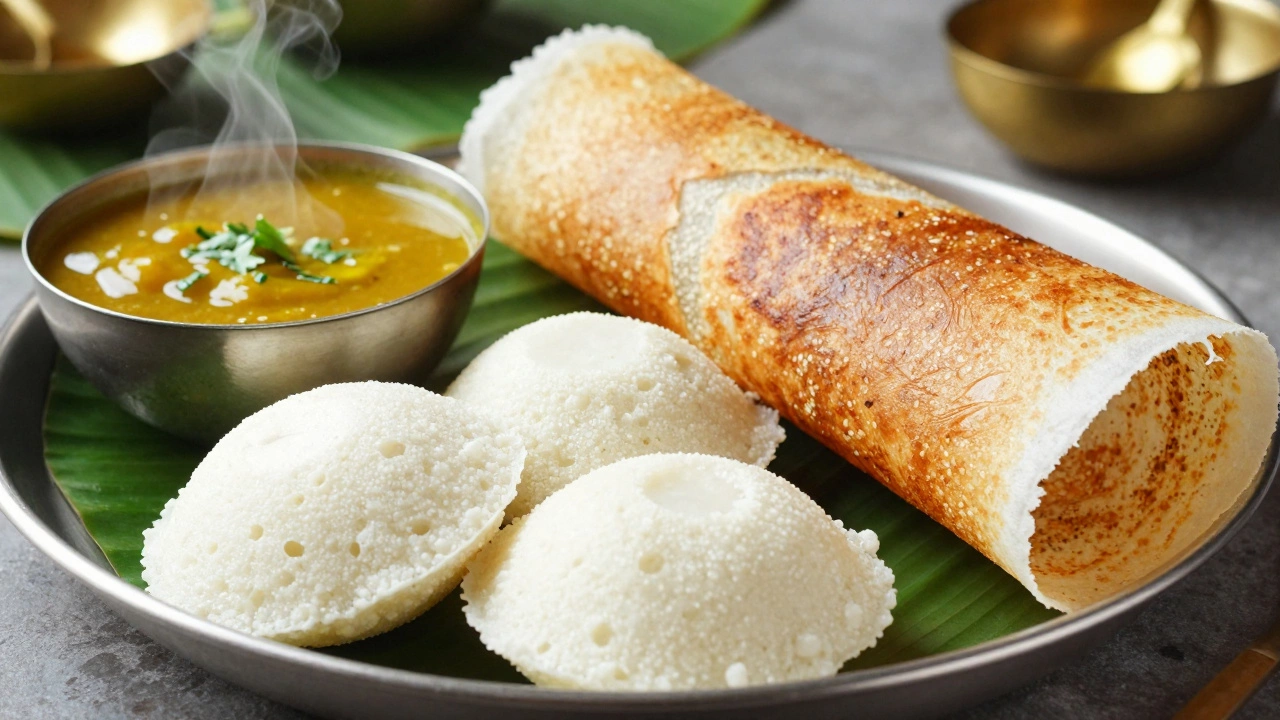
If you are looking for the most internationally recognized Indian breakfast, it usually comes from the southern states of Tamil Nadu, Kerala, Karnataka, and Andhra Pradesh. Here, the cornerstone of the morning meal is fermentation. The duo of Idli and steamed rice cakes made from fermented batter of black lentils and rice dominates the landscape. Idlis are soft, spongy, and digestible, making them a perfect start to the day in hot climates.
These steamed cakes are rarely eaten alone. They are almost always served with Sambar, a tangy vegetable stew made with tamarind and lentils, and Coconut Chutney, a creamy paste ground with fresh coconut, green chilies, and tempering spices. This combination provides a balanced mix of carbohydrates, protein, and healthy fats. The fermentation process also increases the bioavailability of nutrients, which has kept this diet popular for centuries.
Closely related to idli is Dosa, a thin, crispy crepe made from the same fermented batter. Dosa can be plain, stuffed with potato masala (Masala Dosa), or topped with egg (Egg Dosa). In cities like Chennai and Bangalore, street vendors sell dosas at all hours, blurring the line between breakfast and snack. The versatility of dosa means it can be light and fluffy or thick and crunchy, depending on the cook’s technique.
| Dish | Primary Ingredients | Cooking Method | Texture |
|---|---|---|---|
| Idli | Rice, Urad Dal | Steaming | Soft, Spongy |
| Dosa | Rice, Urad Dal | Griddling | Crispy, Thin |
| Vada | Urad Dal | Frying | Crispy Outside, Soft Inside |
| Pongal | Rice, Moong Dal | Boiling/Frying | Creamy, Porridge-like |
The Northern Comfort: Wheat and Ghee
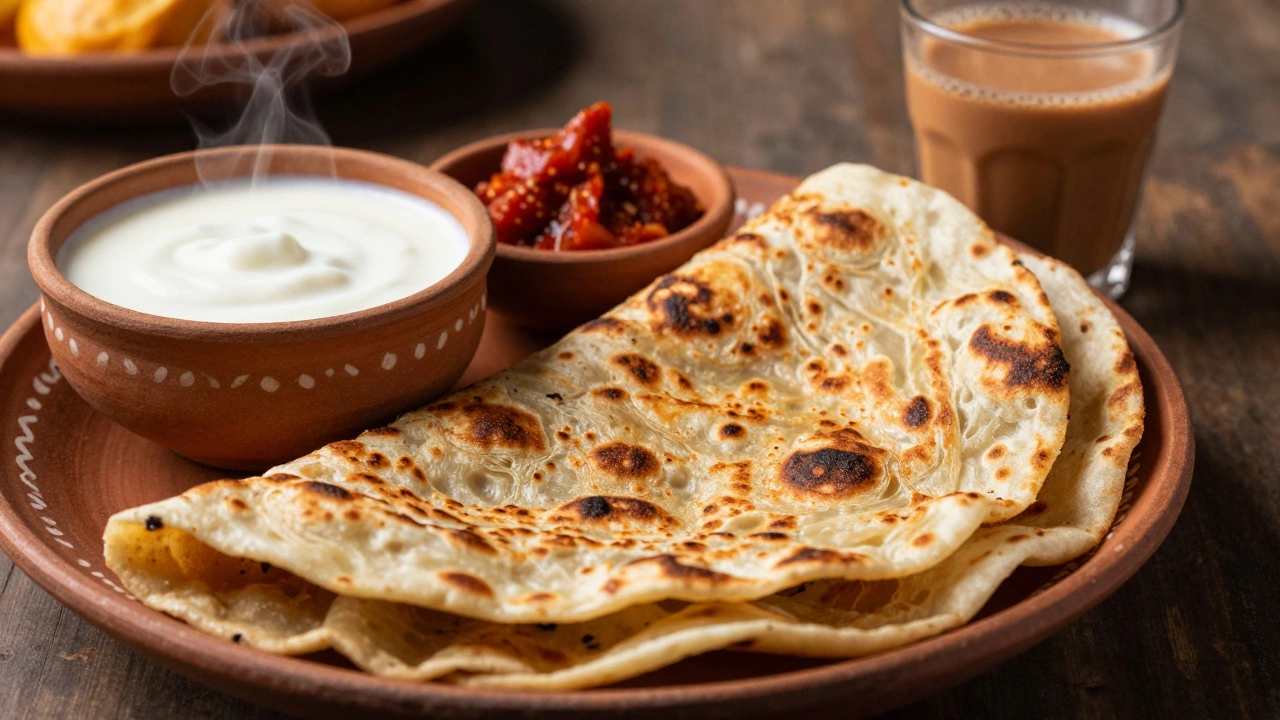
Move north of the Vindhya range, and the menu shifts dramatically from rice-based ferments to wheat-based breads. In states like Punjab, Haryana, Uttar Pradesh, and Delhi, breakfast is hearty, warm, and often involves ghee (clarified butter). The star here is the Paratha, a layered flatbread stuffed with fillings such as potatoes, paneer, or radish.
Aloo Paratha (potato-stuffed flatbread) is perhaps the most iconic northern breakfast. It is rolled out carefully to prevent the filling from leaking, cooked on a griddle with generous amounts of oil or ghee, and served with a bowl of dahi (yogurt), pickle, and sometimes a cup of chai. The yogurt helps balance the heaviness of the fried bread, aiding digestion. This meal is designed to sustain energy through long workdays in cooler climates.
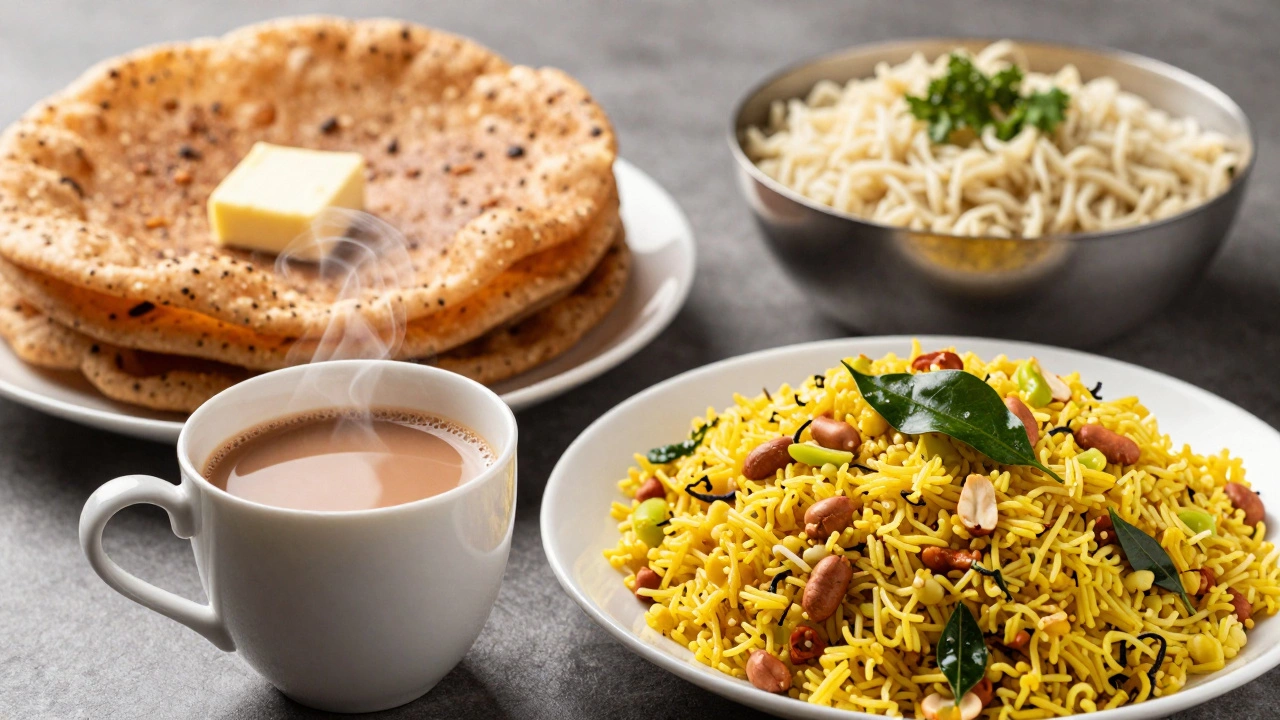
Another staple is Poha, made from flattened rice flakes. While poha is eaten across central India, it is particularly popular in Maharashtra and Madhya Pradesh. It is quickly sautéed with mustard seeds, curry leaves, turmeric, onions, and peanuts. Poha is lightweight, quick to prepare, and easy on the stomach, making it a favorite for busy mornings. Unlike the heavy parathas, poha represents the efficiency of urban Indian breakfast culture.
The Western Twist: Semolina and Spices
In western India, particularly in Gujarat and Rajasthan, breakfast leans towards savory-sweet combinations and millet-based dishes. Upma, a porridge made from semolina (suji/rava), is widely consumed here and in other parts of India. However, Gujarati Upma often includes a pinch of sugar along with the usual spices, reflecting the region's preference for balancing tastes.
Gujarati households frequently start the day with Thepla, a spiced flatbread made with fenugreek leaves (methi). Methi adds a bitter note that cuts through the richness of the dough, and the bread can be stored for days without refrigeration, making it ideal for travelers. Thepla is typically eaten with white butter and pickle. In Rajasthan, due to the arid climate, dairy plays a huge role. Breakfast might include Gatte ki Sabzi, gram flour dumplings cooked in a spicy yogurt gravy, though this is more of a lunch dish, lighter versions appear in morning meals during festivals.
The Eastern Simplicity: Rice and Fish
In eastern India, including West Bengal, Odisha, and Bihar, rice remains king even for breakfast. Chira, or beaten rice flakes, is a common choice. It can be eaten dry with milk and sugar or cooked into a savory khichdi with vegetables and lentils. Bengalis often enjoy Luchi, deep-fried puffy bread, paired with Aloo Dum, a rich potato curry. This combination is heavier than southern idlis but offers a satisfying crunch and depth of flavor.
Fish also makes an appearance in coastal eastern regions. Fried hilsa or pomfret might accompany a simple rice meal, especially among non-vegetarian households. The use of mustard oil is prevalent here, giving the food a pungent, sharp aroma that distinguishes it from the coconut-heavy south or ghee-rich north.
The Unifying Force: Chai and Snacks
While the main dishes vary, one element unites every Indian breakfast: Chai, strong black tea brewed with milk, sugar, and spices like cardamom and ginger. Whether you are eating idli in Kerala or paratha in Punjab, chai is the essential companion. It slows down the meal, allowing for conversation and relaxation. In many homes, the preparation of chai signals that breakfast is ready.
Beyond the main plate, small snacks play a crucial role. Bread Pakora, slices of bread dipped in chickpea batter and fried, are a modern addition found in street stalls nationwide. Similarly, Pav Bhaji, mashed vegetables served with buttered bread rolls, originated in Mumbai but is now enjoyed across the country as a weekend brunch item. These dishes show how Indian breakfast culture adapts to global influences while retaining local flavors.
Why No Single National Breakfast?
The absence of a single national breakfast reflects India's federal structure and agricultural diversity. Different regions grow different crops: rice in the wet south and east, wheat in the dry north, and millets in the central plains. Historical trade routes introduced ingredients like chili peppers from the Americas and coffee from Ethiopia, which were integrated into local diets over time. Colonial history also left marks, with English-style toast and eggs becoming part of urban upper-class breakfasts in cities like Kolkata and Mumbai.
This diversity is a strength rather than a weakness. It allows for dietary flexibility based on health needs, seasonal availability, and personal preference. For instance, someone managing diabetes might choose ragi mudde (finger millet balls) in Karnataka, while someone seeking quick energy might opt for jaggery-infused poha in Maharashtra. The lack of a monolithic standard encourages experimentation and preservation of traditional recipes.
Modern Trends in Indian Breakfast
In recent years, health consciousness has influenced Indian breakfast habits. Traditional items like idli and dosa are being marketed as gluten-free and probiotic-rich options. Startups are creating ready-to-eat mixes for dosa batter and upma, catering to urban professionals who want authentic taste without the prep time. Additionally, fusion dishes like avocado toast with chutney or quinoa upma are gaining traction among younger demographics.
However, core traditions remain resilient. Families still gather around the table for Sunday breakfasts, preparing elaborate spreads that include multiple items from their regional heritage. This ritual reinforces cultural identity and community bonds. As India continues to urbanize, the challenge will be maintaining these slow-food practices amidst fast-paced lifestyles.
Is there an official national breakfast of India?
No, India does not have an officially declared national breakfast. The country's culinary diversity means that breakfast varies significantly by region, with no single dish representing the entire nation.
What is the most popular Indian breakfast worldwide?
Idli and Dosa are arguably the most recognized Indian breakfast dishes globally. Their vegetarian nature, ease of adaptation, and distinct flavors have made them staples in Indian restaurants around the world.
What do people in North India typically eat for breakfast?
North Indians commonly eat wheat-based dishes like Paratha (stuffed flatbread), Poha (flattened rice), and Aloo Sabzi (potato curry). These meals are often accompanied by yogurt, pickle, and chai.
Is Indian breakfast generally vegetarian?
Yes, the majority of traditional Indian breakfast dishes are vegetarian. Staples like idli, dosa, poha, and paratha are plant-based. Non-vegetarian options exist, particularly in coastal and eastern regions, but they are less common for morning meals.
What drink is traditionally paired with Indian breakfast?
Chai (spiced milk tea) is the universal beverage paired with Indian breakfast. Coffee is also popular, especially in South India, where filter coffee is a daily ritual.