Indian Dish Recommender
Discover the perfect Indian dish based on your cooking time, skill level, and dietary needs
Your Preferences
Why This Tool?
The article explains that the "nicest" Indian dish depends on your situation. This tool helps you match your preferences to the best dish based on:
- Vegetarian or non-vegetarian
- Cooking time available
- Comfort level with cooking
Asking which Indian dish is the nicest is like asking someone to pick their favorite child. It’s a question that sparks passionate debates in kitchens across the globe. Some swear by the fiery heat of a Vindaloo, while others melt at the thought of a creamy Korma. But if we are talking about the dishes that bring the most joy to the table, require the least amount of panic from the cook, and leave everyone asking for seconds, there are a few clear winners. The beauty of Indian Cuisine is a vast culinary tradition known for its complex spice blends, aromatic herbs, and diverse regional styles. It spans from the tandoors of the north to the coconut-heavy curries of the south. When you are looking for the absolute nicest dish to make at home, you need something that balances flavor with simplicity.
The Creamy Contenders: Why Butter Chicken Tops the List
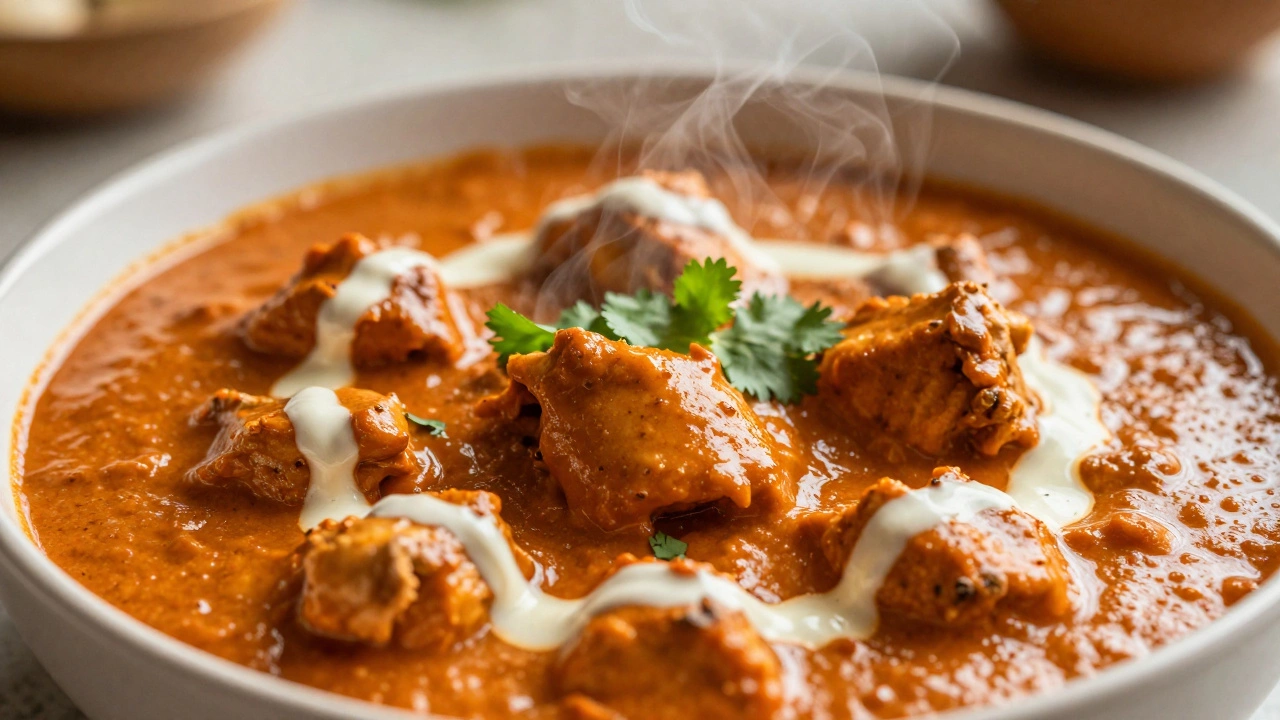
When most people think of Indian food, their mind goes straight to Butter Chicken is a rich, tomato-based curry originating from Delhi, featuring tender chicken cooked in a creamy, spiced sauce. Also known as Murgh Makhani, it was invented in the 1950s by Kundan Lal Gujral at Moti Mahal restaurant. There is a reason this dish is the global ambassador for Indian cooking. It is forgiving. Unlike a dry curry where a burnt edge ruins the texture, the sauce in Butter Chicken hides a multitude of small mistakes. The richness of the cream and butter coats the tongue, making it incredibly comforting.
You don't need to be a master chef to pull this off. The magic lies in the base: onions, ginger, garlic, and tomatoes blended into a smooth paste. When you simmer this with fenugreek leaves (kasuri methi) and a splash of heavy cream, you get that signature restaurant taste. For a home cook in Sydney, finding the ingredients is easy. Most supermarkets stock the key spices like garam masala and cumin. If you want to make it truly easy, you can use a store-bought tikka paste as a shortcut, but making the masala from scratch takes only twenty minutes and tastes significantly better. The "niceness" here comes from the balance of sweet, tangy, and savory flavors that never overwhelm the palate.
The Lentil Legends: Dal and Chana Masala
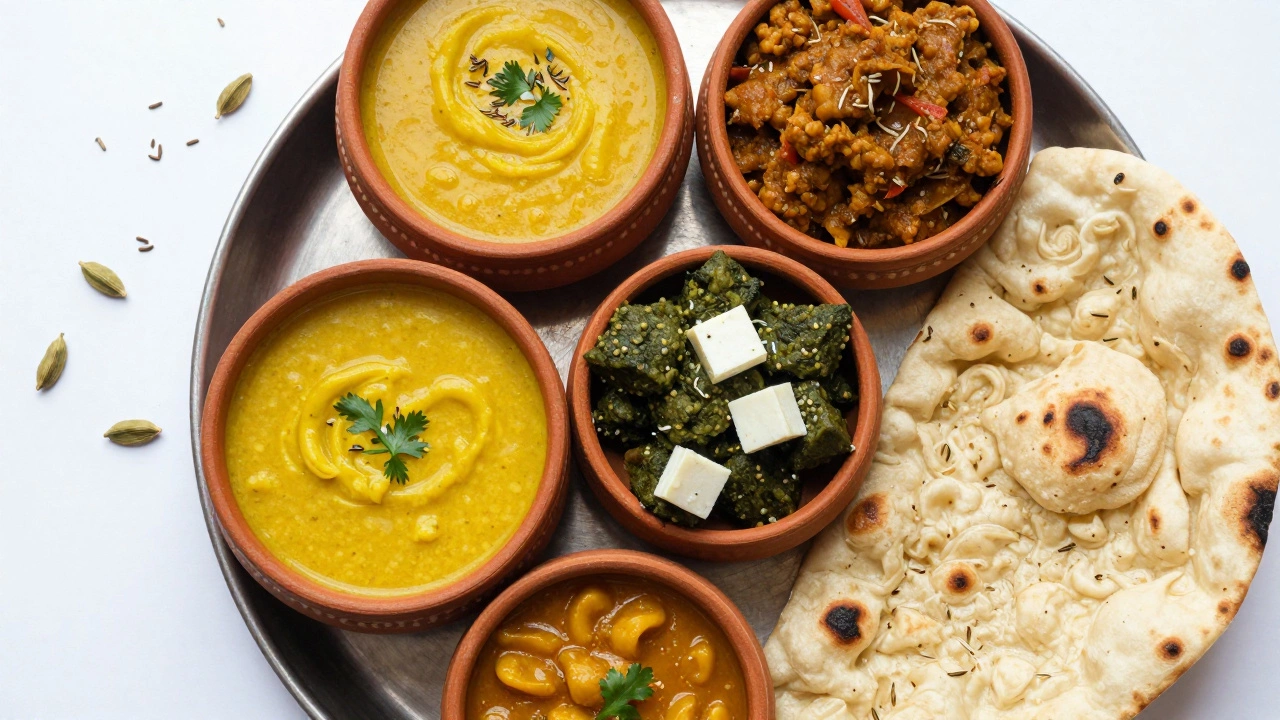
If you prefer something vegetarian that feels just as luxurious, you have to look at the lentils and chickpeas. Dal Tadka is a simple lentil dish from North India made with yellow lentils, tempered with cumin, mustard seeds, and garlic. It is the ultimate comfort food. It is cheap, healthy, and incredibly fast to cook. The process is straightforward: boil the lentils until soft, then prepare the "tadka"-a sizzling mixture of oil, spices, and aromatics-and pour it over the cooked dal.
However, for a slightly more robust flavor profile, Chana Masala is a spicy chickpea curry from the Punjab region, characterized by a tangy tomato and onion gravy. It is hearty enough to be a main meal. The chickpeas hold their shape well, providing a nice texture contrast to the soft sauce. What makes Chana Masala one of the nicest dishes is its versatility. You can add spinach, cauliflower, or even potatoes to stretch the meal. It is also a great way to use up canned chickpeas if you are in a rush, though soaking dry chickpeas overnight yields a creamier result. The spices used here, like amchur (dried mango powder), add a sour kick that cuts through the richness, keeping the dish light and refreshing.
The Rice Royalty: Simplified Biryani
No discussion about Indian food is complete without mentioning rice. Biryani is a fragrant rice dish cooked with meat or vegetables, spices, and saffron, originating from the Mughal Empire. Traditionally, making a proper Biryani involves layering par-boiled rice with marinated meat and slow-cooking it in a sealed pot (dum). This can be intimidating for beginners. However, a one-pot Biryani is much easier to manage and still delivers that incredible aroma of saffron and fried onions.
The "niceness" of Biryani lies in the experience of eating it. Every grain of rice is distinct, infused with the flavors of the meat and spices. For a weeknight meal, you can skip the layering and simply cook the rice and meat together in a large pot. Use basmati rice, which has a lovely nutty flavor and doesn't get too sticky. You can make this with chicken, lamb, or keep it vegetarian with peas and carrots. The key is not to overcook the rice; it should remain fluffy. When you serve this with a side of raita (yogurt sauce), it becomes a complete meal that feels special enough for guests but simple enough for Tuesday night.
Vegetarian Stars: Palak Paneer and Aloo Gobi
For those who want to focus on vegetables, Palak Paneer is a dish made from spinach puree and cubes of paneer cheese, spiced with garlic, ginger, and cumin. It is visually stunning with its vibrant green color. The spinach is blended into a smooth cream, and the paneer cubes absorb the flavor. It is high in iron and protein, making it a healthy option that doesn't feel like a diet meal. The cheese used here is paneer, a fresh Indian cottage cheese that doesn't melt, which is crucial for the texture.
On the other end of the spectrum is Aloo Gobi is a dry curry made with potatoes and cauliflower, seasoned with turmeric, cumin, and coriander. This is a classic home-style dish. It is often served as a side, but it can be the main event. The vegetables are roasted or sautéed until they have a slight char, which adds a smoky flavor. It is very economical and uses ingredients found in almost any pantry. The simplicity of Aloo Gobi is its charm; it relies on the natural flavors of the vegetables enhanced by the right amount of turmeric and garam masala.
Sides and Breads: The Perfect Pairing
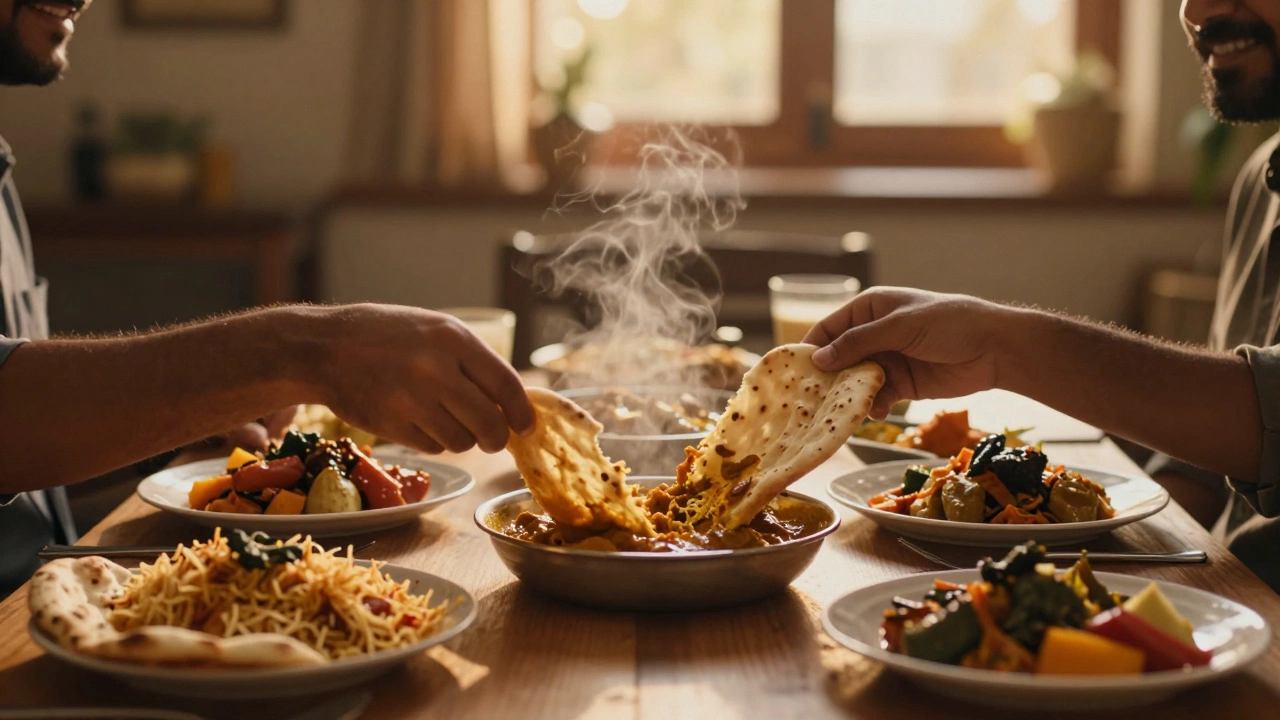
A curry is nothing without something to scoop it up with. Naan is a leavened flatbread from the Indian subcontinent, traditionally baked in a tandoor oven. While making Naan at home requires a hot oven or a grill, store-bought Naan is widely available and reheats beautifully. It is soft, chewy, and perfect for soaking up the creamy sauces of Butter Chicken or Korma. If you want something healthier, you can make Roti or Chapati, which are unleavened flatbreads made from whole wheat flour. They are quick to make and add a nice texture to the meal.
Don't forget the pickles and chutneys. Mango pickle adds a spicy, fermented kick that contrasts with mild curries. Mint chutney is refreshing and cuts through the richness of fatty dishes. These small additions elevate the meal from good to great. They show attention to detail and provide a range of flavors in every bite. When you serve your "nicest" dish, make sure to include at least one bread and one rice option to cater to different preferences.
How to Choose the Right Dish for You
Selecting the nicest Indian dish depends on your specific situation. If you are cooking for a crowd, Butter Chicken or Chana Masala are safe bets because they are universally liked. If you are cooking for yourself or a small family, Dal Tadka is the most efficient choice. Consider your spice tolerance. Indian food is often assumed to be spicy, but many dishes like Korma or Butter Chicken are mild. You can always add chili flakes or fresh chilies at the table if you want more heat.
Time is another factor. A proper Biryani might take an hour, while a Dal can be ready in twenty minutes. Don't let the complexity of the spices scare you. Most Indian households use a pre-mixed curry powder or garam masala to speed things up. The goal is to enjoy the process, not stress over it. The nicest dish is the one you enjoy making and eating without feeling overwhelmed.
| Dish | Difficulty | Cook Time | Best For | Key Ingredient |
|---|---|---|---|---|
| Butter Chicken | Medium | 45 mins | Beginners, Meat Eaters | Tomato, Cream |
| Dal Tadka | Easy | 30 mins | Quick Meals, Vegetarians | Lentils |
| Chana Masala | Easy | 40 mins | Vegetarians, Budget | Chickpeas |
| Biryani | Hard | 60+ mins | Special Occasions | Basmati Rice |
| Palak Paneer | Medium | 35 mins | Health Conscious | Spinach, Paneer |
Common Mistakes to Avoid
When trying to make these dishes, there are a few pitfalls to watch out for. First, don't burn your spices. Whole spices like cumin and mustard seeds should be added to hot oil and cooked for just a few seconds until they sizzle. If you leave them too long, they turn bitter. Second, don't rush the onions. For many curries, the base is caramelized onions. This takes time, but it provides the sweetness and depth that makes the dish taste authentic. Third, be careful with salt. Indian spices can be salty, so taste your dish before adding extra salt at the end.
Another common issue is the texture of the rice. If you are making Biryani or serving rice on the side, rinse the rice thoroughly until the water runs clear. This removes excess starch and prevents the rice from becoming mushy. Finally, don't be afraid to adjust the recipe to your taste. If you like it creamier, add more yogurt or cream. If you want it tangier, add a squeeze of lemon juice. Cooking is about experimentation, and the nicest dish is the one tailored to your preferences.
Where to Find Ingredients in Australia
Living in Sydney, you have access to a wide range of Indian ingredients. Most major supermarkets like Woolworths and Coles stock the basics like basmati rice, chickpeas, lentils, and curry powders. For more specific items like paneer, fresh ginger, or specific spices, visit a local Indian grocery store. These stores often have a better selection of chilies and fresh herbs like cilantro and mint. Don't hesitate to ask the staff for advice; they are usually very knowledgeable and happy to recommend the best products. Some stores even sell pre-made spice blends that can save you a lot of time.
Freshness is key. If you can't find fresh cilantro, dried cilantro won't work as well, so consider using fresh parsley as a substitute for garnish. Similarly, if you can't find paneer, firm tofu can be a decent substitute in some recipes, though the flavor will be different. The goal is to get as close to the authentic taste as possible without making the shopping trip a hassle.
Final Thoughts on the "Nicest" Dish
In the end, the nicest Indian dish is the one that brings people together. It is the one that fills the kitchen with the smell of toasted cumin and fresh garlic. Whether it is the rich comfort of Butter Chicken or the humble warmth of Dal Tadka, the joy comes from sharing the meal. Don't get too caught up in perfection. Indian food is meant to be enjoyed, not analyzed. Pick a recipe that excites you, gather your family or friends, and enjoy the flavors. That is the true spirit of Indian cooking.
Is Indian food always spicy?
Not necessarily. Many popular dishes like Butter Chicken, Korma, and Palak Paneer are mild. Spice levels can be adjusted by adding or reducing chili powder and fresh chilies.
Can I make Indian food without a tandoor?
Yes, most Indian dishes are made on a stovetop using a pot or pan. A regular oven can also be used to roast vegetables or cook rice.
What is the easiest Indian dish to make?
Dal Tadka is often considered the easiest. It requires basic ingredients and simple cooking steps, making it perfect for beginners.
Do I need to soak lentils before cooking?
Yellow lentils (Moong Dal) do not need soaking and cook quickly. Green or brown lentils benefit from soaking for 30 minutes to reduce cooking time.
How do I store leftover Indian curry?
Store leftovers in an airtight container in the fridge for up to 3 days. Reheat gently on the stovetop, adding a splash of water if it has thickened.