Indian Sweet Spice Pairing Tool
Not sure which sweet spice fits your recipe? Select a dish category below to find the perfect aromatic match based on traditional Indian culinary practices.
Rich Desserts
Puddings, Milk-based sweets, Rice dishes
Warm Beverages
Tea, Hot milk, Spiced drinks
Savory Dishes
Curries, Biryani, Vegetable stews
Recommended Spice Profile
Walk into any traditional Indian kitchen, and you’ll catch a scent that stops you in your tracks. It’s warm, floral, and unmistakably sweet, yet it isn’t sugar. This aroma comes from the "sweet spices" of India-ingredients that bridge the gap between savory cooking and dessert making. If you’ve ever wondered what gives Gulab Jamun its depth or why your biryani smells so comforting, the answer lies in these aromatic botanicals.
Many people assume Indian food is defined by heat and chili peppers. While chilies are certainly present, they share the stage with a complex family of sweet aromatics. These spices don’t just add flavor; they transform textures, balance acidity, and create the signature fragrance of South Asian cuisine. Understanding them changes how you cook everything from chai to curries.
The King of Sweet Spices: Cardamom
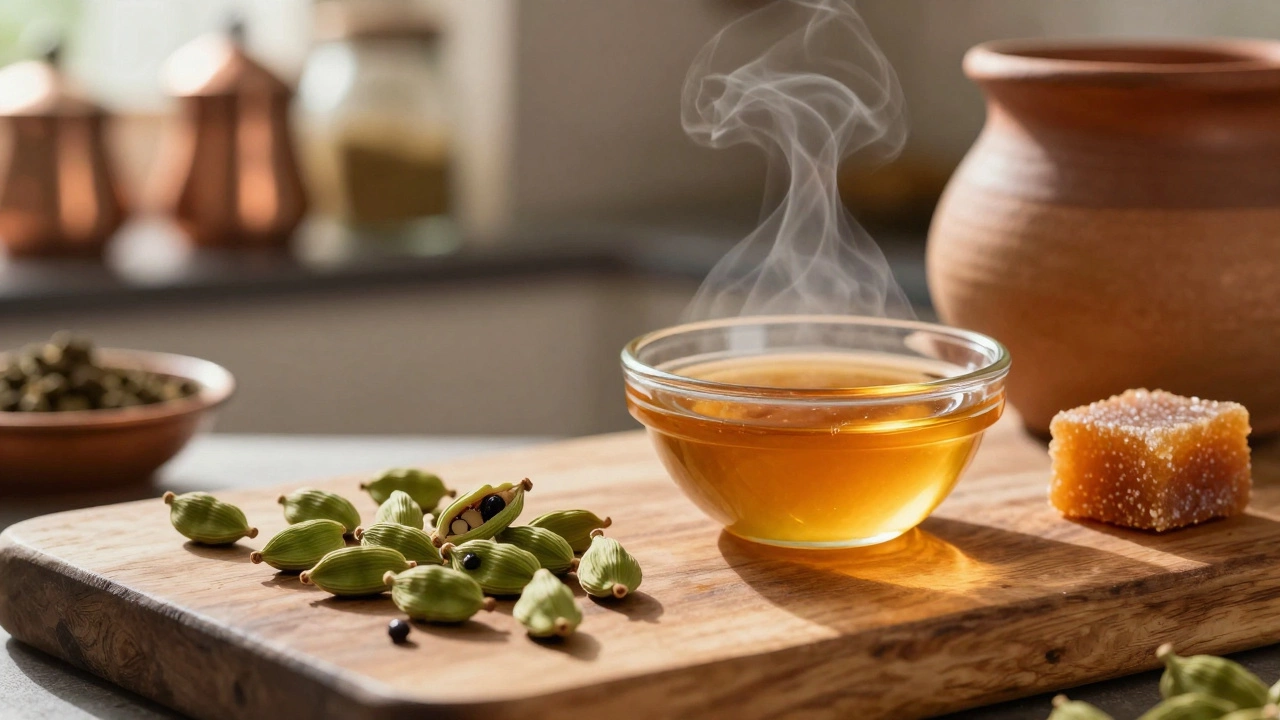
If there is one spice that answers the question "what is the sweet spice in Indian food?", it is undoubtedly Cardamom. Known locally as elaichi, this small green pod is the backbone of Indian desserts and beverages. Specifically, we are talking about Green Cardamom, which has a high concentration of cineole and terpenes, giving it a fresh, eucalyptus-like sweetness with hints of mint and lemon.
You will find cardamom in almost every major Indian sweet. In Gulab Jamun, crushed cardamom seeds are mixed into the dough to provide an aromatic counterpoint to the heavy rose syrup. In Kheer (rice pudding), whole pods are simmered in milk, releasing their essential oils slowly. The spice works because its volatile compounds bind well with fats and sugars, enhancing the perception of sweetness without adding more calories.
- In Desserts: Used in powdered form for dusting over puddings or ground into doughs.
- In Beverages: Essential for Masala Chai, where it balances the bitterness of black tea.
- In Savory Dishes: Added to rice dishes like Biryani to lift the heaviness of meat and spices.
A pro tip: always crush the pods just before use. Pre-ground cardamom powder loses its potency within weeks because the aromatic oils evaporate quickly. For the best flavor, crack the green shells, scrape out the tiny black seeds, and crush them with the side of your knife.
Saffron: The Liquid Gold of Flavor
While cardamom provides the everyday sweet aroma, Saffron brings luxury and color. Known as Kesar in Hindi, saffron consists of the dried stigmas of the Crocus sativus flower. It is the most expensive spice in the world by weight, often costing more than gold, due to the labor-intensive harvesting process requiring thousands of flowers to produce just one pound.
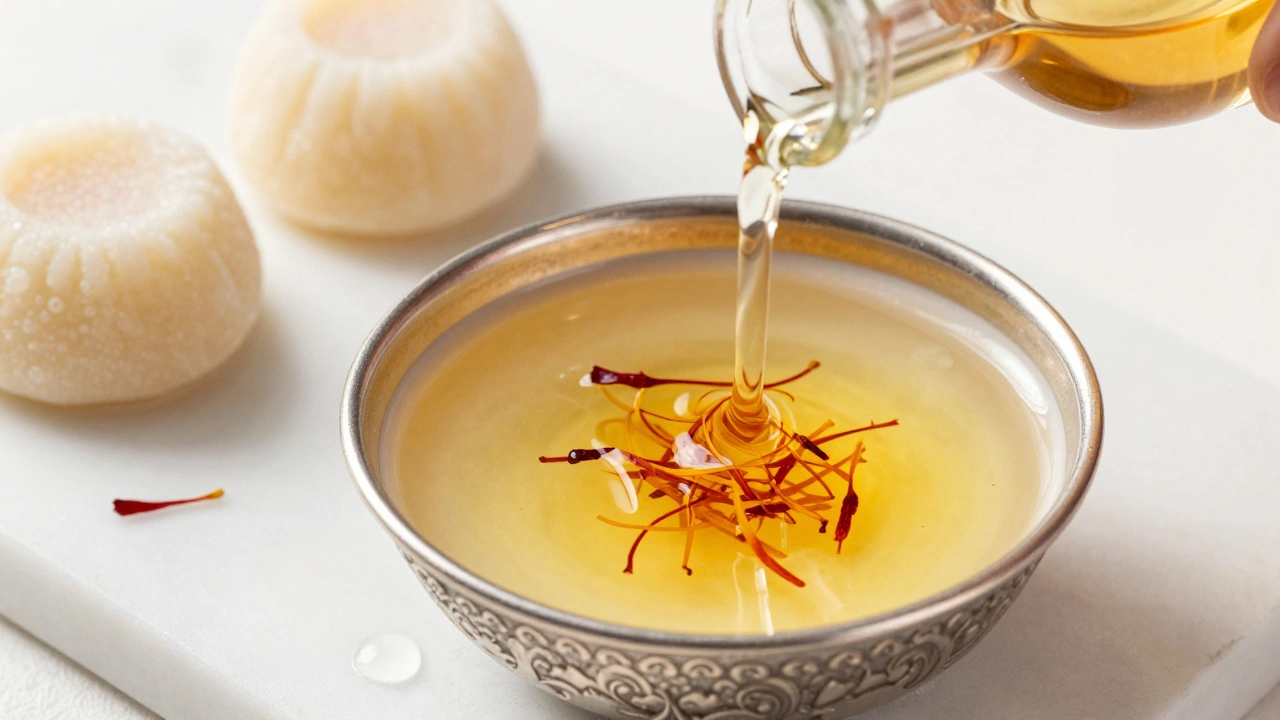
Saffron adds a distinct hay-like, honeyed sweetness and a vibrant golden-yellow hue. It is not used for heat but for elegance. You will see it prominently featured in festive sweets like Zarda (sweet vermicelli) and Shahi Tukda (royal bread pudding). The key to using saffron correctly is patience. Never throw dry threads directly into a dish. Instead, soak them in warm milk or water for at least 15 minutes. This releases the crocin pigment and the picrocrocin flavor compound, ensuring even distribution throughout your recipe.
| Spice | Primary Flavor Profile | Common Uses | Form Best Used |
|---|---|---|---|
| Cardamom | Floral, Minty, Citrusy | Chai, Gulab Jamun, Biryani | Whole pods or freshly ground seeds |
| Saffron | Honeyed, Hay-like, Earthy | Kheer, Zarda, Rice Puddings | Soaked threads |
| Rose Water | Floral, Perfumed | Gulab Jamun syrup, Rasmalai | Liquid essence |
| Nutmeg | Warm, Nutty, Woody | Payasam, Curries, Milk-based dishes | Grated fresh or powder |
Rose Water and Kewra: The Floral Notes
When discussing sweet spices, we must include non-spice aromatics that function identically in Indian cooking. Rose Water and Kewra Water (extract from the pandan flower) are liquid essences that define the taste of North Indian sweets. Rose water offers a classic, perfumed sweetness that pairs perfectly with dairy. It is the primary flavoring agent in the syrup of Gulab Jamun and is drizzled over Rasmalai (cheese balls in sweetened milk).
Kewra water is more subtle and grassier, often described as having a coconut-pandan scent. It is frequently used in South Indian sweets and some Mughlai dishes to add a delicate background note that doesn't overpower the main ingredients. A common mistake beginners make is using too much. These essences are potent. Start with a few drops; you can always add more, but you cannot remove the strong perfume once it dominates the dish.
Nutmeg and Mace: The Warm Undertones
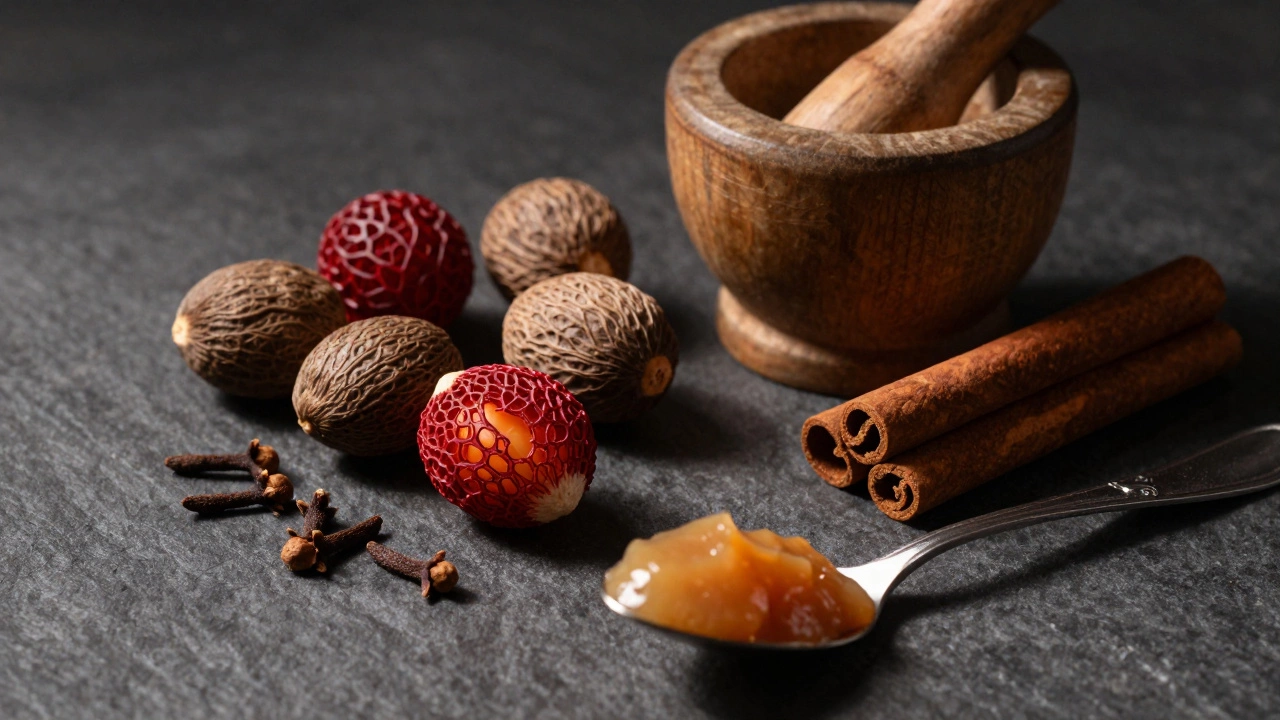
For a deeper, warmer sweetness, Indian cooks turn to Nutmeg (Javitri) and its relative, Mace (Jaitun). Nutmeg is the hard seed inside the fruit, while mace is the lacy red covering around the seed. Both belong to the same tree and share similar chemical profiles, rich in myristicin and elemicin.
Nutmeg is rarely used in large quantities. A pinch of freshly grated nutmeg added to milk-based sweets like Payasam or Modak adds a sophisticated, woody warmth that grounds the lighter notes of cardamom and rose. It bridges the gap between sweet and savory, which is why it also appears in creamy vegetable curries. Always grate nutmeg fresh from the whole nut. Pre-ground nutmeg tastes dusty and lacks the vibrant oil content needed to infuse milk or dough effectively.
The Role of Ghee and Jaggery
While not spices themselves, Ghee (clarified butter) and Jaggery (unrefined cane sugar) act as carriers for these sweet spices. Ghee has a high smoke point and a nutty aroma that enhances the volatility of spice oils. When you temper cardamom or cloves in hot ghee, the fat extracts the flavors, creating a fragrant base for sweets and savory dishes alike.
Jaggery, often made from sugarcane or palm sap, has a molasses-like depth that complements earthy spices like cinnamon and clove better than white sugar does. White sugar provides pure sweetness, but jaggery adds mineral notes that resonate with the complexity of whole spices. This combination is central to traditional remedies and winter sweets, believed to boost immunity and digestion.
How to Store Sweet Spices for Maximum Freshness
To get the best results from these ingredients, storage matters. Light, heat, and air are the enemies of aromatic oils. Keep whole cardamom pods and saffron threads in airtight glass jars away from direct sunlight. Do not store them near the stove where heat fluctuates. Whole spices retain their flavor for up to a year, while ground versions degrade within three to six months. For rose and kewra water, refrigeration extends their shelf life significantly, preventing fermentation and off-flavors.
Is cardamom considered a sweet spice?
Yes, green cardamom is the primary sweet spice in Indian cuisine. It has a floral, slightly minty aroma that is used extensively in desserts, teas, and savory rice dishes to add fragrance rather than heat.
What spice makes Indian food smell good?
The distinctive aroma usually comes from a combination of cardamom, cloves, cinnamon, and cumin. In sweets, cardamom and saffron are the dominant scents, while in savory dishes, toasted cumin and coriander seeds play a larger role.
Can I substitute cardamom with vanilla?
While both are sweet and aromatic, they are not direct substitutes. Vanilla is creamier and less complex. Cardamom has citrus and eucalyptus notes that vanilla lacks. If you must substitute, use half the amount of vanilla extract, but the flavor profile will change significantly.
Why is saffron so expensive?
Saffron is derived from the stigmas of the Crocus sativus flower. Each flower produces only three stigmas, which must be harvested by hand. It takes approximately 75,000 flowers to produce one kilogram of saffron, making it extremely labor-intensive.
What is the difference between green and black cardamom?
Green cardamom is sweet, floral, and used in desserts and teas. Black cardamom is larger, smokier, and more camphoraceous. It is primarily used in savory dishes like curries and biryanis to add depth, not sweetness.